Thursday,8 January 2026
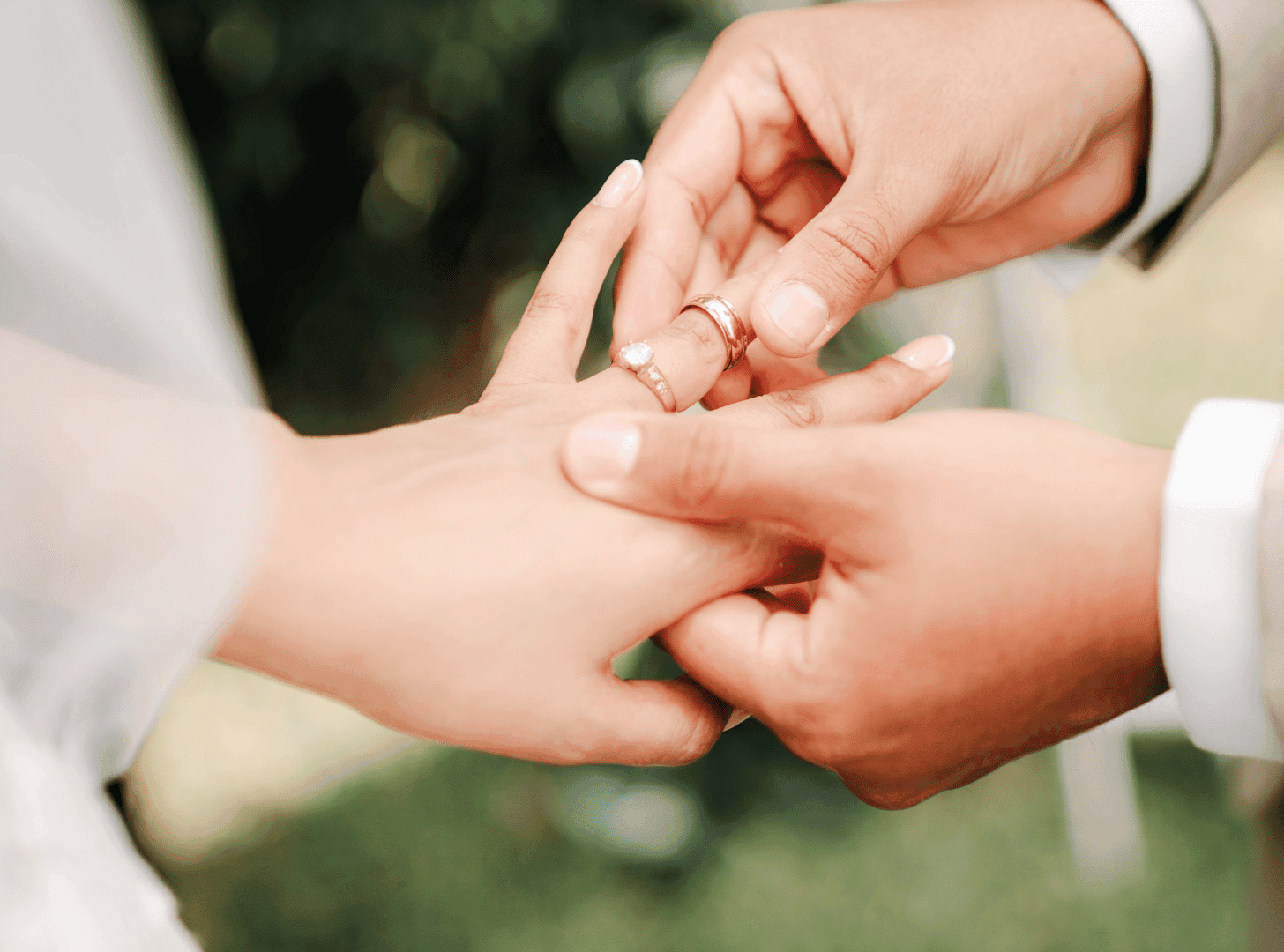
The landscape of bridal jewellery is transforming. As we step into 2026, we're witnessing a decisive shift away from prescribed traditions toward deeply personal expression. Engagement rings no longer follow a predictable formula, wedding bands are becoming curated collections, and the old rules about what's "proper" are being rewritten by couples who want their jewellery to tell their unique story.
The numbers reveal the scale of change. Lab-grown diamonds now account for 45% of the US engagement ring market, making larger stones accessible at entirely new price points. The average engagement ring centre stone has grown from 1.31 carats to 2.45 carats in just four years. Sustainability and ethical sourcing have moved from niche concerns to baseline expectations, with two-thirds of Gen Z purchasers now prioritising transparency in their jewellery choices.
These aren't superficial style shifts. They represent fundamental changes in how jewellery is designed, made, and valued. Technology has democratised custom design. Manufacturing capabilities have expanded to execute complex, sculptural pieces that would have been impossibly expensive a decade ago. Supply chains have become transparent in ways the industry resisted for generations.
This guide explores five major trend categories defining 2026: bold and substantial designs, the colour revolution in gemstones, the art of ring stacking, vintage-inspired modern pieces, and the crucial conversation around sustainable choices. Each section examines not just what's trending, but why it matters and what it means for how jewellery is created.
Whether you're planning a wedding, designing a collection, choosing pieces for retail, or simply curious about where bridal jewellery is heading, this comprehensive guide offers insights from the manufacturing perspective of Birmingham's Jewellery Quarter, where Weston Beamor has been creating jewellery for almost 8 decades!
The Big Picture: What's Driving 2026
Before exploring specific trends, it's worth understanding the larger forces reshaping bridal jewellery. These aren't just aesthetic preferences; they reflect changes in values, technology, and how people think about significant purchases.
The Technology Revolution
Manufacturing capabilities have transformed dramatically in recent years. Computer-aided design (CAD) allows jewellers to visualise complex, sculptural pieces before any metal is cast. 3D printing enables rapid prototyping of intricate designs. These technological advances mean that custom, artistic pieces are no longer limited to ultra-premium price points. They're achievable across a much wider spectrum, democratizing creativity and making truly unique jewellery accessible in ways it simply wasn't a decade ago.
The Ethics Imperative
Modern couples, particularly Millennials and Gen Z, care deeply about where their jewellery comes from. Questions that were once afterthoughts are now primary decision factors: Were workers paid fairly? What's the environmental impact? Can you trace this diamond's journey from mine (or lab) to finger?
This isn't virtue signalling. It's a genuine generational shift in values that's forcing the entire industry to operate more transparently. Certifications like RJC (Responsible Jewellery Council) accreditation have moved from optional credentials to essential requirements. Supply chain transparency, once nearly impossible to verify, is becoming standard practice.
The Market Evolution
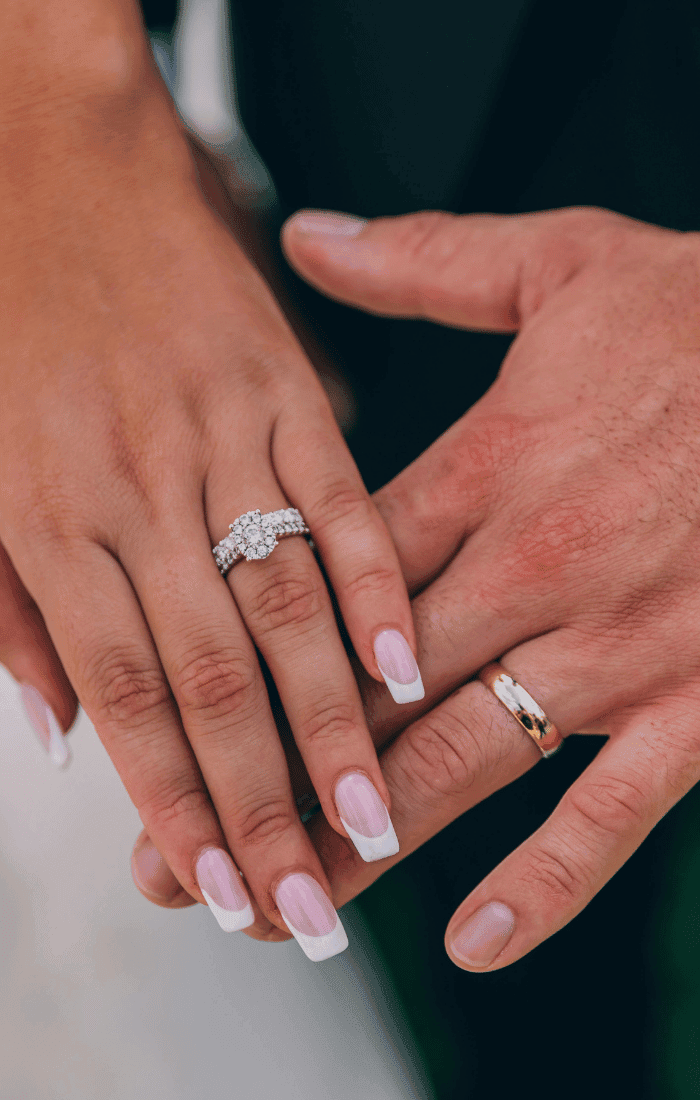
Perhaps most significantly, the diamond market is evolving into two distinct categories: lab-grown diamonds, which provide a more affordable option of accessible luxury, and natural diamonds, now seen as rare, investment-grade symbols of enduring value with positive social value, emphasising their billion-year formation and finite supply.
Both have legitimate places in the market. The choice between them has become less about quality differences (they're chemically and optically identical) and more about personal values: Do you prioritise affordability and accessibility? Investment value and rarity? Environmental considerations? There's no universally "correct" answer, only what aligns with individual priorities.
The Personalisation Priority
Finally, there's been a fundamental shift from trend-following to story-telling. Couples increasingly view engagement and wedding jewellery as narrative objects: pieces that should reflect their relationship, values, and aesthetic sensibilities rather than conforming to tradition for tradition's sake.
This explains the enthusiasm for bespoke design, the popularity of non-traditional stones, and the move toward building ring collections over time rather than buying matching sets. It's jewellery as personal expression, not status symbol performance.
These forces combine to create an environment where creativity flourishes, ethics matter, and individuality trumps convention. Now let's explore how this plays out in 2026's defining trends.
Trend 1: Bold & Substantial Returns
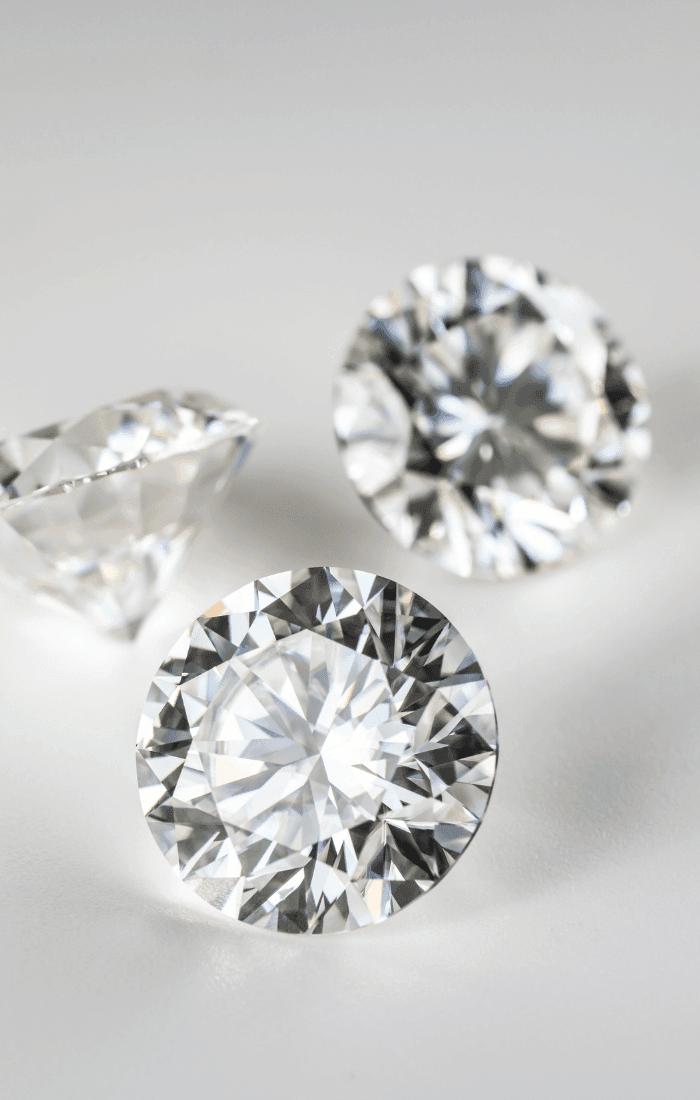
After years of delicate, minimal jewellery dominating, 2026 marks a decisive return to pieces with presence and weight. Wide bands, generous gold, larger centre stones, and maximalist bridal pieces are everywhere, reflecting a shift toward jewellery as a confident investment rather than an understated accessory.
Chunky Gold & Substantial Bands
Wide bands are replacing the delicate 2mm bands that defined the past decade. There's real heft to these pieces: substantial gold with presence on the hand. Yellow gold, in particular, is experiencing a major renaissance after years of white metal dominance, bringing warmth and classic appeal back to bridal jewellery.
The appeal is partly aesthetic. These pieces make statements without shouting. They photograph beautifully, which matters in an era of social sharing. They feel permanent and serious, befitting jewellery meant to last a lifetime.
But there's practicality too. Thicker bands are simply more durable for daily wear. They're less likely to bend, warp, or show damage over decades of constant use. For jewellery that symbolises lifelong commitment, this durability carries meaning beyond mere function.
Larger Centre Stones
Where one carat was once considered ideal for an engagement ring, two carats and above is becoming the new standard. Industry data shows the average lab-grown engagement ring centre stone increased from 1.31 carats in 2020 to 2.45 carats in 2024: an 87% increase in just four years.
This dramatic shift is largely enabled by lab-grown diamond accessibility in both price and availability. But it's not just about affordability. There's genuine enthusiasm for the visual impact of larger stones, the way they catch light, the confidence they project.
Size isn't everything, of course. Quality still matters enormously. A beautifully cut 1.5-carat stone will always outshine a poorly proportioned 3-carat diamond. But the expectation around appropriate size has undeniably shifted upward.
Elongated Cuts Dominating
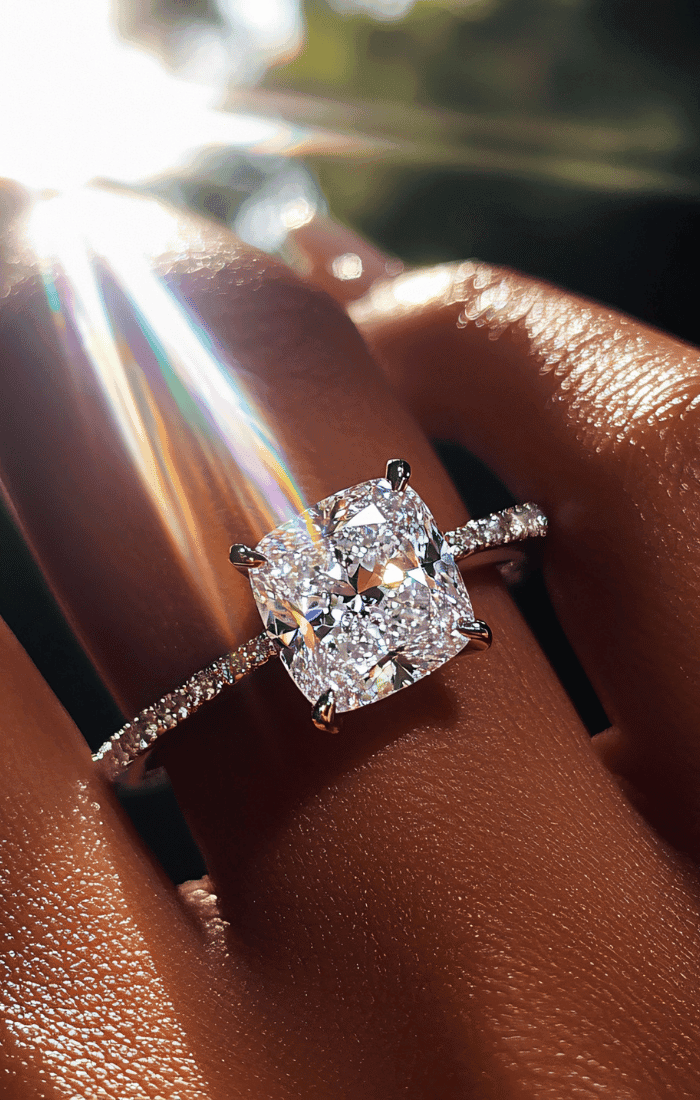
When it comes to diamond shapes, elongated cuts are leading - marquise, oval, cushion and the increasingly popular "moval" (a hybrid shape combining both). These cuts create an elegant lengthening effect on the finger, making both the stone and the hand appear more graceful. They also tend to look larger than round stones of the same carat weight, maximising visual impact.
Perhaps most appealingly, no two elongated diamonds look exactly alike. Unlike standardised round brilliants, elongated cuts vary significantly in length-to-width ratios, giving each stone a distinctive character. This uniqueness appeals to couples seeking pieces that don't look like everyone else's.
The marquise cut deserves special mention. Once considered dated (remember Carrie Bradshaw's less-than-enthusiastic reaction to her marquise proposal ring?), it's now one of the most sought-after shapes. When set east-west (rotated 90 degrees), it creates a particularly modern, fashion-forward look.
Maximalist Bridal Jewellery
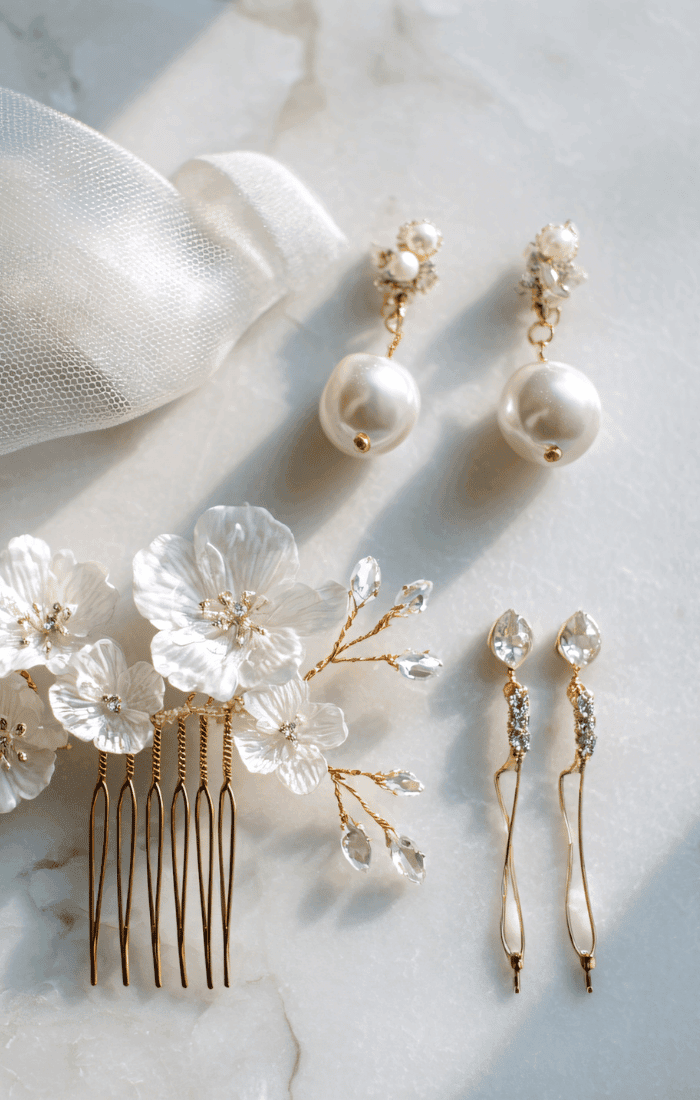
Beyond rings, brides are embracing bolder, more architectural jewellery pieces. Statement collar necklaces replace delicate pendants. Geometric, sculptural earrings are preferred over simple studs. Cuffs and bold bangles are chosen instead of traditional, delicate bracelets.
The philosophy is quality over quantity, impact over coverage. Rather than wearing complete matching sets (necklace, earrings, bracelet, ring), modern brides choose one or two statement pieces that genuinely excite them. A single stunning piece of head jewellery. Dramatic shoulder-grazing earrings. A bold collar that transforms a simple gown.
This approach is lighter and more comfortable than traditional full sets. It photographs more interestingly. And it allows personality to shine through: one extraordinary piece chosen with intention says more about personal style than an entire jewellery wardrobe worn simultaneously.
Manufacturing Perspective: The Technical Reality of Substantial Designs
Creating substantial jewellery requires different approaches throughout the manufacturing process. Wider bands need proper interior shaping to sit comfortably despite increased presence; flat interiors on wide bands cause pinching and discomfort. Larger stones require experienced setting, as pressure points and tension differ significantly from smaller diamonds.
At Weston Beamor, our integrated manufacturing process proves particularly advantageous for these designs. Our CAD team works directly alongside our setters and finishers, so we optimise for both beauty and wearability from initial design. We understand that a 6mm band needs different interior shaping than a 2mm band, that a 3-carat stone requires proportionally sized claws for both security and visual balance.
Our 78 years of manufacturing experience in Birmingham's Jewellery Quarter means we understand the metallurgy of substantial castings, the finishing requirements for larger surface areas, and the quality control necessary to ensure these impressive pieces are also comfortable for daily wear.
Trend 2: The Colour Revolution
White diamonds are losing their monopoly on bridal jewellery. 2026 is awash with colour: vibrant sapphires, rich emeralds, warm champagne diamonds, and baroque pearls in every shade imaginable. This isn't a niche trend for the particularly adventurous. It's mainstream, driven by people who want jewellery that feels personal, meaningful, and distinctly theirs.
Sapphires Leading the Way
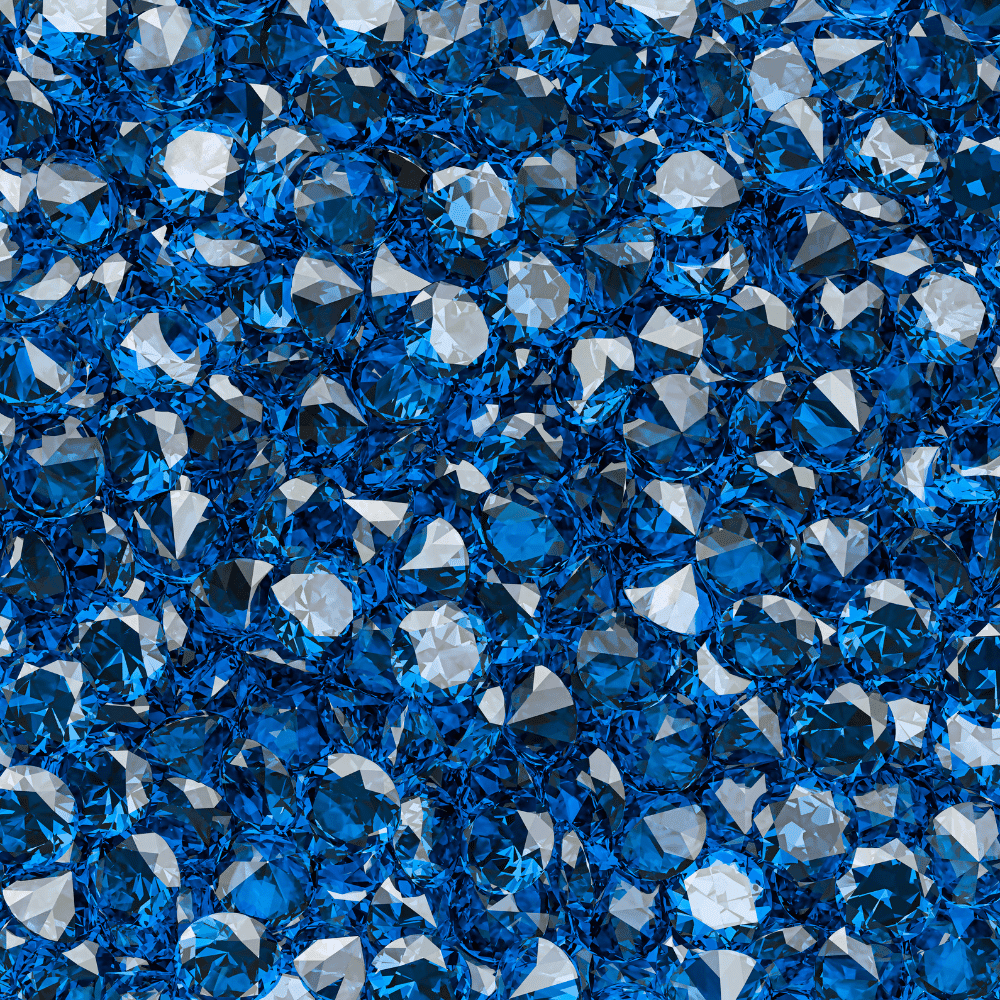
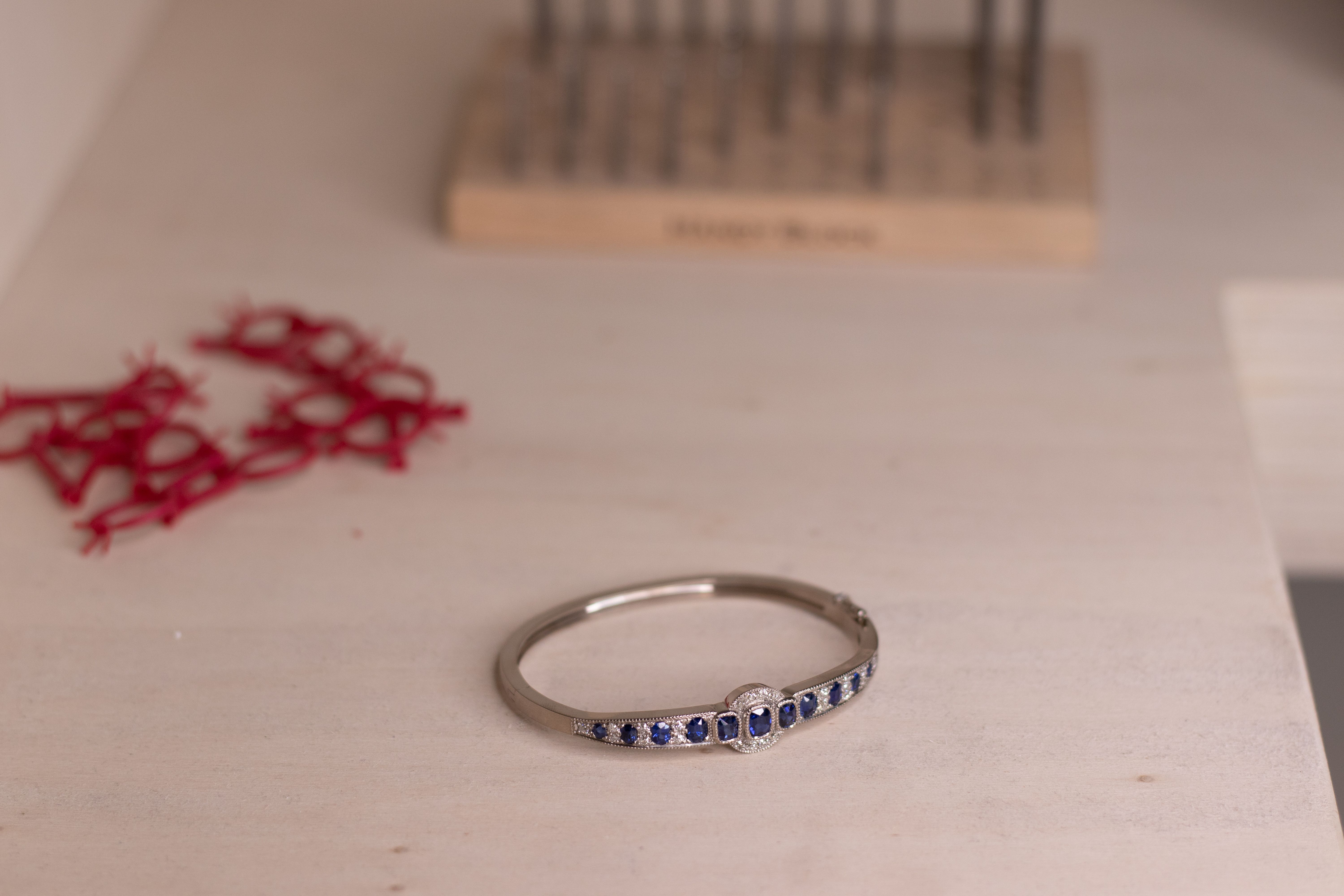
If there's one stone challenging the diamond's bridal dominance, it's the sapphire. Available in stunning variety (classic royal blue, teal, peacock, pink, yellow, colour-changing), sapphires offer versatility, impressive durability (9 on the Mohs hardness scale, second only to diamonds), and rich symbolism.
Blue sapphires have long represented loyalty, truth, and faithfulness, making them particularly resonant for engagement rings. But it's the alternative colours gaining the most momentum. Teal sapphires, with their sophisticated blue-green hue, appeal to those seeking something unique but still refined. For those seeking the pinnacle of tradition, Sri Lankan (Ceylon) sapphires offer a bright ‘cornflower’ blue with a royal heritage, while Madagascar has emerged as a vibrant alternative, providing a rainbow of pastel pinks and purples. Meanwhile, African sources like Ethiopia and Nigeria are gaining favour for their moody, deep-sea tones, offering a sophisticated look for the modern collector.
From a practical standpoint, sapphires are excellent choices for engagement rings. Their hardness means they withstand daily wear without special care requirements. They're also generally more affordable than diamonds of comparable size and quality, allowing budgets to go further or be allocated elsewhere.
Emeralds, Rubies & Classic Colored Stones
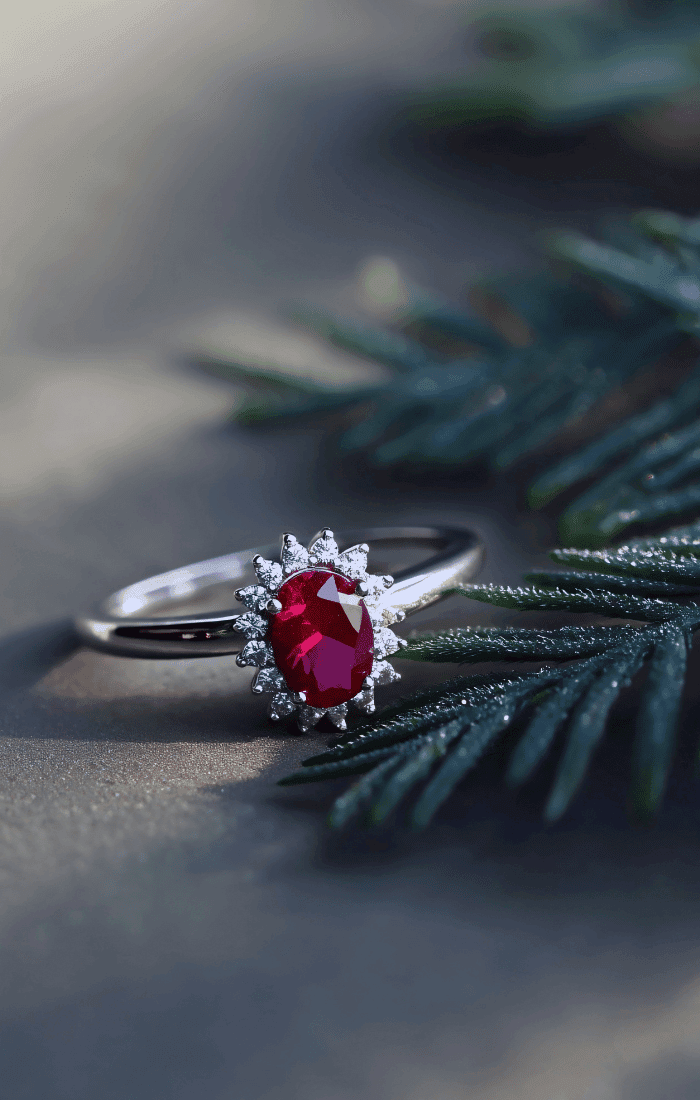
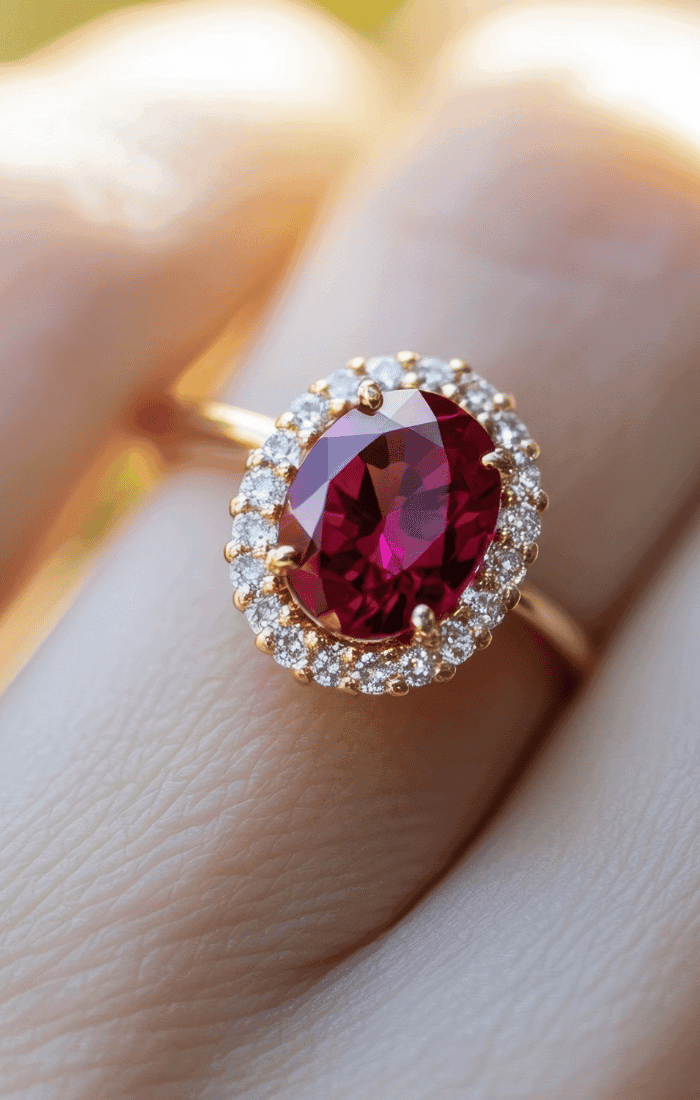
Emeralds and rubies, the other members of the "precious stone" trinity, are also seeing renewed interest. Deep green emeralds symbolise growth, renewal, and harmony: appealing sentiments for couples beginning marriage. Rubies, with their passionate red hue, represent love and vitality.
Both require more careful consideration than sapphires or diamonds, especially since emeralds (7.5-8 on Mohs scale) are more prone to scratching and often contain natural inclusions that can make them vulnerable to impact.
The Warm Diamond Movement
Not all colour revolutions involve coloured gemstones. There's also significant interest in "off-white" or warm-toned diamonds: stones with gentle brown, yellow, or champagne hues that were previously considered less desirable.
This shift challenges decades of diamond marketing that positioned colourless (D-F range) as optimal. Today's couples are appreciating the warmth and character of diamonds in the G-M range, particularly when paired with yellow or rose gold settings that complement rather than contrast with the stone's natural tone.
Champagne diamonds, especially, have developed dedicated followings. Their soft, warm brown tones create an earthy, organic aesthetic that pairs beautifully with vintage-inspired settings and nature-themed designs. They're also more affordable than colourless equivalents, offering better value without sacrificing beauty.
Baroque Pearls: Organic Elegance
Pearls are experiencing a renaissance, but not the traditional, perfectly round, uniformly sized pearls of previous generations. Baroque pearls, with their organic, irregular shapes and wide spectrum of colours, are being incorporated into modern, artistic designs.
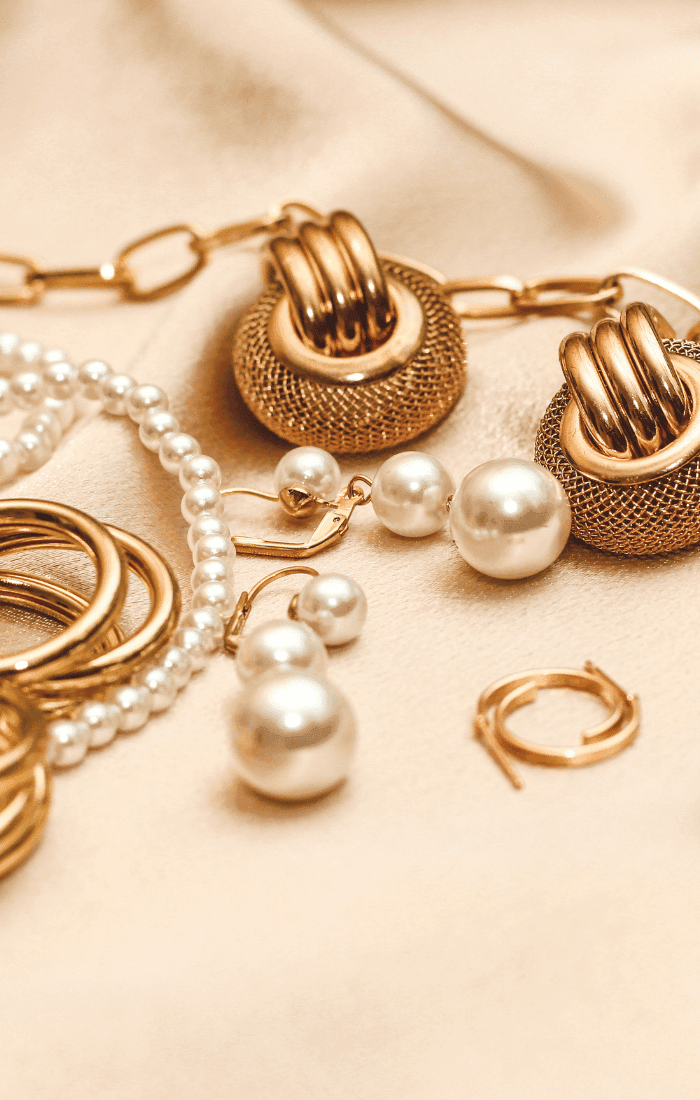
Baroque pearls appear mixed with gold chains, set in sculptural metalwork, paired with gemstones in unexpected combinations. They're showing up in engagement rings, wedding bands, and bridal jewellery pieces, offering texture, lustre, and uniqueness that uniform round pearls can't match.
The appeal is partly aesthetic (baroque pearls feel natural, less formal) and partly ethical. Pearl farming generally has a lower environmental impact than mining, making pearls attractive to sustainability-conscious couples.
Mixing Colours in Stacks
The colour trend doesn't stop at single pieces. Adventurous wearers are building multi-coloured ring stacks: sapphire bands combined with diamond eternities, birthstone bands representing meaningful dates or family members. This approach creates deeply personal jewellery collections that tell stories and mark milestones.
Alternative Stones: Morganite, Aquamarine & Beyond
The colour revolution extends to less traditional choices. Morganite, with its soft pink hue, appeals to romantic aesthetics. Aquamarine offers pale blue serenity. Even opals, once considered too delicate for engagement rings (5.5-6 Mohs hardness), are finding admirers willing to accept their fragility in exchange for unmatched play-of-colour.
For many couples, choosing stones based on personal meaning or symbolic resonance matters more than following convention. This shift from tradition to intention characterises much of what's happening in 2026.
Each stone carries a symbolic meaning:
Sapphires
Truth, loyalty, wisdom
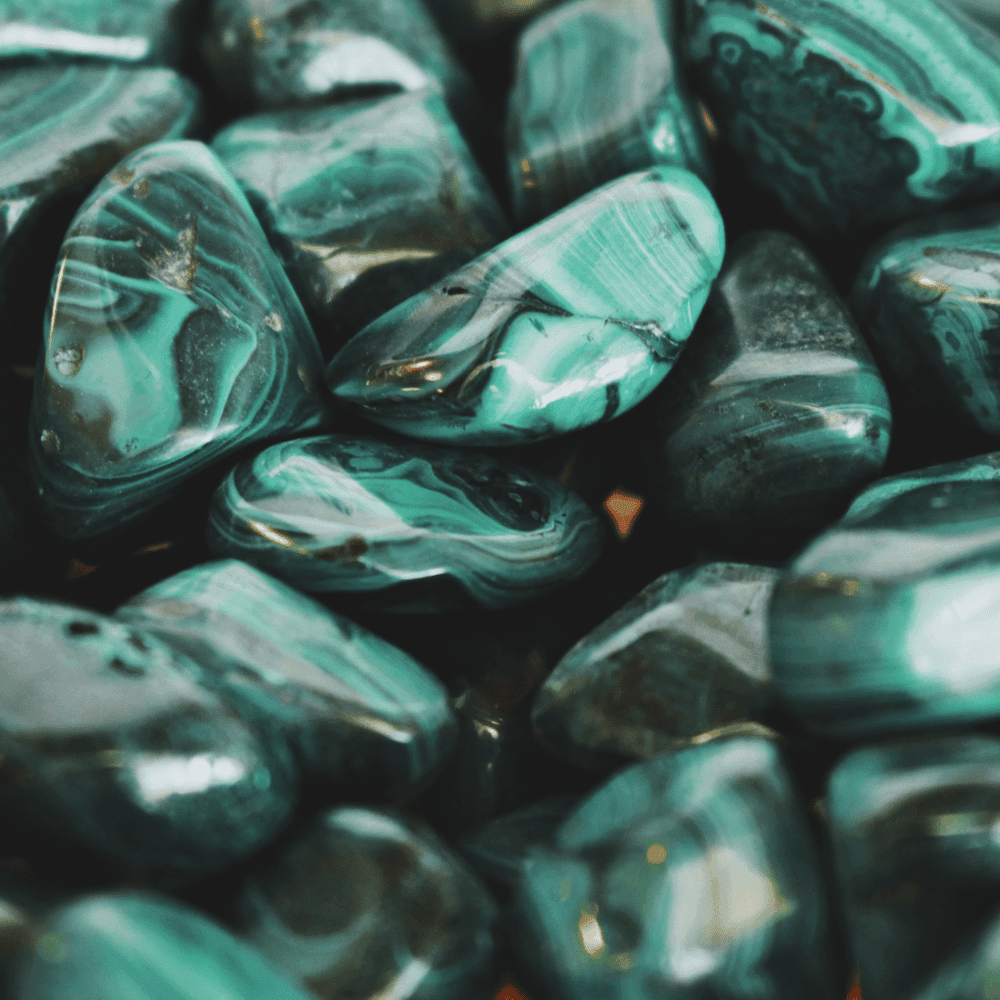
Emeralds
Growth, renewal, harmony
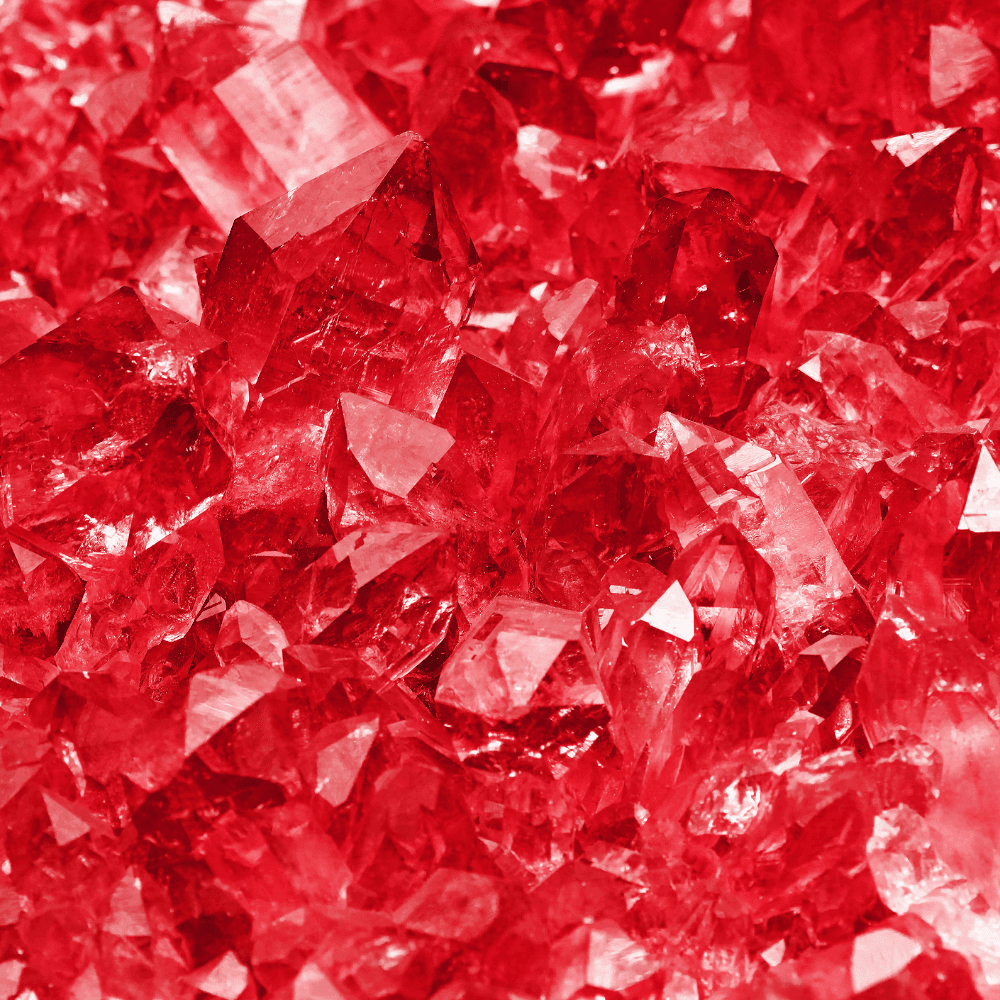
Rubies
Passion, vitality, courage
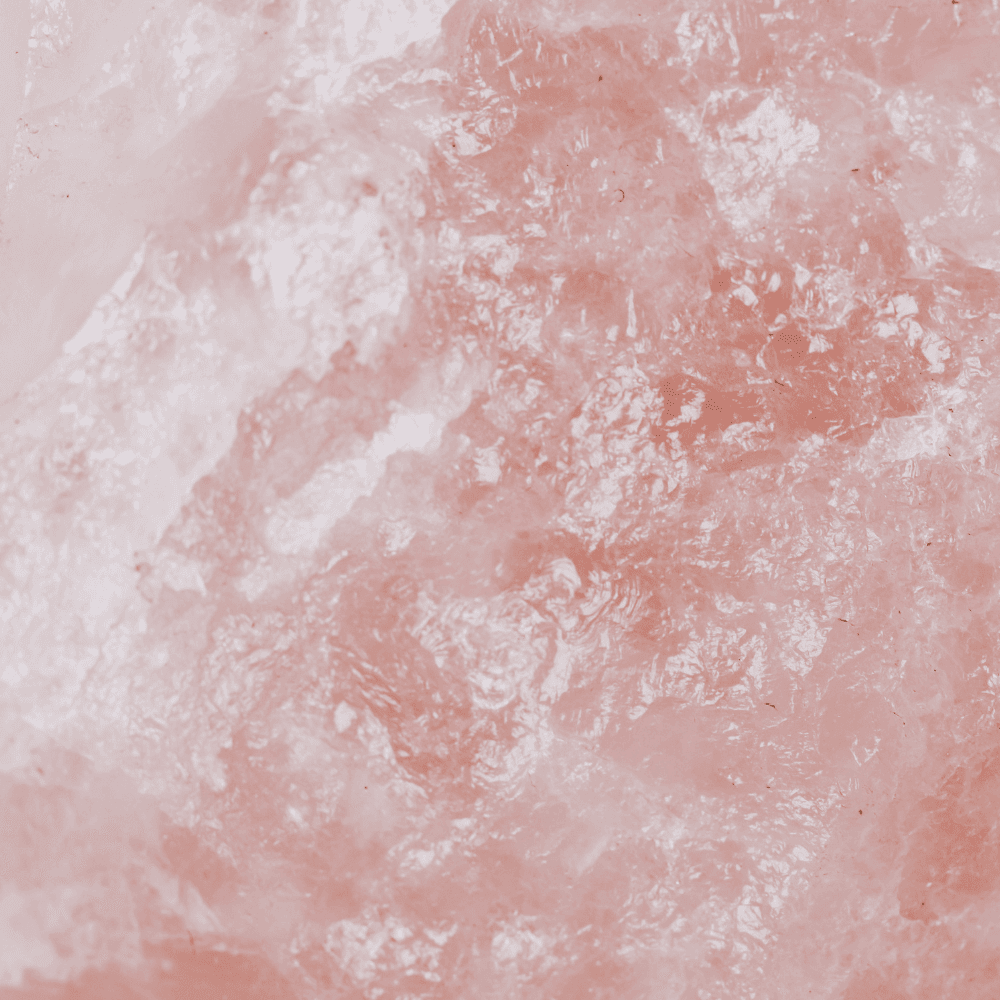
Morganite
Divine love, compassion
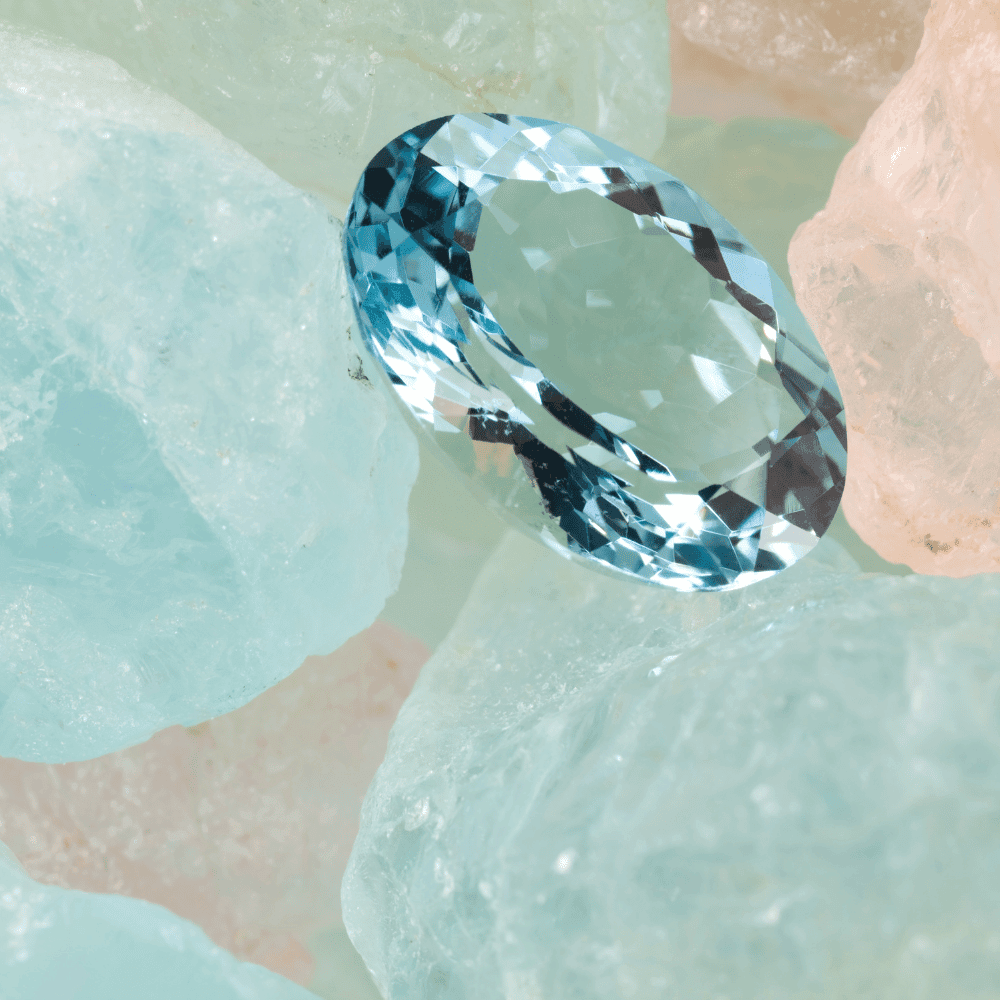
Aquamarine
Clarity, calm, courage
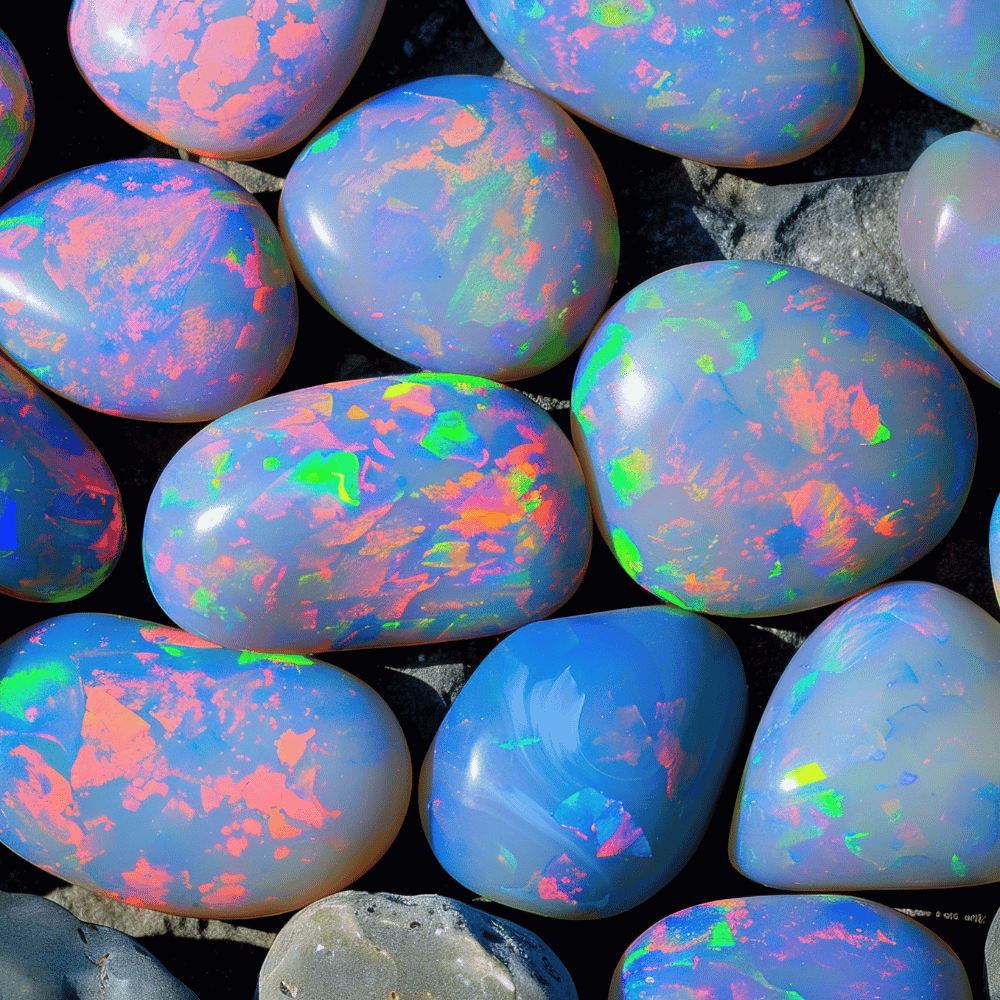
Opals
Creativity, passion, spontaneity
Manufacturing Perspective: The Complexity of Coloured Stones
Coloured gemstones require specialised knowledge that goes far beyond diamond setting. Each stone type has different hardness, different vulnerabilities, and different optimal setting techniques. Sapphires can withstand significant pressure during setting; emeralds require extremely careful handling to avoid fracturing along their natural inclusions. Softer stones like morganite or opal need protective settings (bezels rather than claws) and gentle securing techniques.
At Weston Beamor, our setters have decades of experience working with the full spectrum of gemstones. We understand that emeralds are set differently to sapphires, that pressure points vary by stone type, and that quality control must include gemstone-specific inspections. We inspect coloured stones pre-setting for vulnerabilities, select appropriate techniques based on individual stone characteristics, and verify security post-setting with checks specific to each gem type.
This expertise, built over decades in Birmingham's Jewellery Quarter, means we can execute coloured stone designs with confidence, knowing they'll be both beautiful and secure for long-term wear.
Trend 3: Mix, Layer & Stack
If one trend defines 2026 more than any other, it's the art of mixing and layering. The era of buying a matching engagement ring and wedding band set, wearing them together unchanging for decades, is fading. Today's approach is dynamic, personal, and evolving: building jewellery collections over time, mixing metals freely, and creating ring stacks that grow with relationships.
Ring Stacking: Building Collections
Ring stacking (wearing multiple bands on the same finger) has exploded from niche trend to mainstream practice. The appeal is multifaceted: personal expression, opportunities to mark milestones and anniversaries, and frankly, spectacular visual results when done well.
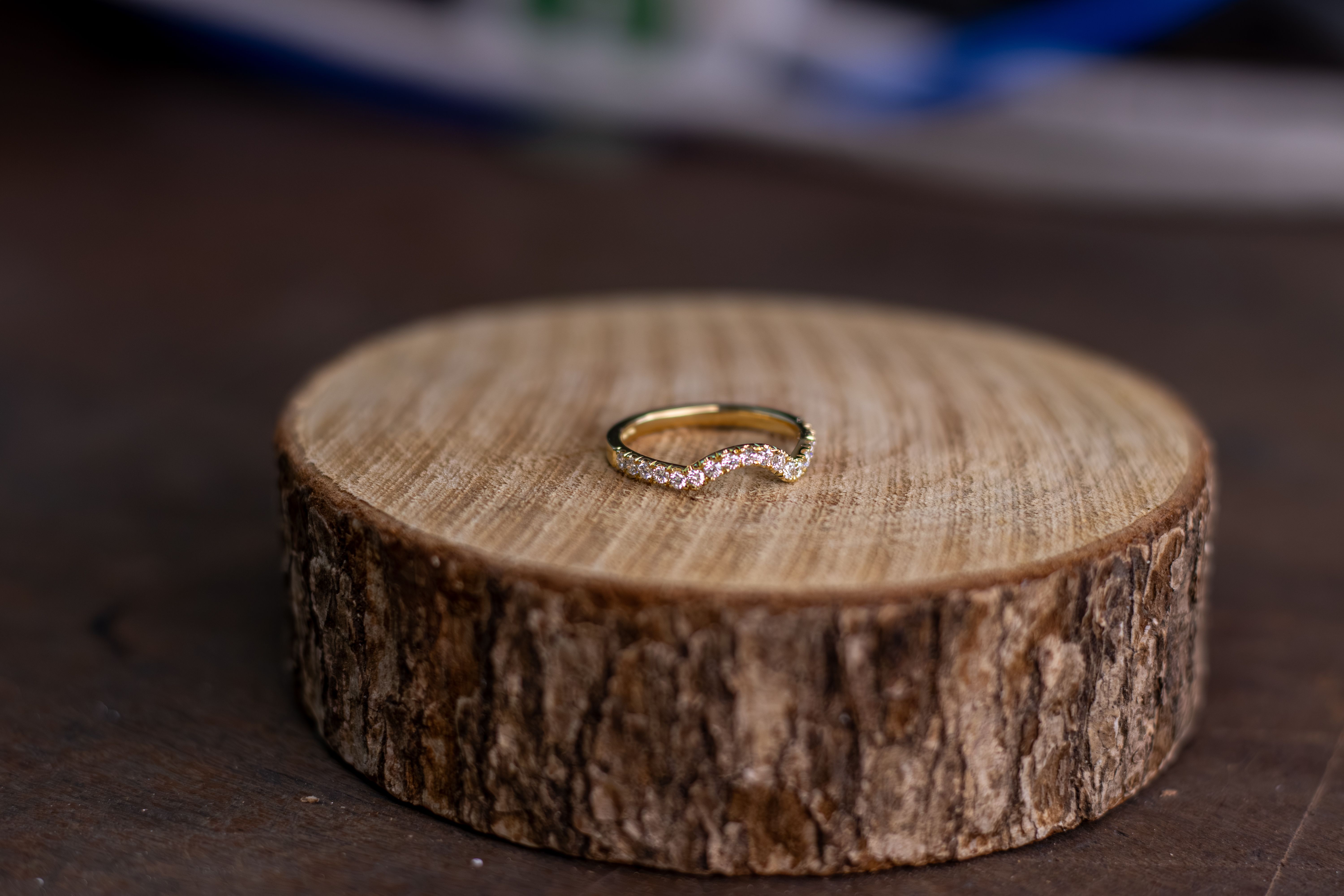
Successful stacking requires planning. Engagement rings designed with stacking in mind feature lower profiles, allowing bands to sit flush alongside. Curved or contoured wedding bands hug engagement ring shapes without leaving gaps. Chevron-shaped bands create V-silhouettes pointing toward or away from centre stones.
Width variation creates visual rhythm: alternating thinner and wider bands, or building from thin to thick and back. Texture mixing adds interest without requiring gemstones: smooth polished bands paired with hammered or brushed finishes, plain metal combined with milgrain-detailed bands.
The classic stack starts with an engagement ring and adds a wedding band. But increasingly, people are building more elaborate collections:
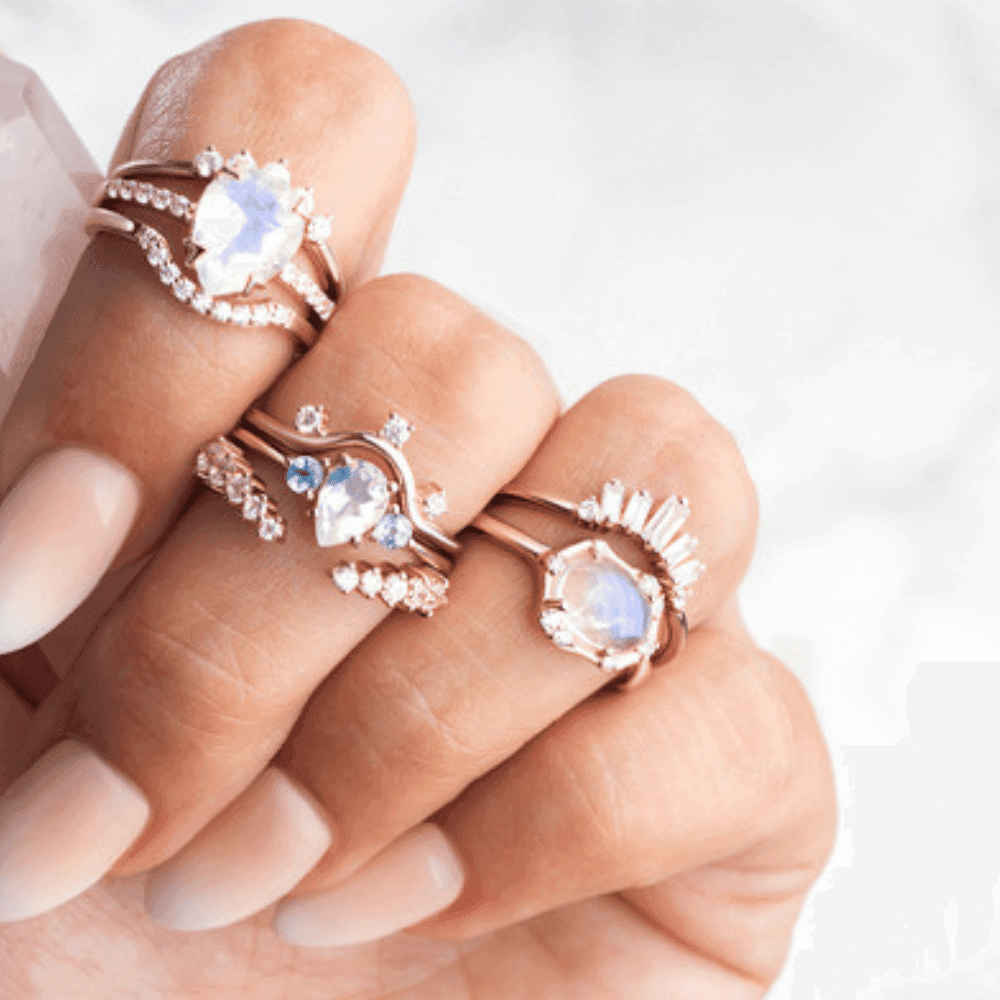
The Anniversary Stack
Adding new bands for each anniversary - eternity rings, gemstone bands, simple gold bands that build visual interest over time.
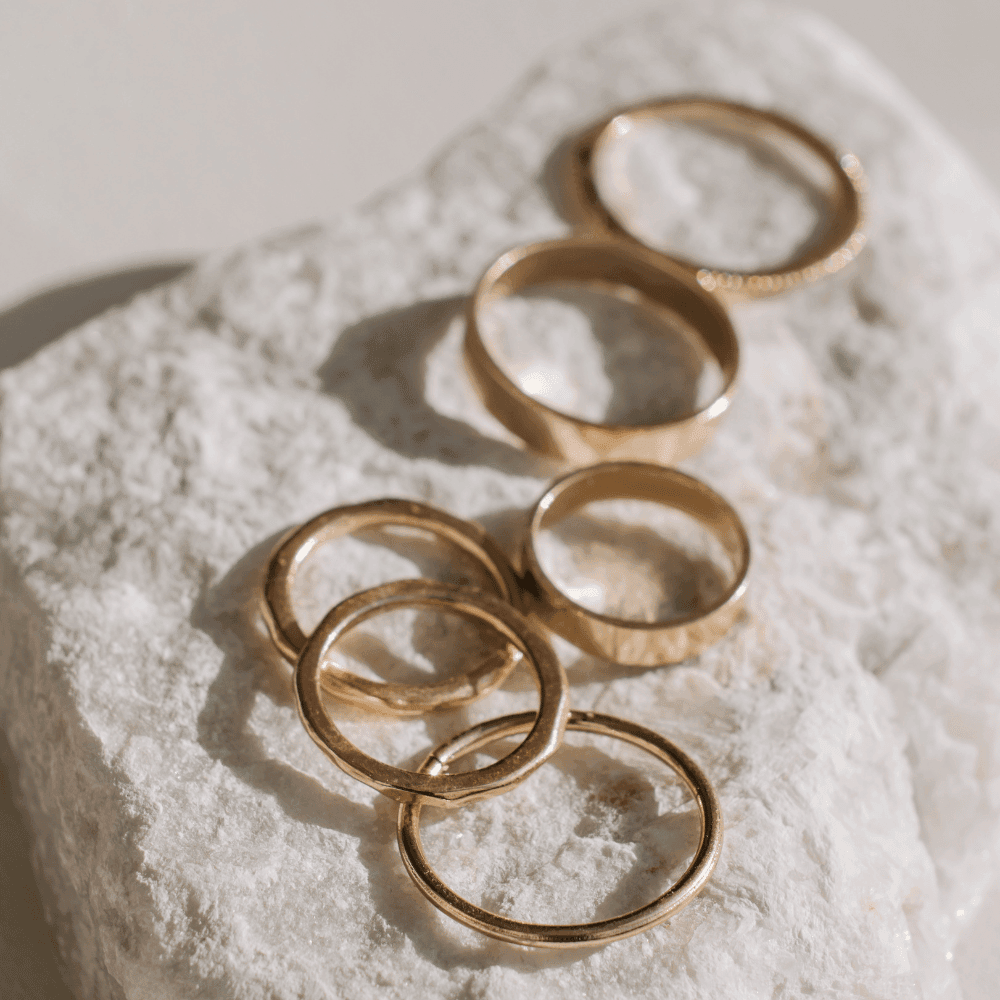
The Milestone Stack
Bands marking significant events-home purchases, children's births, career achievements-creating wearable timelines of life together.
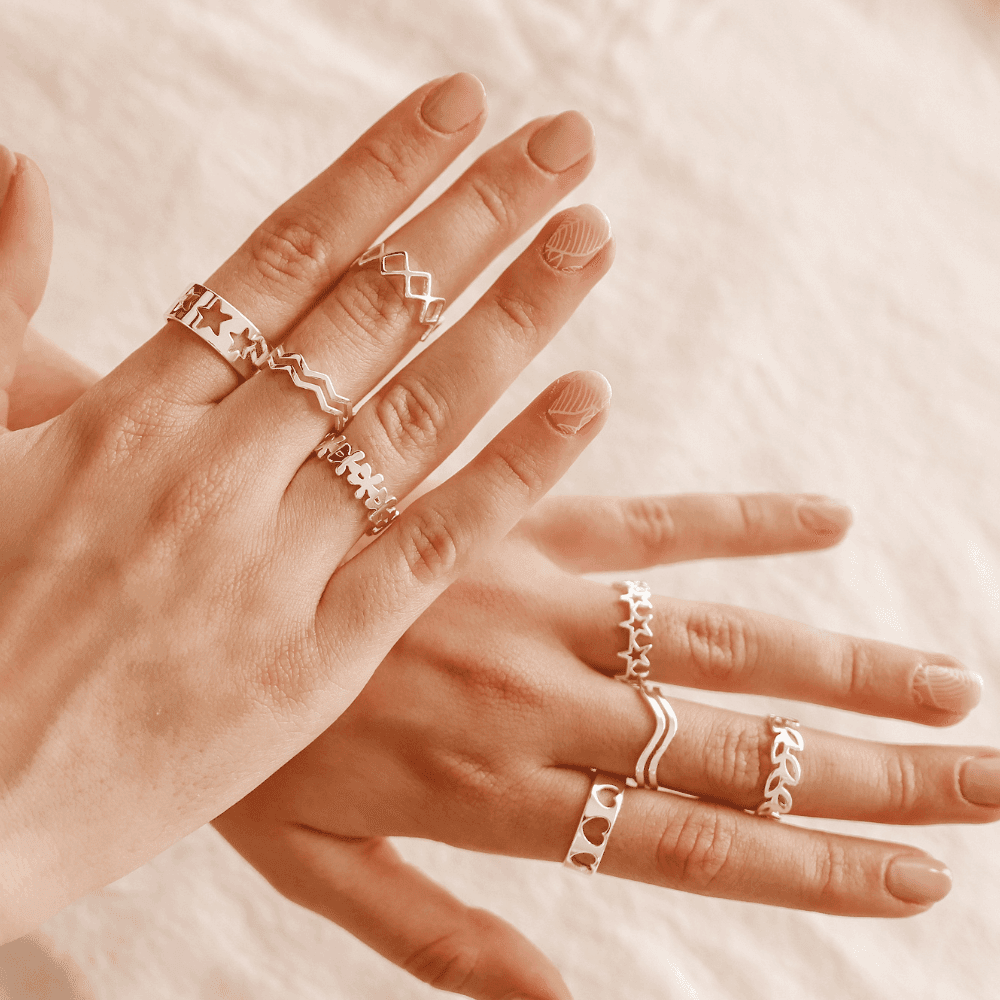
The Aesthetic Stack
Curated combinations chosen purely for visual appeal, mixing textures, widths, finishes to create art on the hand.
The Death of Metal-Matching Rules
For years, conventional wisdom dictated choosing your metal (yellow gold, white gold, rose gold, platinum) and sticking with it religiously. Mixing metals was considered fashion-forward at best, garish at worst. That rule is dead.
Two-tone and even tri-tone jewellery is now celebrated, not questioned. Yellow gold engagement rings paired with platinum wedding bands. Rose gold accents on white gold settings. Mixed metal ring stacks combining all three gold colours. This freedom opens enormous creative possibilities.
Practically, mixed metals mean you're no longer constrained by existing jewellery. Vintage yellow gold pieces from the family can sit alongside modern white gold without concern. Rose gold watches don't clash with platinum wedding bands. Everything coordinates because we've collectively agreed to stop worrying about it.
From a design perspective, mixed metals add dimension and visual interest. Hidden halos in contrasting metals peek out from certain angles. Interior bands in different colours from exterior create subtle surprises. Two-tone settings make centre stones appear different colours depending on the lighting.
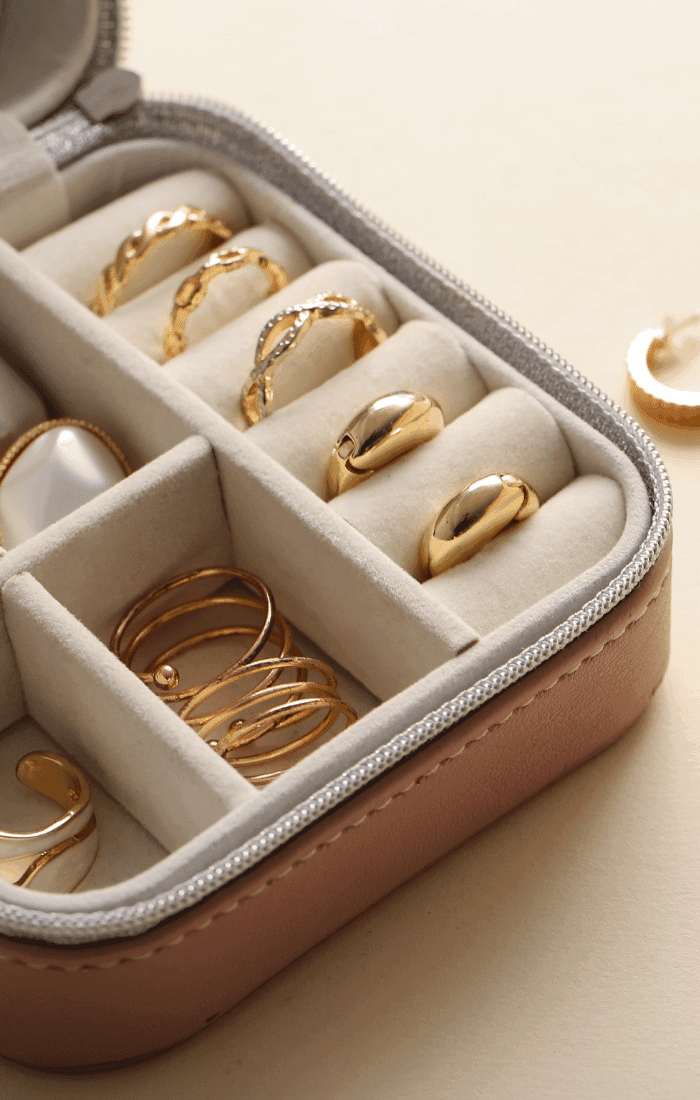
Wedding Band Wardrobes
Taking stacking further, some are building wedding band "wardrobes": owning multiple bands that can be worn in different combinations depending on mood, occasion, or outfit.
A simple gold band for everyday work. An eternity band for special occasions. A textured band for weekends. A bold gemstone band for celebrations. Rather than one band worn unchanging for decades, this treats wedding jewellery as dynamic, allowing personal style to evolve.
This also reflects practical realities. Many remove engagement rings for activities (gardening, exercising, messy cooking) but still want to wear something signalling marital status. Having a simple, low-profile wedding band for these situations makes sense. Meanwhile, having more elaborate bands for times you want maximum sparkle allows flexibility.
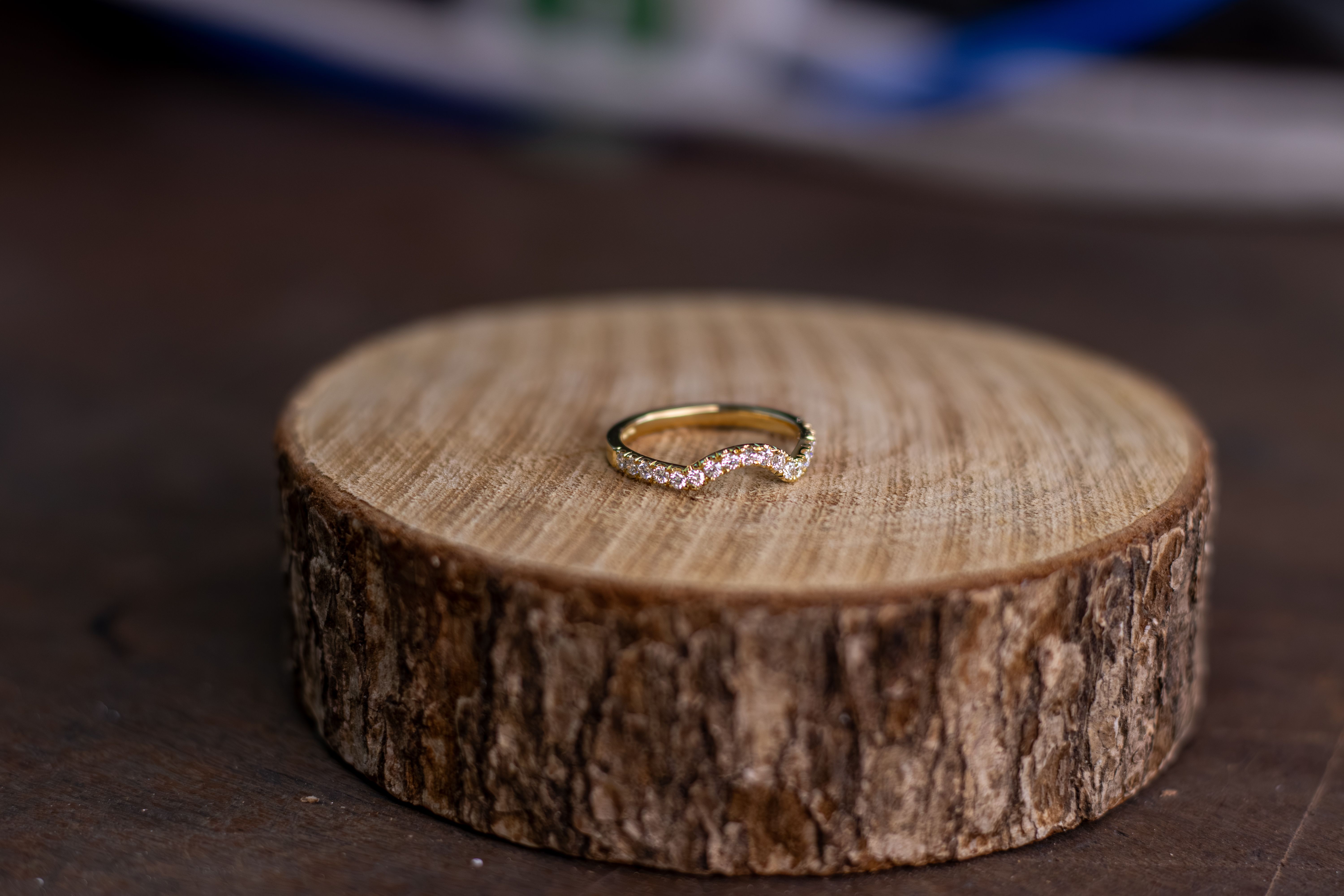
Curved, Contoured & Chevron Bands
To make stacking work seamlessly, wedding band designs have evolved. Straight bands often leave gaps when paired with engagement rings that have protruding settings or side stones. Enter curved, contoured, and chevron bands.
Curved bands feature gentle curves nestling against engagement ring shapes: U-shaped for round centre stones, V-shaped for pointed shapes like pears or marquise. Contoured bands are custom-fitted to follow the exact contours of specific engagement rings, creating absolutely flush fits.
Chevron or V-shaped bands create their own aesthetic, with bands pointing up or down to establish directional visual flow in stacks. These work particularly well with compass-claw engagement rings or geometric designs.
Eternity Bands & Pavé Styles
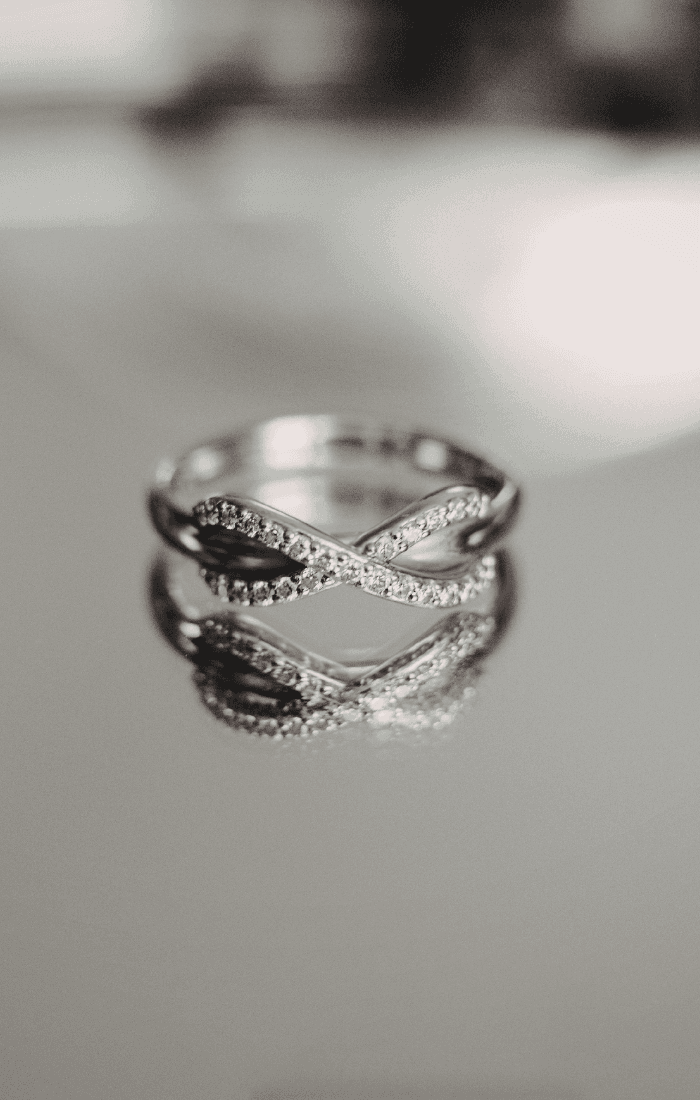
No stacking discussion is complete without eternity bands and pavé bands. Eternity bands feature gemstones (usually diamonds) completely encircling the band, symbolising eternal love while providing maximum sparkle. Pavé bands feature tiny diamonds set closely together, creating the appearance of a continuous diamond surface.
Both styles work beautifully in stacks, adding brilliance without overwhelming engagement ring centre stones. They're also substantial enough to wear alone on days when engagement rings stay safely at home.
Low-profile versions (stones set flush with metal rather than proud) are particularly practical for active lifestyles, minimising snag risk while maintaining visual impact.
Manufacturing Perspective: Precision Requirements for Stacking
Ring stacking requires exceptional precision at every manufacturing stage. When we design engagement rings at Weston Beamor, we now consider how future wedding bands will sit alongside them. Our CAD team creates digital renderings of complete stacks before production, allowing visualisation of how bands will interact.
We design contoured bands that fit perfectly flush against existing rings, eliminating gaps and ensuring comfortable wear. This is where our integrated manufacturing process particularly shines: our CAD designers work directly with setters and finishers, ensuring beautiful designs are also practical for everyday wear together.
Stacking demands tight tolerances. Our integrated process all under one roof maintains precision throughout. For complex stacks, we can produce resin prototypes for physical fit testing before final production, ensuring perfect results.
When building a ring stack meant to last a lifetime, this level of attention to detail matters enormously.
Trend 4: Vintage Meets Modern
Everything old is new again, but with a contemporary twist. Vintage-inspired jewellery (particularly Art Deco designs, Victorian romanticism, and antique diamond cuts) is experiencing a major revival in 2026. This isn't about dusty reproductions, though. It's taking the best elements of historical design and reinterpreting them with modern craftsmanship and wearable proportions.
Art Deco: Geometric Glamour
If one historical era dominates 2026, it's Art Deco. The period spanning the 1920s and 1930s introduced geometric precision, symmetrical designs, bold contrasts, and an aesthetic of glamorous modernity that still resonates nearly a century later.
Art Deco engagement rings feature precise geometric patterns, step-cut stones (emerald cuts, Asscher cuts), baguette side stones, and milgrain detailing (tiny beaded edging adding texture and vintage character). They emphasise clarity and geometry over sparkle, creating sophisticated, architectural beauty.
What distinguishes 2026's Art Deco revival is execution. Today's pieces feature cleaner lines, more precise gemstone settings, and thoughtful proportions that honour the original style while feeling thoroughly contemporary. They're inspired by Art Deco rather than reproducing it.
This appeals to those who appreciate design with historical context and detailed craftsmanship but don't want jewellery that feels costume-y or like they're literally wearing grandmother's ring (unless they actually are, in which case, wonderful).
Victorian Romance: Floral & Feminine
While Art Deco brings geometric precision, Victorian-inspired designs offer romance and organic beauty. Floral motifs, delicate engravings, vine patterns, and nature-inspired elements characterise this softer vintage aesthetic.
Victorian-style pieces often feature filigree work (delicate metalwork resembling lace), floral motifs (roses, lilies, botanical elements), coloured gemstones (Victorians loved colored stones, choosing them for symbolic meanings), and halos or clusters surrounding centre stones.
Modern interpretations maintain romantic sensibility while updating proportions and improving wearability. Where authentic Victorian rings might have high, delicate settings prone to snagging, contemporary versions have lower profiles and a stronger structure while maintaining a vintage aesthetic.
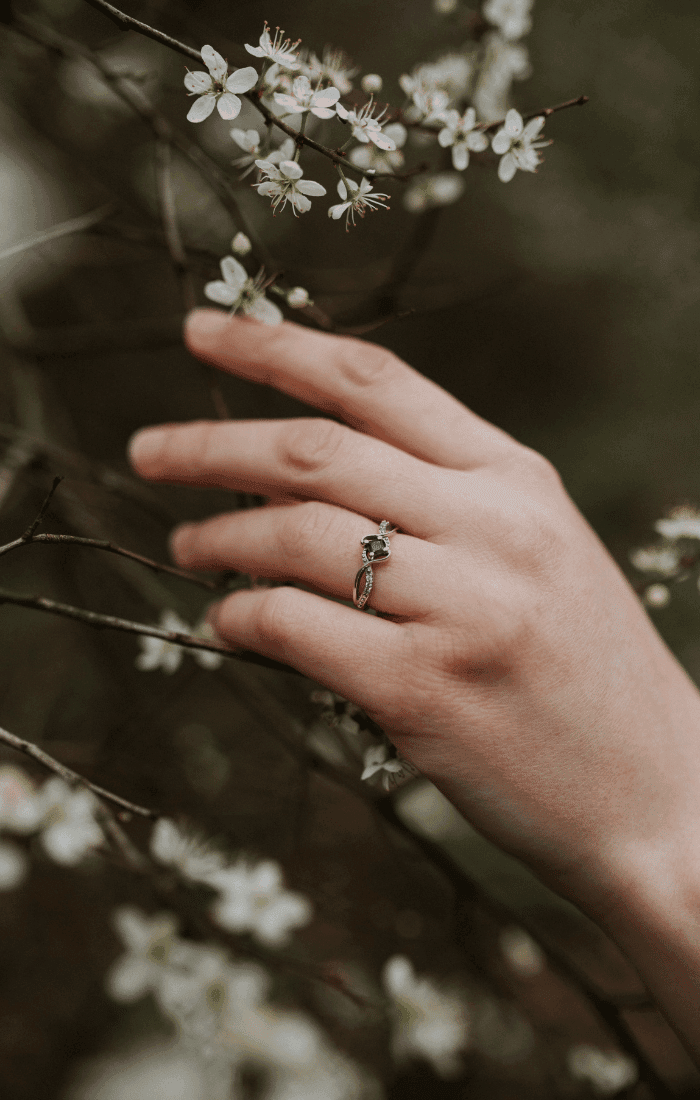
Antique Diamond Cuts: Character Over Perfection
Perhaps the most tangible expression of the vintage trend is renewed interest in antique diamond cuts: cuts developed before modern precision techniques, designed to maximise beauty under candlelight rather than electric bulbs.
Old Mine Cuts have seen explosive popularity (thanks partly to Taylor Swift's engagement ring). These cuts, predecessors to modern cushion cuts, feature high crowns, small tables, larger facets creating bold light flashes, and a characteristic "chunky" appearance quite different from modern brilliance.
The appeal lies precisely in their differences from modern cuts. Old Mine cuts have character. They look distinctive. Under certain lighting, they create light and shadow patterns unlike any modern diamond. They feel like pieces of history.
Old European Cuts (precursors to modern round brilliants) offer similar vintage charm with slightly different proportions. Asscher Cuts, with stepped facets and mesmerising "hall of mirrors" effect, bridge vintage and modern sensibilities.
These cuts are available both as actual antique stones (removed from vintage settings and remounted) or newly cut diamonds following antique patterns, providing vintage aesthetics with modern certification.
Heirloom Redesign: Honouring History
Related to the vintage trend is the increasing popularity of heirloom redesign: taking jewellery inherited from family members and reimagining them for contemporary wear.
This might involve removing diamonds from grandmothers' rings and setting them in new, more wearable designs; combining stones from multiple family pieces into single new rings; updating settings while preserving original stones; or melting down gold from old pieces to create new bands.
Heirloom redesign honours family history while creating something truly reflecting personal style. It's sustainable (reusing existing materials), sentimental (preserving family connections), and often more affordable than starting fresh with new stones.
Toi et Moi: "You and Me"
Toi et Moi rings feature two stones of similar size positioned side-by-side, literally "you and me." This romantic style has historical roots (Napoleon gave Josephine a Toi et Moi ring in 1796) but feels fresh and modern today.
Stones can be two different shapes (pear and oval, round and emerald), two different colours (diamond and sapphire, ruby and emerald), or two different types (diamond and pearl). The asymmetry and symbolism appeal to those wanting something unique and meaningful.
Hidden Details: Secret Touches
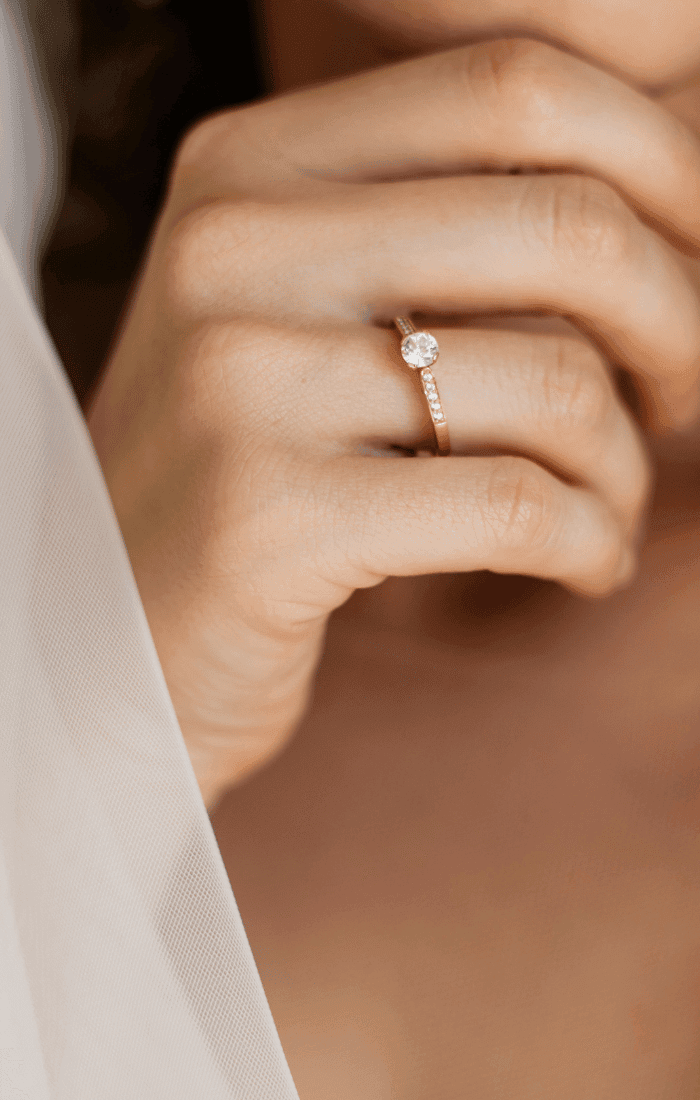
One of the most appealing vintage-inspired aspects is the opportunity for hidden details: elements not immediately visible but creating moments of discovery and personal meaning.
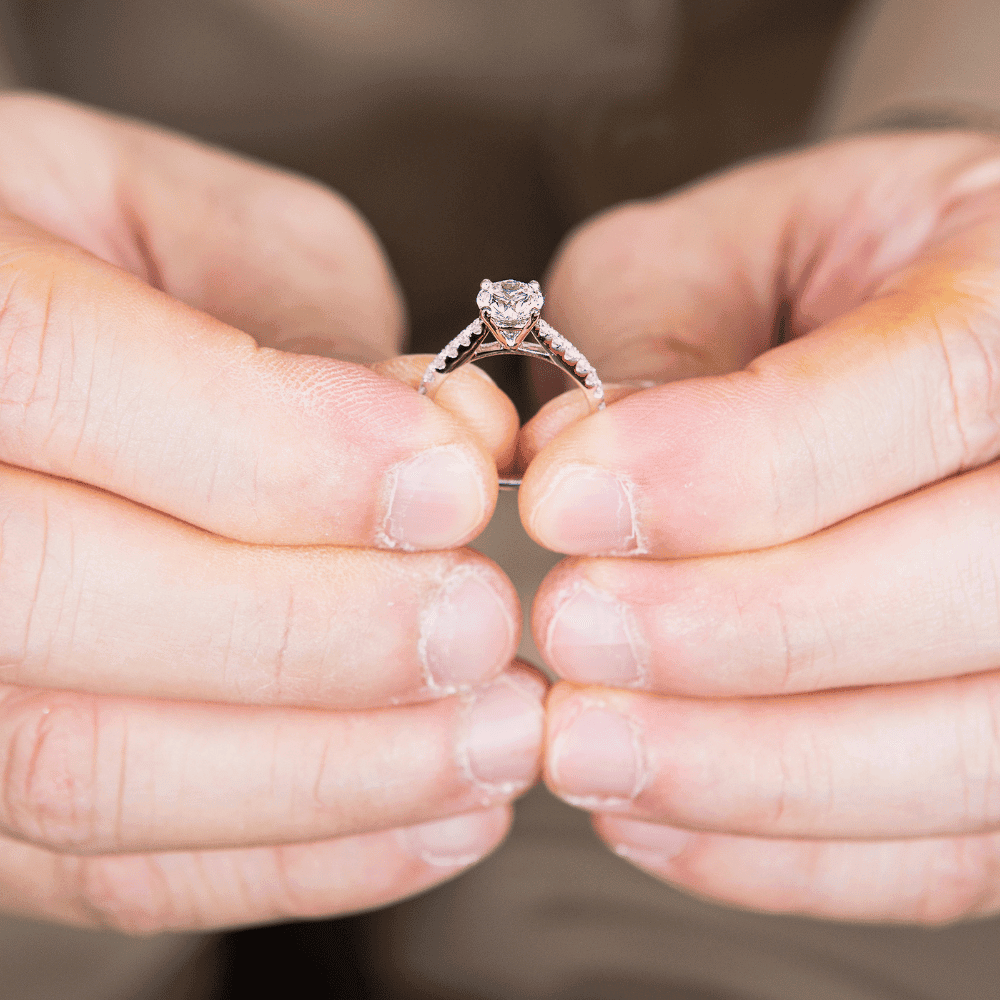
Secret halos
Smaller diamonds set around the centre stone settings, visible only from side angles, adding sparkle without changing profile.
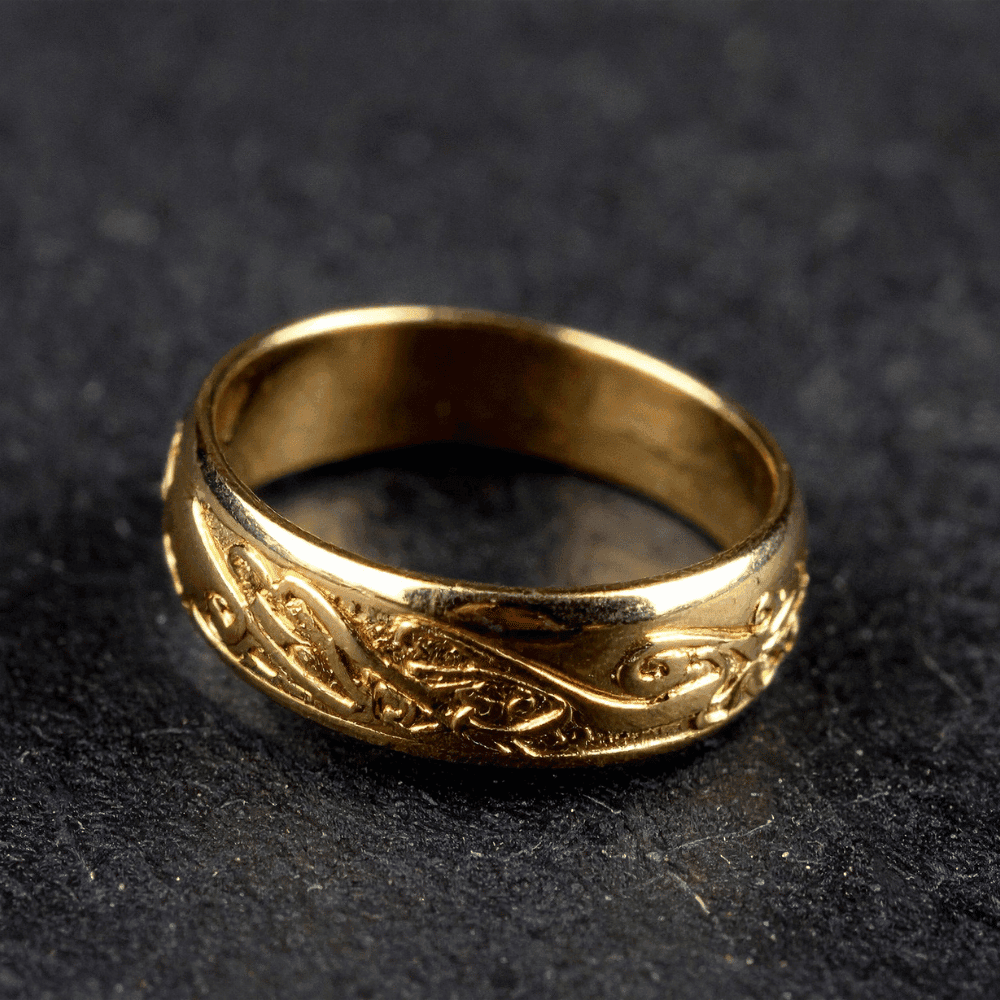
Under-gallery work
Intricate metalwork, engraving, or design elements underneath rings, seen only when looking up from below - secrets between wearer and ring.
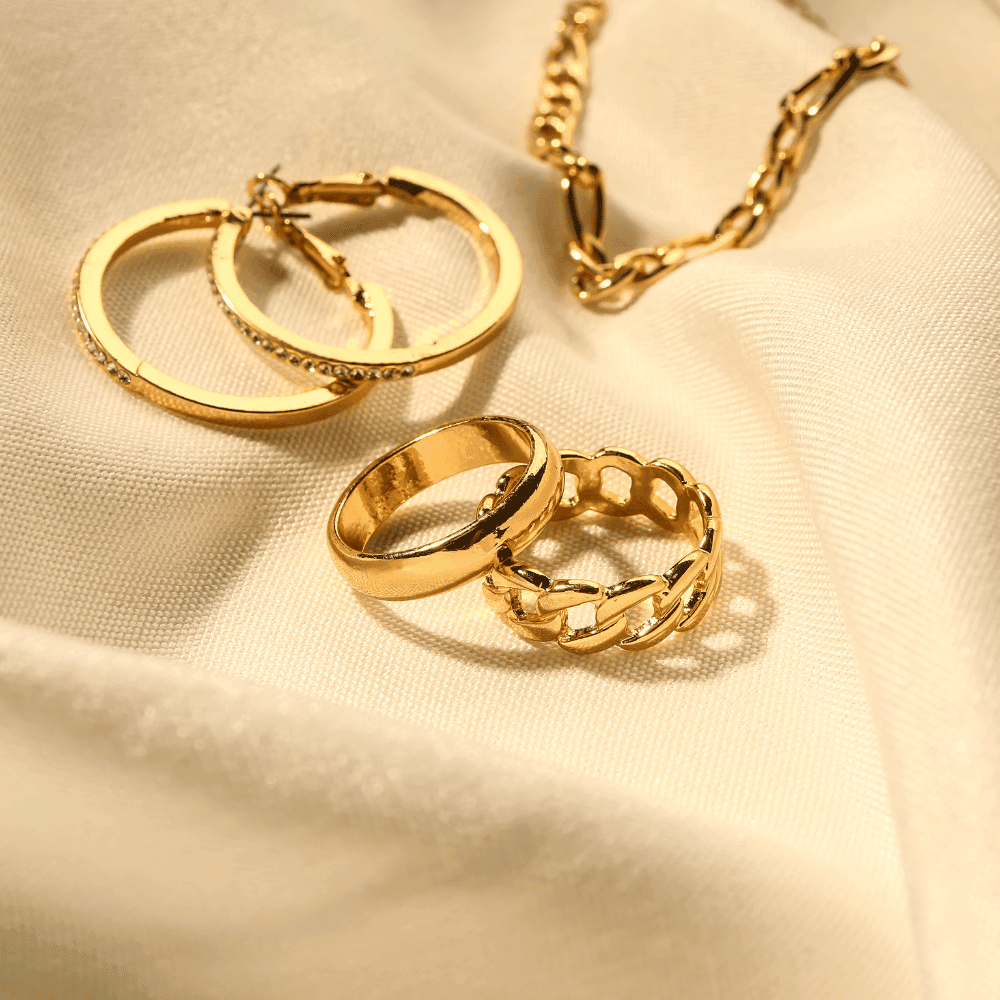
Two-tone interiors
Different metal colours inside the bands than on the outside, creating a sense of surprise when rings are taken off.
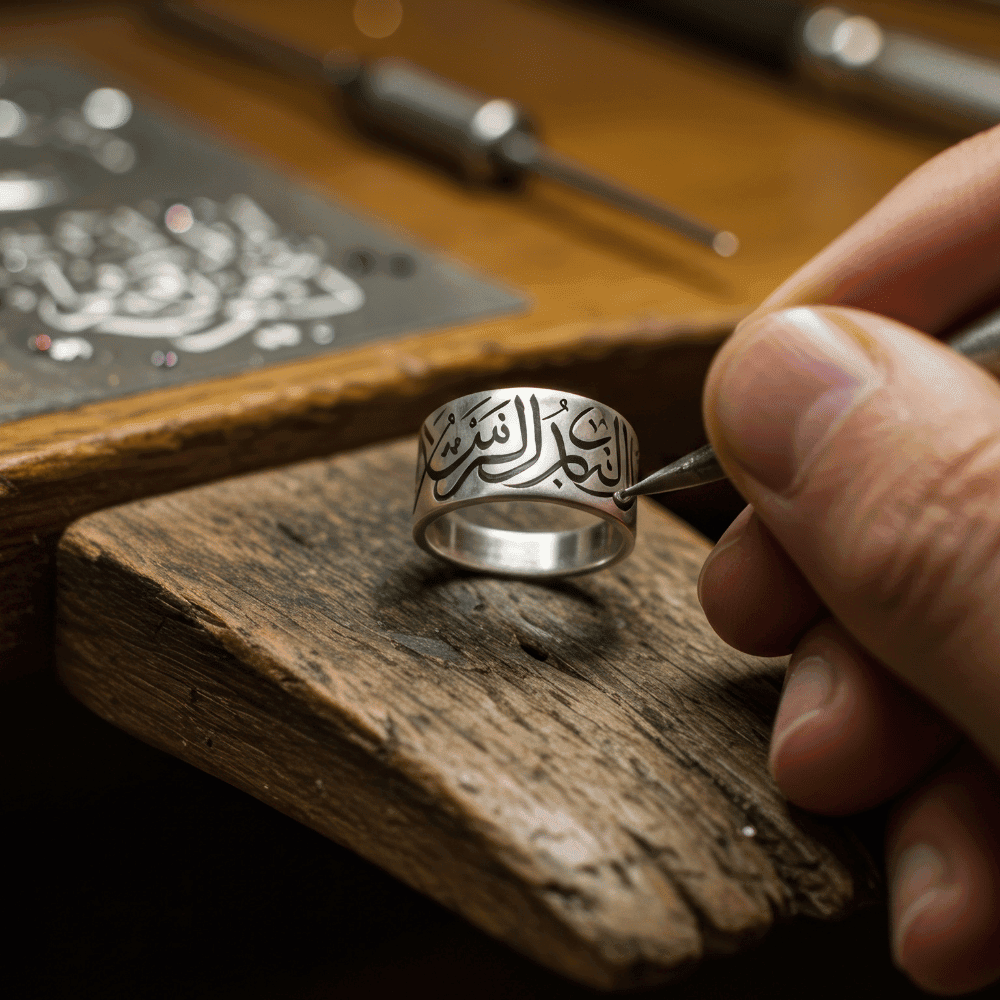
Personal engravings
Messages, dates, coordinates, symbols carved inside bands where only wearers know they exist.
Manufacturing Perspective: Birmingham's Heritage Advantage
Weston Beamor's 78-year history in Birmingham's Jewellery Quarter connects us directly to traditional techniques defining Art Deco and Victorian jewellery. These aren't techniques we're learning anew; they're part of our manufacturing heritage passed down through generations.
Our finishing team includes artisans trained in milgrain work, hand engraving, and filigree techniques through master-to-apprentice relationships. When we create vintage-inspired pieces, we're not just imitating historical styles - we're applying the same fundamental techniques that defined them, updated with modern precision and quality control.
Our CAD team can translate historical reference images into manufacturable designs. We understand which vintage details translate well to modern production and which require modification for wearability. This combination of historical expertise and contemporary manufacturing capabilities allows us to create pieces honouring the past while serving modern lifestyles.
Trend 5: Sustainable & Ethical Choices
Perhaps no trend defines 2026 more significantly than the shift toward sustainable, ethical jewellery. This isn't a niche concern for particularly eco-conscious buyers. It's mainstream, driven by generational value shifts and industry-wide changes in how jewellery is sourced, manufactured, and marketed.
The Lab-Grown Diamond Reality
Lab-grown diamonds are no longer a novelty. They now account for 45% of the US engagement ring market - a dramatic rise from just 3% in 2018. This isn't a coming trend; it's the current reality.
Lab-grown diamonds are produced in controlled laboratory environments using two main methods:
Chemical Vapour Deposition (CVD): Places diamond seed in a chamber containing carbon-rich gas. When heated, carbon atoms deposit onto the seed, growing a diamond layer by layer over several weeks.
High Pressure High Temperature (HPHT): Replicates natural conditions under which diamonds form deep in Earth, using extreme pressure and temperature to transform carbon into diamond crystal.
Both methods produce diamonds chemically, physically, and optically identical to natural diamonds. While gemological laboratories like the GIA once used broad classifications for lab-grown diamonds, most now provide detailed grading reports. To the naked eye - and even to most jewellers without specialised testing equipment - they remain entirely indistinguishable from natural stones.
The Economics
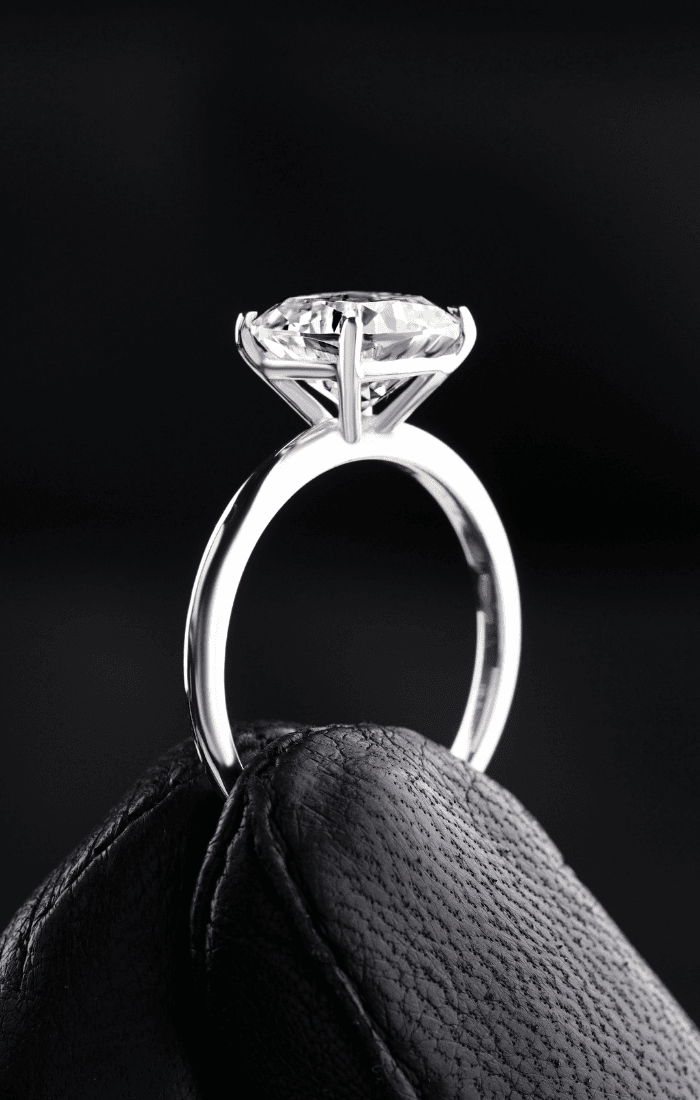
The most compelling argument for lab-grown diamonds is cost. Lab-grown diamonds currently retail for approximately 84% less than comparable natural diamonds. This means a 2-carat lab-grown diamond costs what a 1-carat natural cost five years ago, fundamentally changing possibilities within typical budgets.
This price difference has driven average lab-grown engagement ring centre stones from 1.31 carats in 2020 to 2.45 carats in 2024 - an 87% increase in size.
The Sustainability Question
Lab-grown producers market their products as environmentally superior to mined diamonds, avoiding land disruption, habitat destruction, and community displacement associated with mining. However, reality is nuanced.
Both CVD and HPHT processes require significant energy (roughly equivalent to powering a home for a month per diamond). Unless that energy comes from renewable sources, environmental benefits are less clear than marketing suggests. Some producers use renewable energy; others don't. Transparency about energy sourcing is essential for informed decisions.
Meanwhile, the natural diamond industry has made significant strides in environmental responsibility, with major operations implementing land rehabilitation, supporting wildlife conservation, providing employment and infrastructure in developing regions. The ethical picture is complex on both sides.
The Value Question
Here's where lab-grown and natural diamonds diverge significantly: value retention. Natural diamonds, being rare and finite, generally hold or increase value over time. There's an established resale market for natural diamonds.
Lab-grown diamonds, being producible on demand, have seen continuous price declines and minimal resale value. If you view engagement rings as investments or heirloom pieces to pass down, this matters. If you view them purely as jewellery to wear and enjoy, it may not.
Currently, only 3 in 10 adults claim that they are likely to buy a lab-grown diamond in the future , suggesting that for many, the rarity, romance, and investment value of natural diamonds still outweigh the cost benefits of lab-grown alternatives.
The Market Split
The industry is bifurcating into two distinct markets:
Lab-grown diamonds: Positioning as accessible, affordable luxury for everyday wear and fashion jewellery
Natural diamonds: Repositioning as exclusive, rare symbols of enduring value for milestone occasions
Both have legitimate places. The choice comes down to personal priorities: cost, environmental impact, value retention, and rarity. There's no universally "correct" answer, only what's correct for each individual or couple.
Recycled Metals: The Standard
While diamond sourcing generates debate, there's near-universal agreement on one sustainability practice: using recycled precious metals.
Recycled gold and platinum come from reclaimed jewellery, industrial applications, and electronic waste. Refining recycled metals requires a fraction of the energy needed for new mining and eliminates environmental destruction associated with ore extraction.
Most responsible jewellery manufacturers now use recycled metals as standard practice. This isn't marketing spin; it's simply the right way to work. Recycled metals perform identically to newly mined metals. There's no quality compromise, only provenance difference.
SMO Gold: Single Mine Origin Transparency
For those wanting complete supply chain transparency, SMO (Single Mine Origin) Gold offers a compelling alternative. Unlike generic recycled gold or conventional mined gold with opaque origins, SMO Gold provides full traceability from a specific, identified mine through to finished jewellery.
SMO Gold certification ensures responsible mining practices, fair labour conditions, environmental stewardship, and complete supply chain documentation. Every piece can be traced back to its exact origin, providing the transparency that modern consumers increasingly expect.
The appeal goes beyond ethics. SMO Gold allows jewellery to tell a complete story: not just "this is responsibly sourced" but "this gold came from this specific mine, where these practices are verified." For couples who value knowing exactly where their jewellery comes from, this level of transparency is meaningful.
At Weston Beamor, we work with SMO Gold as part of our commitment to responsible sourcing. Our RJC certification extends to ensuring proper handling and documentation of traceable materials throughout our manufacturing process, maintaining the chain of custody that makes SMO Gold's transparency possible
Certification & Transparency
As ethical concerns have grown, so has the importance of third-party certification. Key certifications include:

RJC (Responsible Jewellery Council)
Certifies jewellers, manufacturers, and suppliers meeting standards for ethical, social, and environmental practices throughout supply chains. RJC certification requires regular independent audits verifying compliance.
Kimberley Process
Prevents conflict diamonds from entering mainstream markets by requiring origin certification.
B Corp Certification
Verifies companies meeting high standards for social and environmental performance, accountability, and transparency.
Manufacturing Perspective: Weston Beamor's RJC Commitment
As an RJC-certified manufacturer operating in Birmingham's Jewellery Quarter, ethical manufacturing is fundamental to how we work. Our RJC certification verifies commitment to using a range of SMO and recycled precious metals, promoting fair labour practices throughout operations, maintaining environmental responsibility in processes, providing transparency about supply chains, and supporting our local community and workforce.
Our complete manufacturing chain (CAD design, 3D printing, casting, setting, finishing, and on-site hallmarking) all happens under one roof in Birmingham. This integration ensures quality control and eliminates the environmental impact of shipping pieces between multiple facilities. It also means we know exactly where every material comes from and how every piece is made.
When you work with RJC-certified manufacturers like Weston Beamor, you're choosing verified ethical standards, not just marketing claims.
Additional Trends Worth Watching
While the five major categories above dominate 2026, several additional movements deserve attention. These aren't quite large enough to warrant full sections, but are significant enough to influence jewellery choices.
Sculptural & Architectural Settings
Beyond substantial bands, there's a broader trend toward sculptural, architectural jewellery treating metal as an artistic medium. These designs feature fluid organic forms flowing around stones, asymmetrical compositions challenging traditional symmetry, negative space as a design element, and settings emphasising metal as much as stones. Think wearable art where settings themselves make statements, with stones complementing rather than dominating designs.
Bezel Settings: Practical Luxury
Bezel settings, or rubovers (where metal completely surrounds stones rather than holding with claws) are experiencing a major moment. Their appeal is both aesthetic and practical.
Visually, rubovers create clean, modern silhouettes emphasising stone outlines rather than facets, creating a different beauty than traditional claw settings.
Practically, bezels offer superior security. Stones are completely encased in metal, eliminating risk of claws bending or snagging. This makes bezel-set rings ideal for active lifestyles: healthcare workers, parents of young children, athletes, and anyone wanting jewellery keeping up with life.
Celebrity endorsement helps. Taylor Swift, Selena Gomez, and Zendaya all wear bezel-set engagement rings, bringing mainstream attention to the style.
Personalisation & Custom Design
The biggest trend might be the shift from buying off-the-shelf to creating custom and bespoke pieces, with improved CAD technology and more accessible custom services allowing consumers to create truly one-of-a-kind jewellery that is no longer just accessible to the ultra-wealthy and exclusive circles.
Bespoke design allows unique centre stone choices, settings tailored to lifestyle and aesthetic preferences, personal symbolism (incorporating meaningful dates, coordinates, symbols), perfect sizing and fit, and exactly what you want rather than close enough.
Textured Metals
Smooth, high-polish finishes are giving way to textured surfaces: hammered, brushed, sandblasted, wire-brushed finishes creating visual and tactile interest.
Beyond aesthetics, textures serve practical purposes: they hide micro-scratches and scuffs accumulating on jewellery worn daily. Hammered bands show wear less obviously than high-polish bands, keeping their beautiful appearance longer.
Three-Stone & Multi-Stone Rings
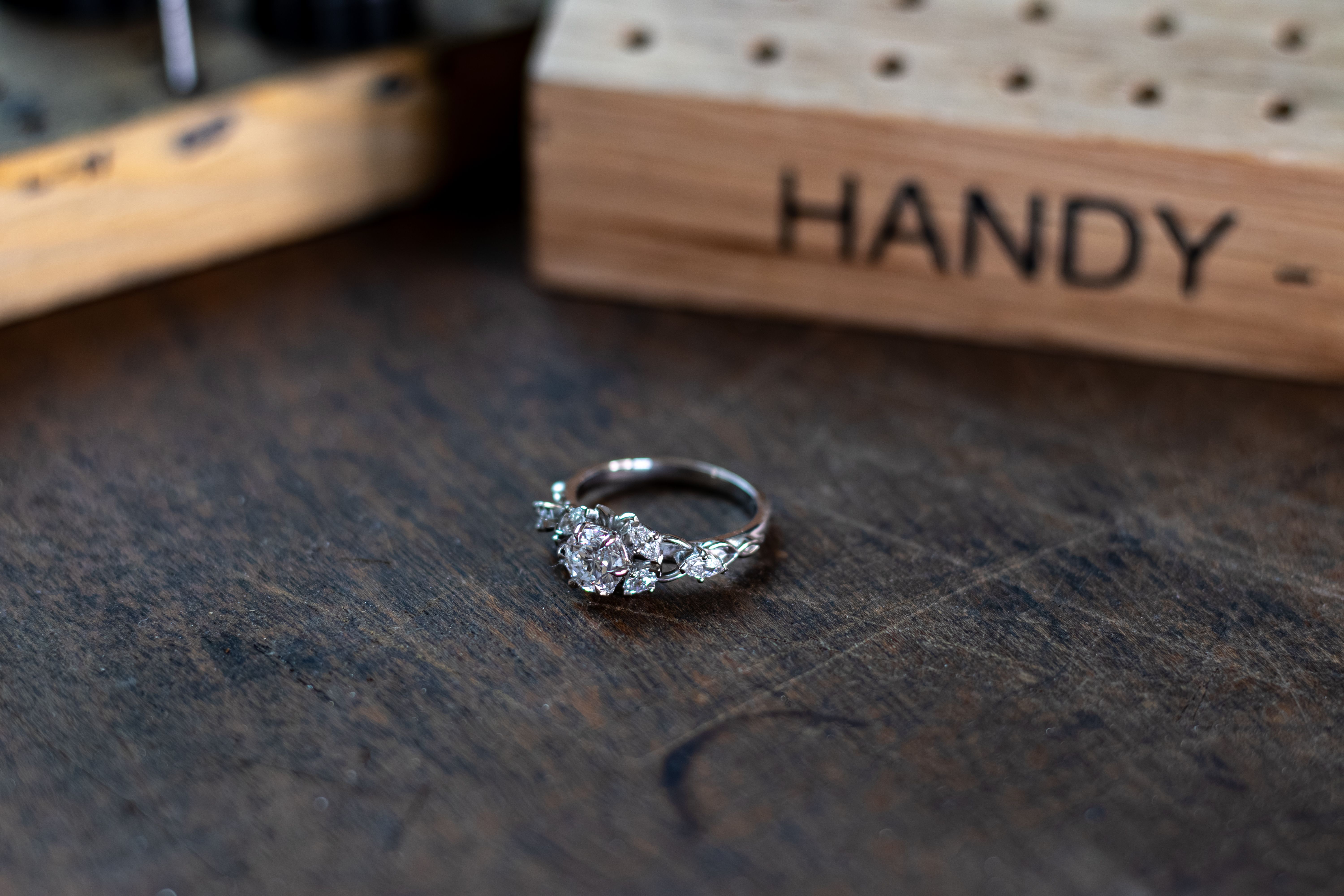
Three-stone engagement rings (symbolising past, present, future) remain enduringly popular, but with twists. Instead of uniform stones, 2026 versions often feature mixed shapes (oval centre with pear sides, emerald with baguettes), different colours (white diamond centre flanked by sapphires), or asymmetrical arrangements.
Five-stone and cluster arrangements take this further, creating jewellery with complexity and visual depth.
How to Choose: Navigating the Trends
With so many options, how do you decide what's right? Here's practical guidance for navigating 2026's bridal jewellery landscape.
Don't Follow Every Trend
Most important advice: choose what resonates with you, not what's trending. These trends describe what's available and popular, not what you must have. If your heart calls for classic solitaire on a thin band, get that classic solitaire. If you hate coloured stones, don't force yourself to consider them.
Best jewellery choices are personal, not fashionable.
Consider Your Lifestyle
Daily life should influence choices:
- Active lifestyle or hands-on work: Consider rubover settings, lower profiles, smooth bands without protruding details
- Desk work or careful lifestyle: Claw settings, elaborate details, and higher profiles work fine
- Frequent hand-washing: Avoid settings trapping soap and lotion
- Rough on jewellery: Prioritise durability - hard stones, secure settings, substantial metal
Engagement rings especially should work with life, not against it.
Think Long-Term
You'll (hopefully) wear engagement and wedding rings for decades. While trends are fun, timelessness matters too.
Ask: Will I still love this in 10 years? 20 years? When I'm 70?
The safest approach combines timeless fundamentals with trendy details: classic diamond solitaires in a sculptural setting; traditional bands with modern mixed metals; or vintage-inspired design with contemporary proportions.
Budget Allocation
With many choices, budget decisions matter. Prioritise stone quality (especially cut. setting craftsmanshi, and elements you'll see daily.
Consider savings on stone size (if quality is more important), opting for lab-grown diamonds and simple settings (if preferring minimal styles).
Don't compromise on manufacturing qualit, secure settings or proper sizing. Poorly made jewellery, regardless of style, is never worth it.
Try Before Deciding
Photos never tell complete stories. Try on different styles:
- Chunky bands might feel too heavy (or perfectly substantial)
- Delicate bands might feel too insubstantial (or elegantly refined)
- Bezel settings might suit hands better than claws
- Coloured stones may pop differently on different skin tones
Your Story, Your Choices, Your Manufacturing Partner
2026's bridal jewellery trends paint a picture of an industry in transformation. Old rules are being rewritten. Traditional hierarchies of what's "proper," what's "done" are crumbling in favour of personal expression, ethical consideration, and creative freedom.
Whether you're drawn to substantial gold bands with large centre stones, colourful sapphires with symbolic meaning, curated ring stacks built over years, vintage-inspired designs with modern execution, or ethical clarity of lab-grown diamonds and recycled metals, there's never been a better time to find jewellery truly reflecting who you are.
The throughline connecting all these trends is intentionality. People are making thoughtful choices based on values, aesthetics, and stories rather than simply following prescribed paths. Engagement rings don't have to look like anyone else's. Wedding bands can be as unique as relationships. Bridal jewellery can tell stories in ways feeling authentic and meaningful.
Let's Talk
At Weston Beamor, we've been manufacturing jewellery in Birmingham's historic Jewellery Quarter for over 75 years, combining traditional craftsmanship with cutting-edge technology. We work with designers and retailers across the UK and internationally, providing manufacturing expertise, turning beautiful designs into treasured pieces.
Because ultimately, trends come and go. But jewellery chosen to mark life's most important moments? That's forever.

Weston Beamor has been casting precious metals since 1947. Working with a broad spectrum of customers for nearly 80 years has made Weston Beamor one of the most respected and trusted names in the jewellery industry. Company Number 00465213