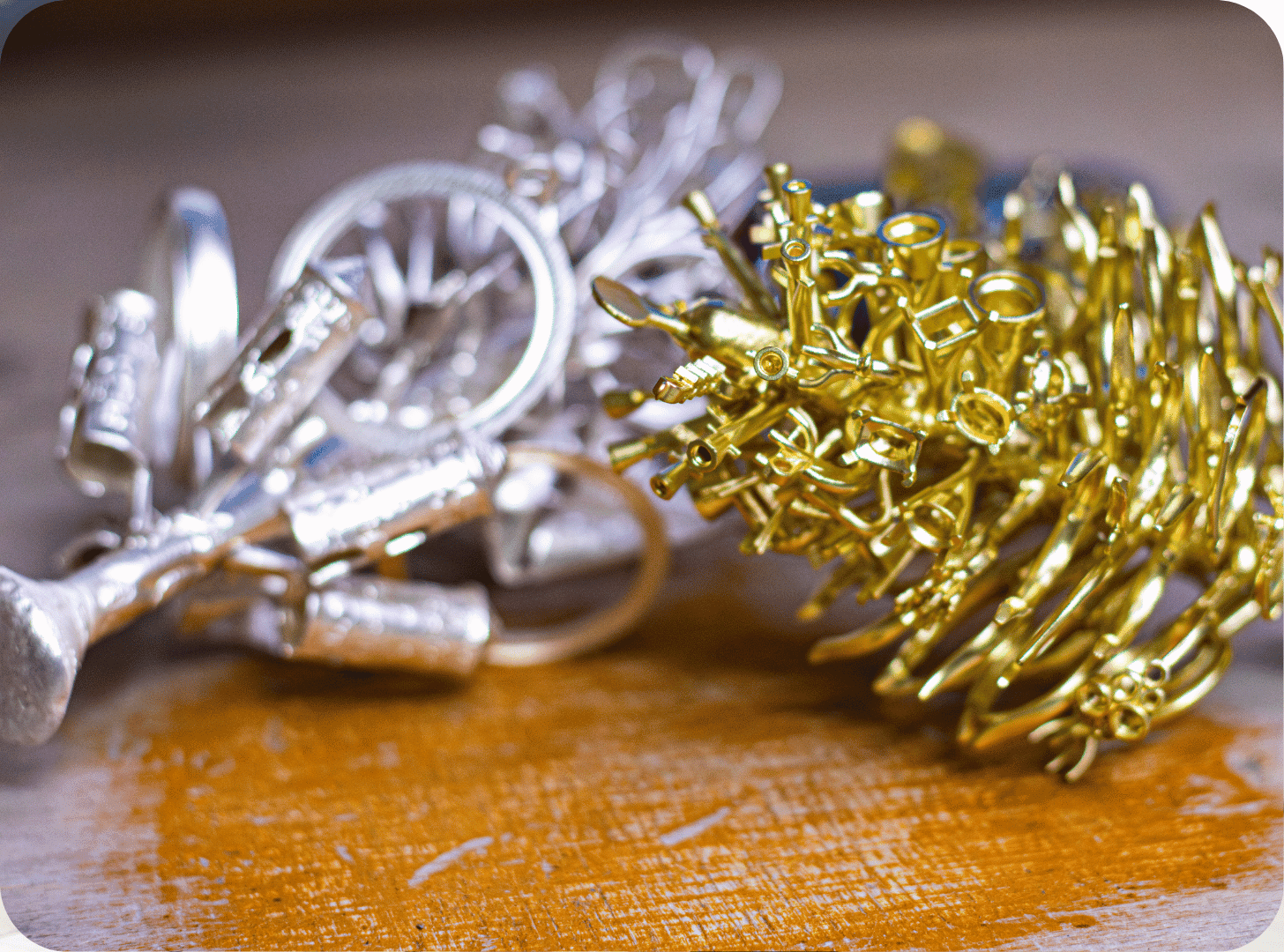
Most casting houses will tell you what equipment they have. The printer model, the casting capacity, the turnaround times. All of that matters, but none of it tells you what you actually need to know: do they think like manufacturers, or do they just think like casters?
That distinction changes everything about the results you get, the problems you avoid, and the confidence you can have in taking on ambitious work.
Recently, our Technical Manager Ed Hole and Business Manager Emma Millard sat down with Retail Jeweller to discuss what really sets manufacturing partners apart. One theme kept emerging: the importance of asking questions that reveal how a casting house actually operates, not just what they claim to offer.
Here are five questions that cut through the marketing and show you what you're really working with.
1. Does your CAD team work alongside people who actually make jewellery?
This is the question that matters most, even if it sounds abstract at first.
When a CAD technician is preparing your file for printing, are they thinking purely about whether it will print and cast cleanly? Or are they also thinking about whether a setter can actually access those stone seats, whether there's enough metal in the right places for mounting, whether the finishing process will be straightforward or unnecessarily complicated?
Those are different types of thinking. One comes from working in a casting house. The other comes from working in a manufacturing environment where you see the complete journey every day.
At Weston Beamor, our CAD team sits in the same building as our mounting team, our setting team, our finishing team. When they're preparing a file, whether it's for a full bespoke project or just print and cast, they can walk over and ask a setter "how would you actually approach this?" They're optimising with input from people who make jewellery, not just people who cast it.
That matters whether we're taking a piece all the way through to finished and hallmarked, or casting it for you to finish yourself. The manufacturing knowledge is the same. The care is the same. We're still thinking about how that piece needs to behave through mounting, setting and finishing, because that's what we do here.
Why this matters: Problems get prevented before they happen. Details get optimised for the complete journey, not just the casting stage. You get better results because the thinking is better from the start.
2. When something goes wrong, who fixes it and how fast?
Every manufacturing process hits challenges occasionally. The difference between good partners and mediocre ones shows up in how quickly problems get resolved.
Ask potential casting houses: who identifies issues and how quickly can they be addressed? If there's a problem with how a piece cast, or a detail that didn't come through as expected, or an adjustment needed after you've seen the wax, what actually happens?
If you're working with a casting house that coordinates with external suppliers for printing or other services, problem-solving becomes coordination across multiple companies. Information gets filtered, solutions take longer, and you're managing the middle ground.
Because we manufacture complete pieces on-site, from CAD through to finished and hallmarked jewellery, we can gather the right expertise immediately. Our casting team can talk directly to our CAD team. Our finishing team can provide feedback that informs how we approach the next similar piece. Changes get handled in hours, not days of back-and-forth emails.
Why this matters: When you're managing customer expectations and deadlines, you need problems solved quickly by people who can actually see the piece and talk to each other in real time.
3. Do you have on-site hallmarking?
This question reveals more than you might think about a company's commitment to genuinely integrated service
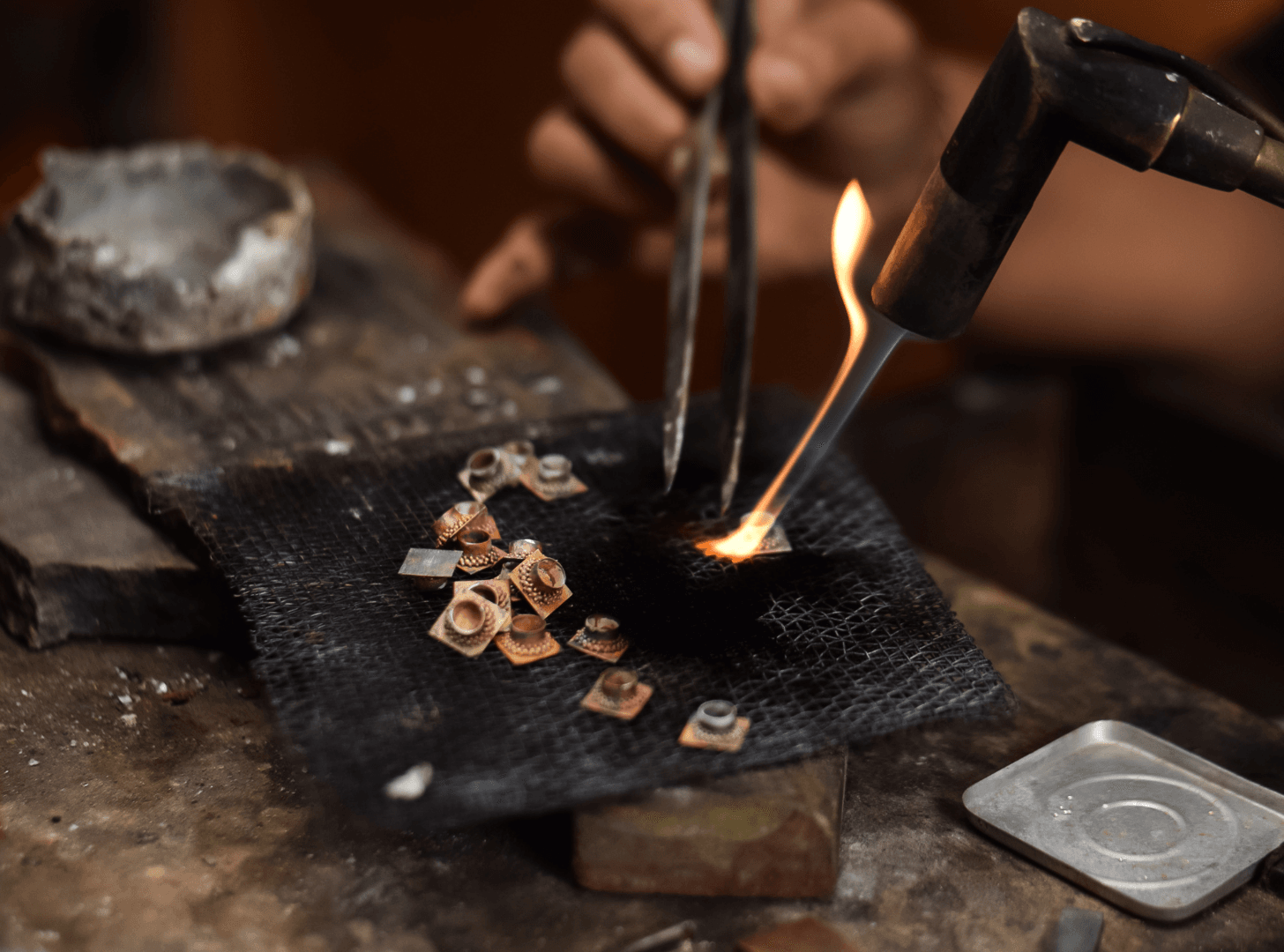
If a casting house can't hallmark on-site, you're managing that step separately. Additional coordination, transit time, potential delays, extra cost for shipping and insurance. Every time a piece moves between suppliers, you're adding variables and risk.
Having Birmingham Assay Office on our site means hallmarking is built into the process from the start. Whether we've cast a piece for you to finish yourself, or taken it through our complete manufacturing process, hallmarking happens here. One partner, one timeline, one conversation.
Why this matters: Streamlined processes mean predictable timelines. When you tell your customer a piece will be ready in three weeks, you can actually deliver on that promise because you're not dependent on multiple companies coordinating schedules.
4. How do you test new technology before using it on customer work?
When a casting house invests in new equipment, their testing process tells you how seriously they take quality and how well they understand integration.
Are they running controlled trials across their whole system, or just installing new equipment and working it out as they go? Do different departments get involved in validation, or does a new printer arrive and immediately start processing customer orders?
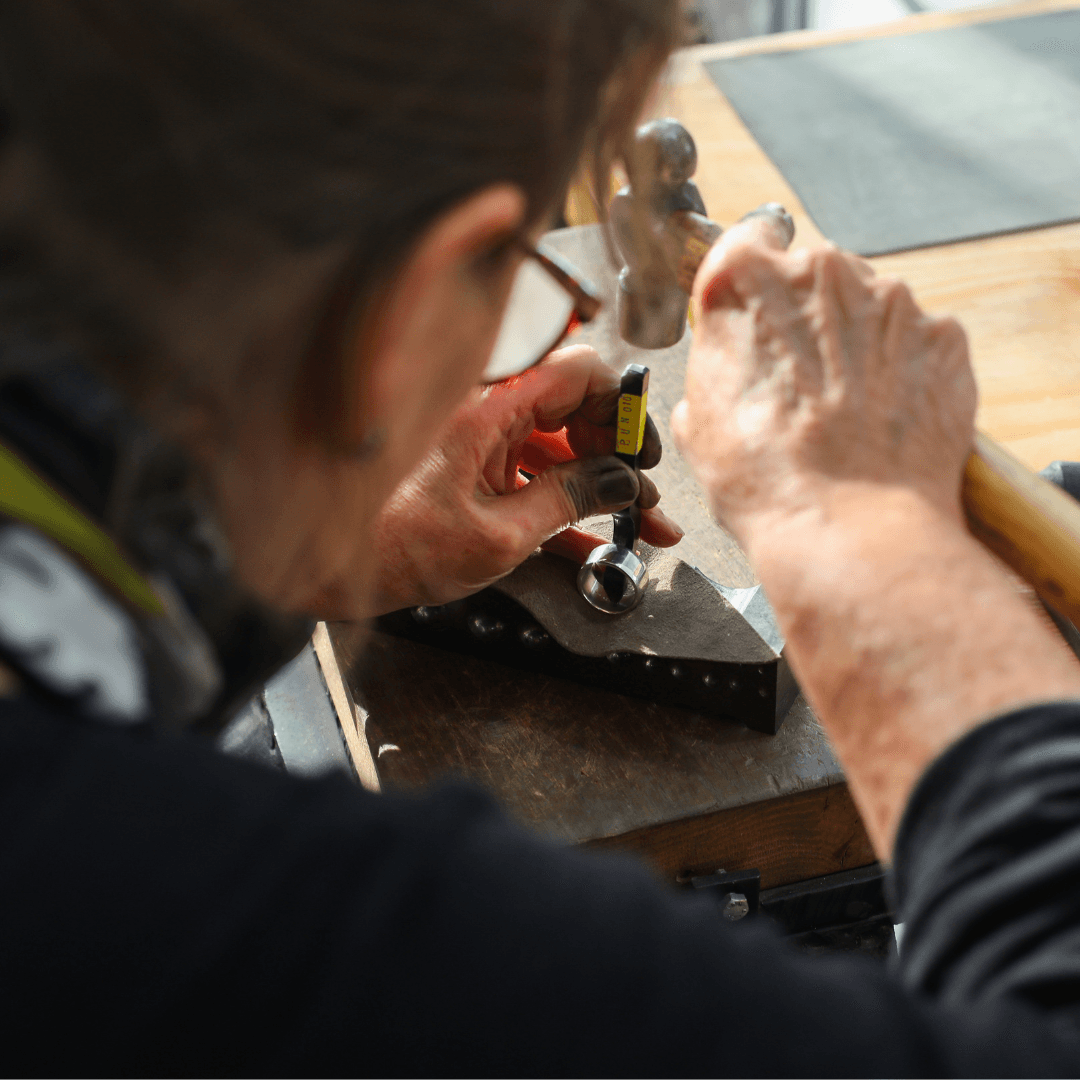
When we introduced the Flashforge WaxJet 510 earlier this year, we spent months testing before it became part of our standard process. We ran pieces through our complete casting workflow, checked burnout quality, refined resin profiles, got feedback from our casting team and finishing team about actual results at the bench.
Companies that genuinely understand integration will talk about cross-departmental testing, about months of refinement, about how their casting team was involved in validating new printing systems. If they're just excited about specifications and features, that tells you something different about their priorities.
Why this matters: You want to work with people who prove things work before they use them on your projects. Twenty-five years of 3D printing experience counts for more than the newest equipment.
5. What's the real cost of choosing the cheapest option?
Price matters. Of course it does. But the cheapest casting isn't always the most economical choice when you factor in what happens next.
If a casting comes back and needs significant cleanup work, that's time at the bench. If detail didn't hold and you need to go back for revisions, that's delay and material cost. If you're coordinating across multiple suppliers for casting, hallmarking and problem-solving, that's your time spent on logistics instead of making.
We're not competing to be the cheapest casting house. We're set up to deliver castings that have been optimised by people who understand manufacturing, that come back clean and ready to work with, that can be hallmarked on-site without additional coordination. That approach has a cost, but it also has a value that shows up in less bench time, fewer revisions, and more predictable timelines.
The question isn't whether you can find cheaper casting. You can. The question is whether that cheaper casting actually costs you less when you account for everything that happens after it arrives.
Why this matters: Real economy is about the complete cost, not just the invoice. Time, revisions, delays, and coordination all have a price, even if it doesn't appear on a quote.
What This All Comes Down To
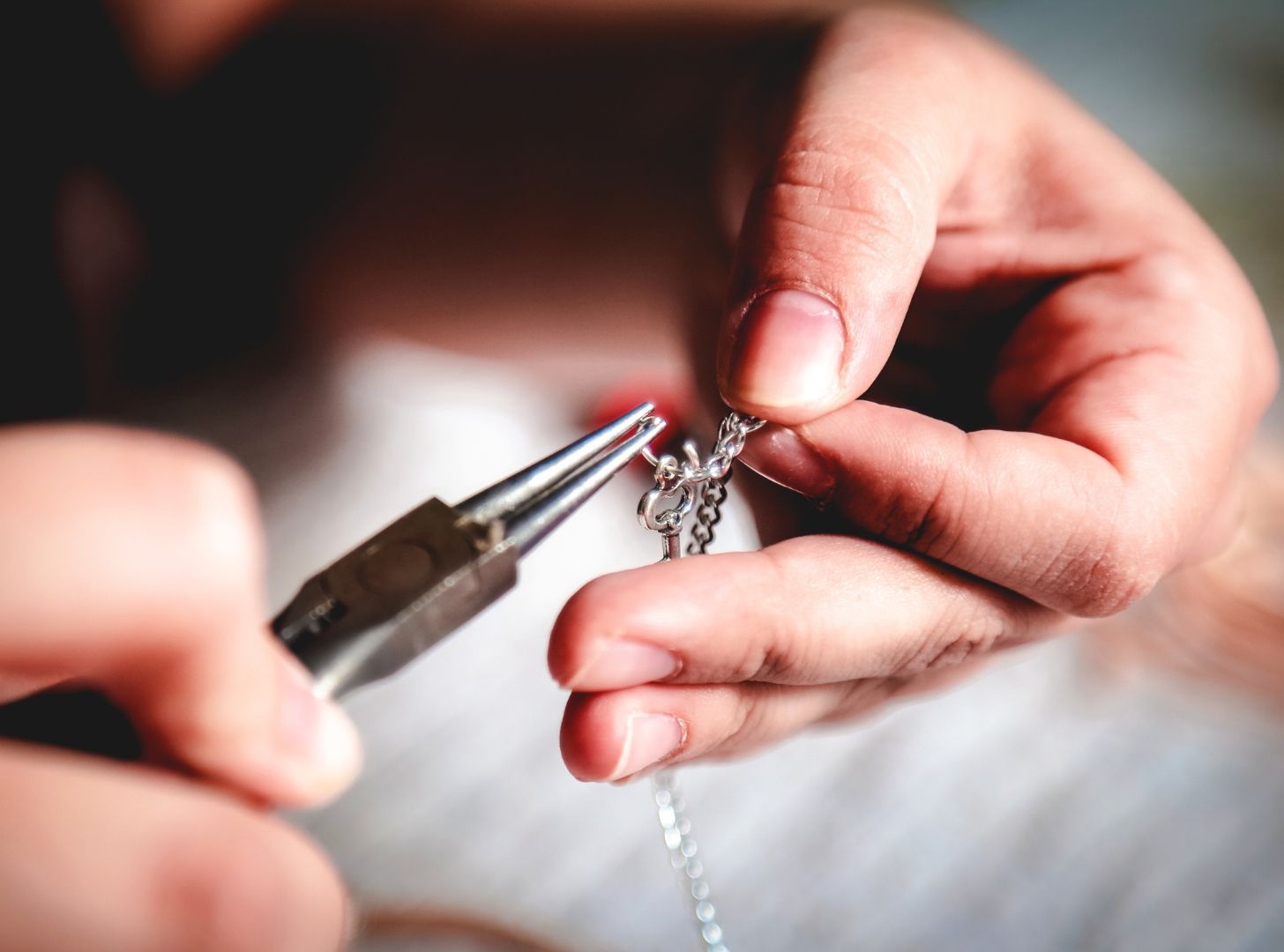
These five questions ladder up to one fundamental distinction: does this casting house think like manufacturers, or just like casters?
If they only cast, they're optimising for one stage of the process. They might do that stage excellently, but they're not thinking about what comes next because they don't see what comes next.
If they manufacture, that knowledge feeds into everything they do. Even when they're just casting a piece for you to finish yourself, they're thinking about the complete journey because they see that journey happening every day in their own workshop.
That distinction changes the quality of the results, the reliability of the timelines, and your confidence in taking on ambitious work. It's the difference between a supplier and a genuine partner.
We've been established since 1947. We were one of the first UK casting houses to offer 3D printing over 25 years ago. We've been doing full bespoke manufacturing for 15 years. That history matters because it means when you bring us something challenging, we're usually not seeing it for the first time. The knowledge is deep, the process is proven, and the thinking is shaped by decades of actually making finished jewellery, not just producing castings.
Whether you need print and cast services or complete bespoke manufacturing from CAD design through to finished and hallmarked pieces, you deserve to work with people who think about your success and understand the complete picture.
Want to Learn More?
Our Technical Manager Ed Hole and Business Manager Emma Millard recently discussed these topics in depth with Retail Jeweller magazine, exploring what really makes manufacturing partnerships work and why integration matters more than ever for jewellers and designers managing real-world pressures. Or if you'd like to discuss your specific project needs, our team is here to help.
Read the full interview: The Integration Advantage
Weston Beamor has been casting precious metals since 1947. Working with a broad spectrum of customers for nearly 80 years has made Weston Beamor one of the most respected and trusted names in the jewellery industry. Company Number 00465213