Wednesday,15 April 2026
The jewellery trade has always been built on direct relationships with customers. Digital has not changed that. What it has changed is the scale, the speed, and the standard customers hold you to.
The Luxury in Flux survey shows that growing an online brand ranks as the second biggest priority for the UK jewellery trade in 2026, sitting directly behind margin improvement. That ranking matters. It tells you something about how the industry now understands where customers are found, where trust is built, and where the competition is sharpest.
One in four UK consumers already buys jewellery directly through social platforms. More than two-thirds of jewellery browsing happens on mobile. And customers are not comparing jewellers only against each other. They are measuring the experience against everything else they buy online, including sectors with significantly larger digital budgets and much faster fulfilment.
That is the environment the UK jewellery trade is operating in. The businesses that understand it clearly are building real advantage. Those that treat digital as a secondary concern are finding the gap between customer expectation and what they offer increasingly hard to close.
What Direct-to-Consumer Actually Means Now
Direct-to-consumer is not a new idea for jewellery. Jewellers have always sold directly to the people who wear their work. What digital has done is transform what that relationship looks like and how it is maintained.
A customer today might first encounter a brand through a short video on Instagram. They follow, they save posts, and they screenshot pieces they like. They research the brand on its website, check the sourcing credentials, and read reviews. They might visit the store, or they might complete the purchase entirely online. At every stage, they expect the experience to be coherent, quick, and clear.
52.7% of retailers in our survey ranked differentiating from online competitors as very important. That pressure is real. The online jewellery market is crowded, and the barrier to entry for new brands has never been lower. Standing out requires more than a well-photographed product. It requires a consistent point of view, a clear story, and an experience that makes the customer feel the brand understands them.
“Digital brands thrive by balancing speed and story, but that takes the right partners.”
Naomi Newton-Sherlock, Director, Weston Beamor
Speed without story is just fulfilment. Story without speed loses customers before they buy.

Where Social Commerce has Arrived
UK social commerce is growing fast. 76% of consumers plan to buy directly via social in 2026. TikTok Shop has reported triple-digit growth in shoppers and revenue, with thousands of live streams running daily. The distance between content and checkout has effectively collapsed.
For jewellery, this creates both opportunity and challenge. Creator content, try-ons, sparkle tests, and sizing comparisons reduce the uncertainty that has historically made buying jewellery online feel risky. Nearly half of consumers now make a purchase at least once a month because of influencer content.
The businesses in our survey that are winning on social are not necessarily the ones with the biggest budgets. They are the ones with the clearest voice. Influencer strategy in jewellery does not have to mean celebrity partnerships or large paid campaigns.
Nano and micro creators with genuine audiences aligned to your values often deliver better results. The principle is credibility over reach, and content that showcases craft, provenance, and authenticity rather than just the finished piece.

The Omnichannel Reality
One of the clearest findings in the Luxury in Flux research is that customers no longer separate online and offline into two distinct experiences. They expect both to feel like the same brand.
Research shows that 73% of buyers use at least two channels before making a purchase. Multichannel shoppers spend 30% more than single-channel buyers. In jewellery, a customer might discover a brand on Instagram, review sourcing details on the website, and complete the purchase in store. They experience all of that as one journey. The brand that feels inconsistent across those touchpoints creates friction at the worst possible moment.
88% of retailers in our survey said fast turnaround was an important challenge. 94% highlighted communicating value to customers as critical. Both of these are omnichannel issues as much as operational ones. A customer who finds a piece online expects accurate stock information, clear metal and size options, and a realistic delivery timeline.
What was once forgivable is now a reason not to return.
What the Bespoke Journey Looks Like Digitally
Personalisation and digital are more connected than they might first appear. The research shows clearly that customers increasingly arrive with a specific vision, often sourced from social media, and want to know whether you can bring it to life.
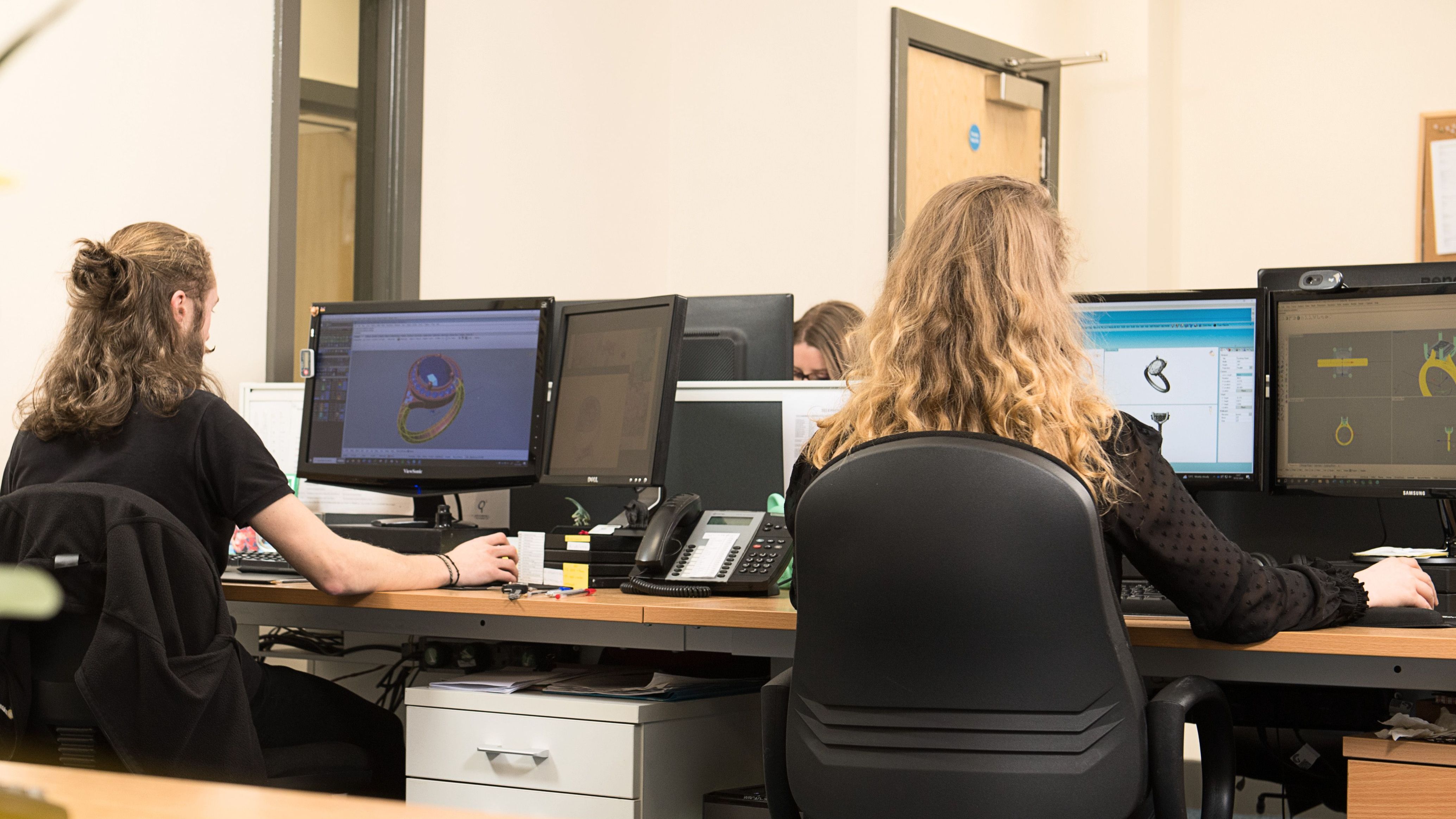
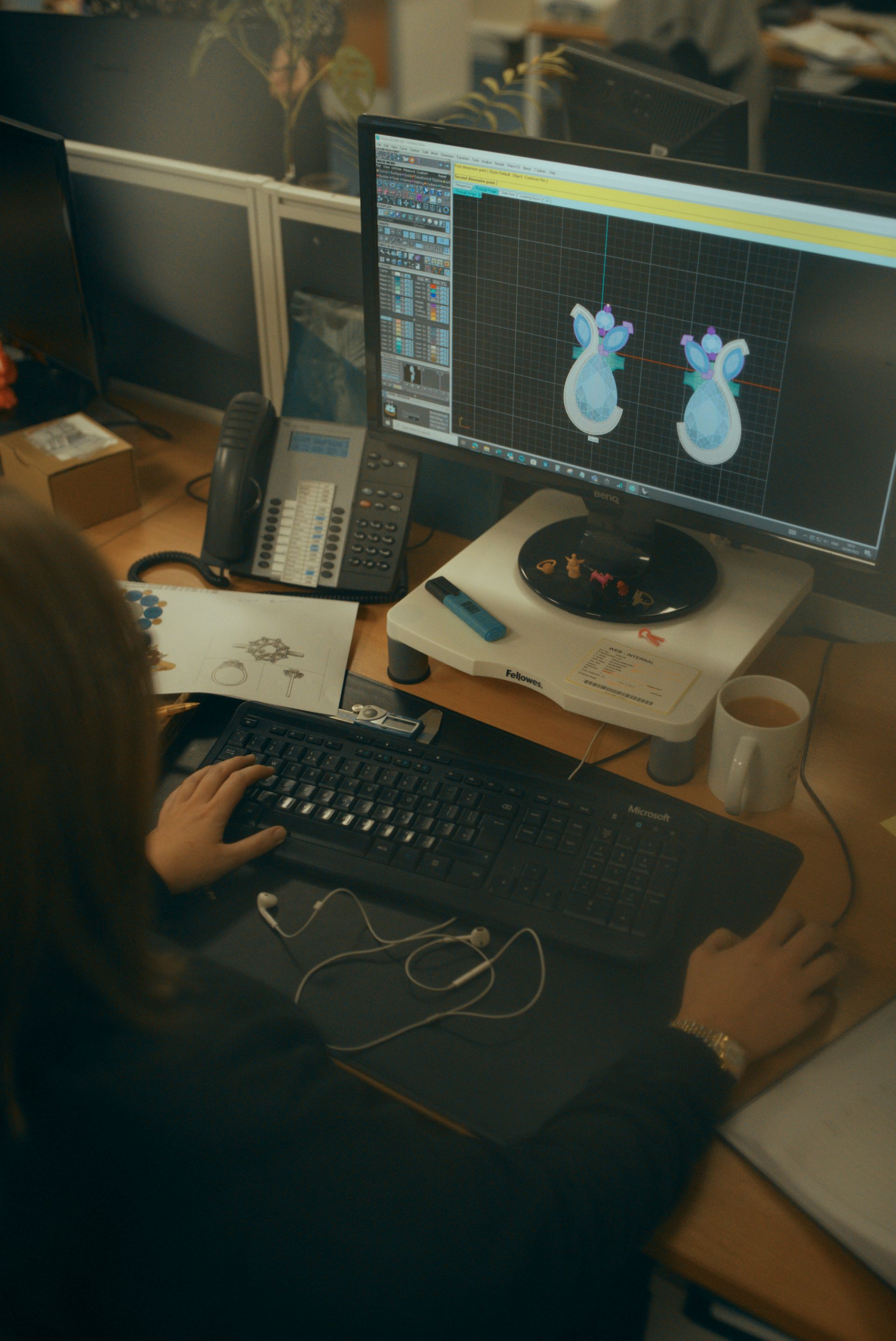
The businesses handling this well have built a clear pathway from inspiration to commission. Social screenshots become intake points. CAD renders give customers something to react to before anything is cast.
Digital approval stages build ownership and reduce the risk of a finished piece missing the brief. And the handover, with sourcing notes, hallmark details, and a care guide, extends the story beyond the transaction and gives the customer something worth sharing.
“Providing customers the opportunity to shop with us however they want, in-store, online, and to provide informed in-person service which differentiates us from pure online competitors.”
Retailer respondent, Luxury in Flux survey
That is the model the market is moving toward. Not digital or physical, but both, joined up, with the same quality of experience at every touchpoint.
The Standard the Trade is Being Held To
The central finding from the digital section of the Luxury in Flux research is straightforward. Customers are not comparing jewellers against jewellers. They are comparing their experience of buying jewellery against their experience of buying everything else online, and the standard they are applying is the best of what they have encountered anywhere.
Speed, clarity, provenance detail, and story told consistently across every channel are no longer differentiators. They are the entry point. The businesses that treat them as basics and build from there are the ones positioned to grow. Those still debating whether digital matters have already lost ground; they will find it hard to recover.
The Data That Matters
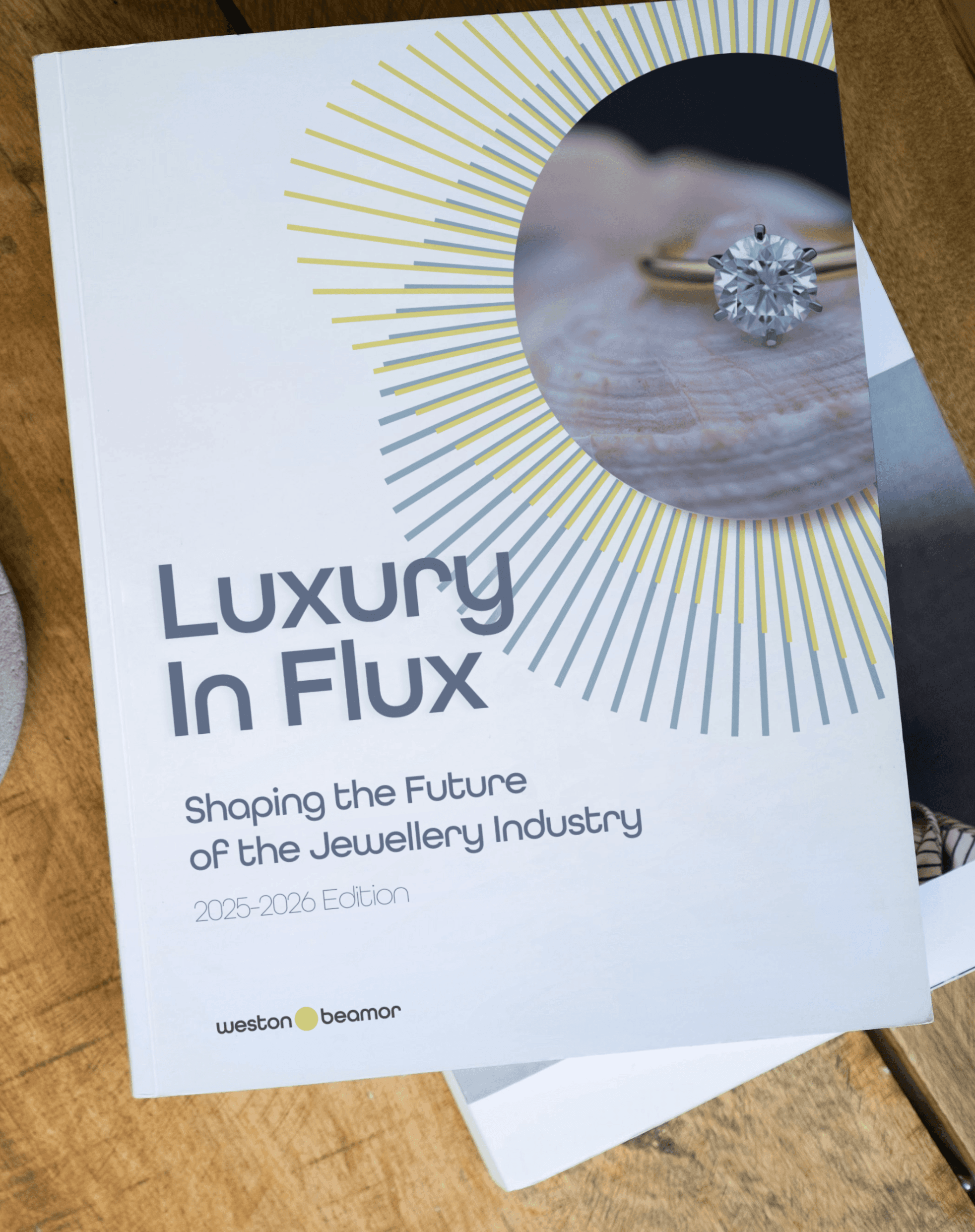
The full Luxury in Flux report covers the digital and DTC landscape in detail, including the data on social commerce, the omnichannel expectations reshaping the trade, and the practical steps to building a digital presence that does more than just sell.
Explore the Luxury in Flux report

Weston Beamor has been casting precious metals since 1947. Working with a broad spectrum of customers for nearly 80 years has made Weston Beamor one of the most respected and trusted names in the jewellery industry. Company Number 00465213