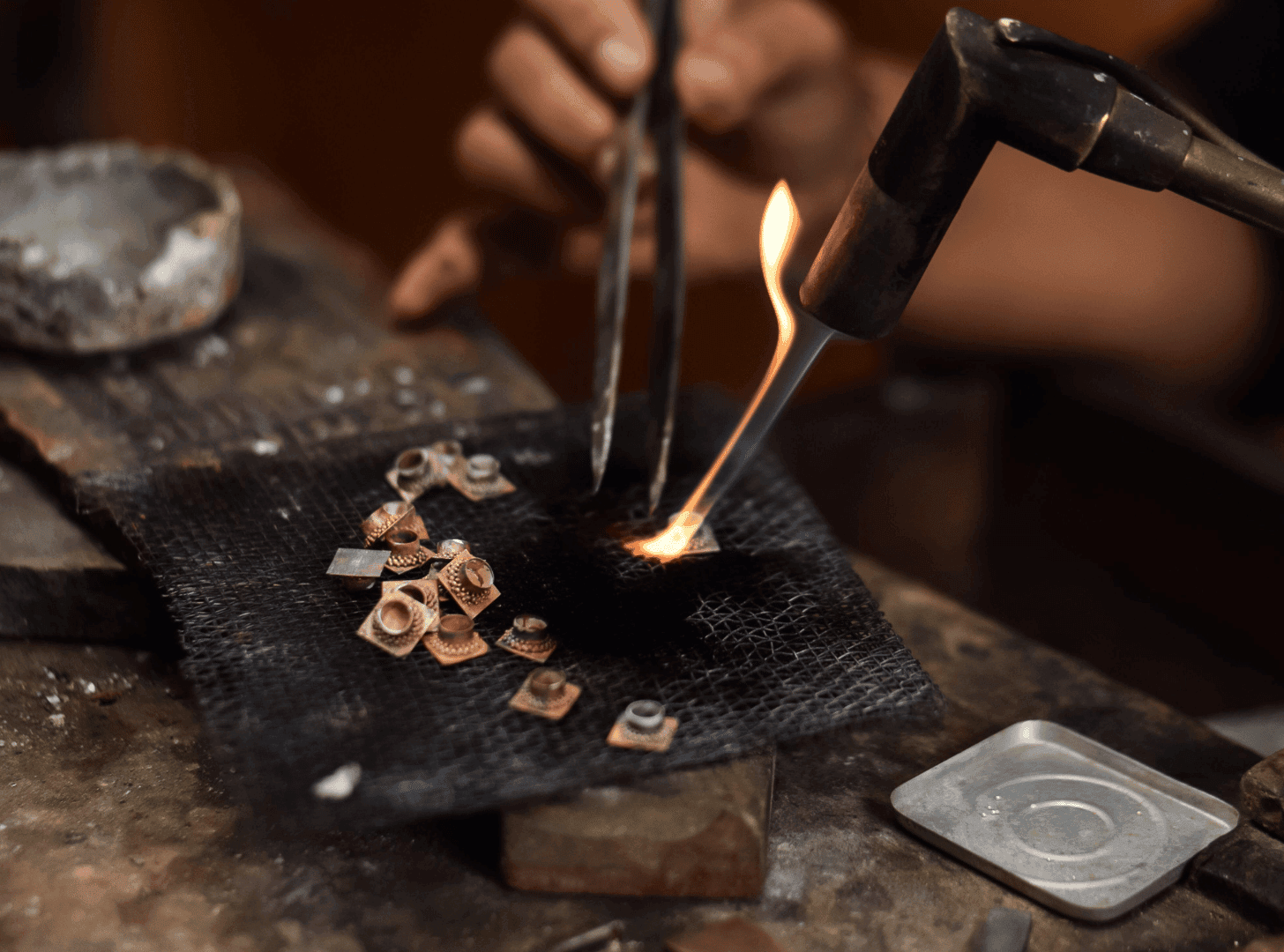
To understand the history of the Jewellery Quarter, you have to look past the historic facades and into the workshops. This isn’t a district built on grand displays; it was built on the practical, steady work of the bench. For over 250 years, this small corner of Birmingham has functioned as a massive, interconnected machine, where the knowledge of one generation is passed down to the next, often across the same wooden worktops.
At Weston Beamor, we have been part of this landscape for over seventy-five years. Our story is inextricably linked to the Quarter’s evolution - from the post-war rise of precious-metal casting to the digital precision of the modern day. We’ve always believed that heritage and innovation aren’t at odds; they are two sides of the same coin, each one strengthening the other to help our customers "make it."
The Birth of the Workshop: 1750 – 1850
In the mid-18th century, Birmingham was a town of "thousand trades," but it was the toy makers who laid the foundation for the history of the Jewellery Quarter. These weren't makers of playthings, but craftsmen of small, intricate metal items - buttons, buckles, and watch chains. They worked out of back-house workshops, often in the gardens of their own homes, creating a dense network of skilled labour that defined the district’s character long before it became a dedicated jewellery hub.
The turning point for the trade came in 1773 with the establishment of the Birmingham Assay Office. Before this, makers faced a dangerous, week-long journey to London or Chester just to have their work hallmarked, risking highway robbery and lost time. The arrival of the "Anchor" mark, Birmingham’s own hallmark, gave the city's jewellers their independence. It was a declaration that the skill found in these streets was equal to any in the world, and it anchored the industry firmly in Midlands soil, sparking a period of rapid expansion.
The Era of the Master-Man and the Architecture of Light
By the mid-19th century, the Quarter had become a world-renowned hub, producing a staggering percentage of the British Empire's jewellery. It was a place of "master-men" - small, independent business owners who were experts in their specific niche, from gold-beating to stone-setting.
The architecture of the Quarter still reflects this history today. Unlike the dark, windowless factories of the Victorian North, the Quarter’s workshops were built with "shopping" (elevated workspaces) at the rear. These featured large, north-facing windows designed to catch every drop of natural light - the essential tool for any diamond setter or engraver. This wasn’t mass production in the anonymous, industrial sense; it was a connected ecosystem. A single piece of jewellery might pass through half a dozen doors - from the caster to the engraver to the polisher - all within a few hundred yards. This spirit of collaboration is what allowed the district to thrive, and continues through Weston Beamor’s comprehensive, end-to-end approach; it was a community where everyone’s success depended on the person at the next bench.
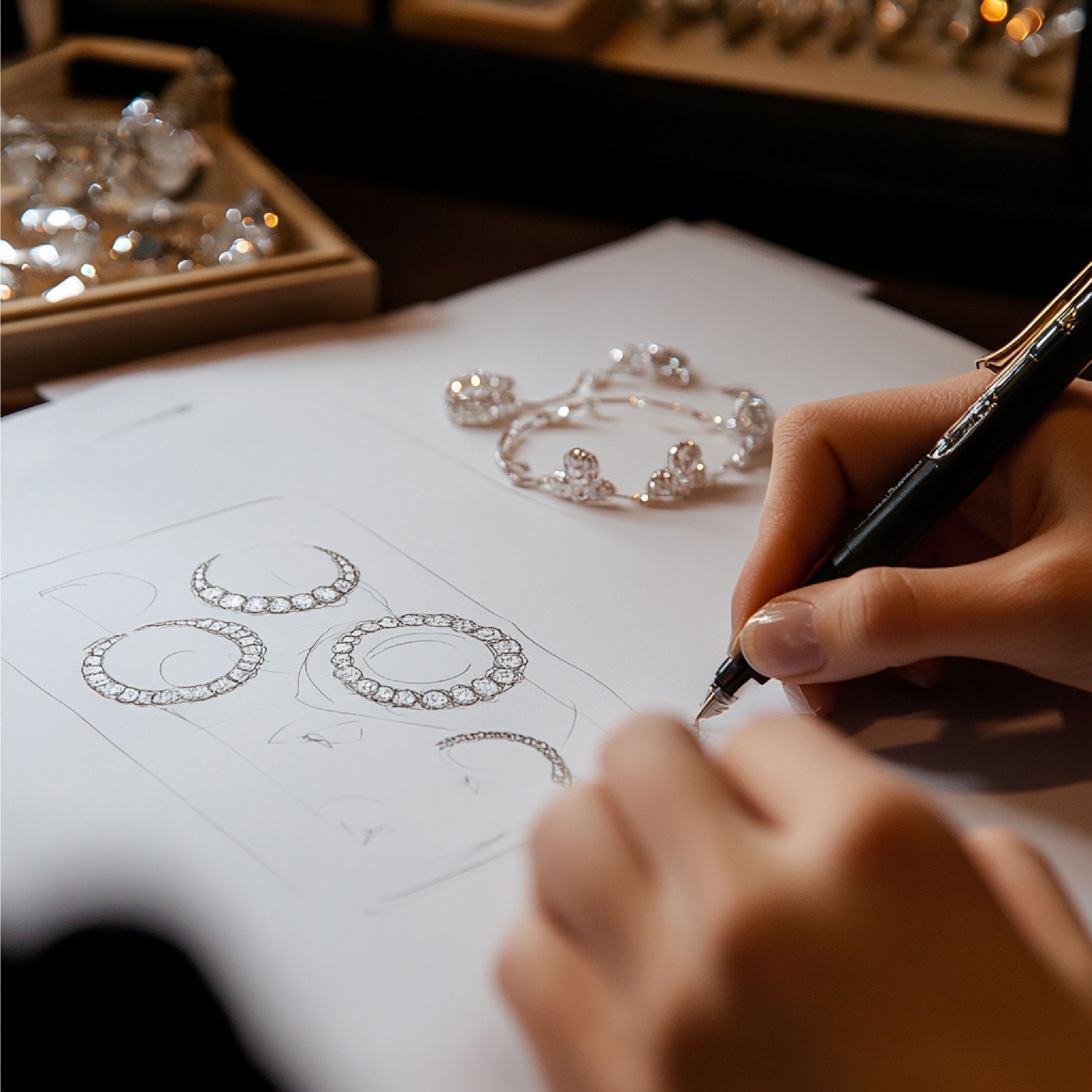
Resilience Through the Centuries: War and Recovery
The 20th century tested the Quarter’s resolve like never before. During both World Wars, the district’s precision skills were diverted toward the war effort. The same hands that set delicate sapphires were suddenly producing munitions components, military insignia, and Spitfire instruments. Many workshops didn't survive the air raids of the Birmingham Blitz, and those that did had to navigate a rapidly changing post-war economy where luxury materials like gold were heavily restricted.
However, the history of the Jewellery Quarter has always been defined by a quiet, stubborn resilience. In the late 1940s and 50s, a new wave of innovation took hold. Traditional methods began to merge with modern manufacturing. It was a period of steady, purposeful progress: refining what worked, improving the tools, and ensuring that the craft could meet the demands of a new generation that valued both quality and efficiency.
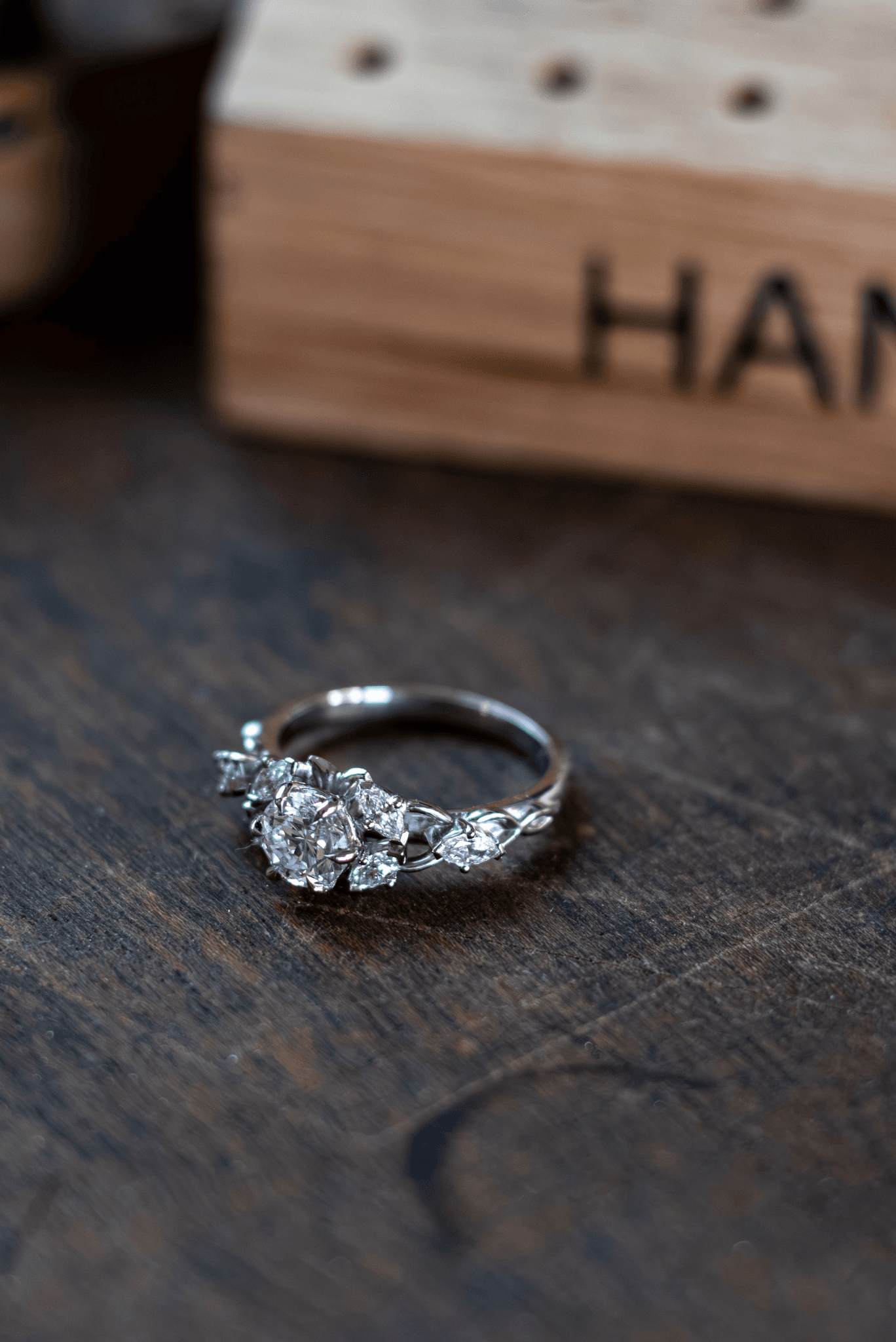
Turning Points: From Anchors to 3D Printing
Looking back at the timeline of the district, several key shifts stand out as the pillars of its success. The 1773 Anchor Mark was the first, providing local makers with the security and speed they needed to grow. By the 1850s, the shift toward light-filled, specialised workshops allowed for a level of intricate handwork that set Birmingham apart globally. Following the recovery of the 1950s, the introduction of advanced casting techniques allowed designers to scale their ideas without losing the fine detail that defines a bespoke piece. Today, that legacy continues through digital integration; technology like 3D wax printing and CAD modelling allows for cleaner finishes and significantly less time spent on manual clean-up at the bench, ensuring the Quarter remains competitive in a global market.
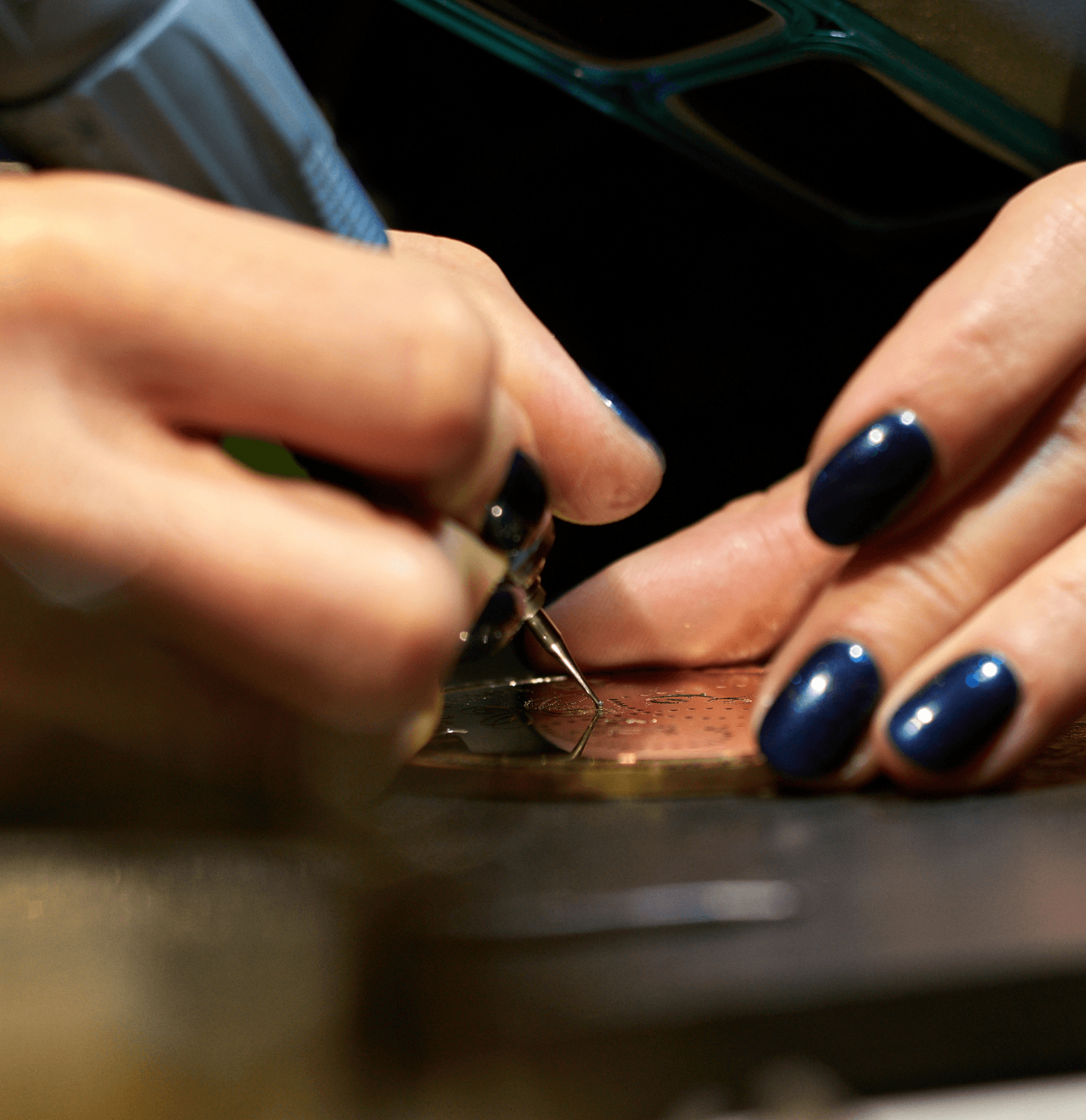
The Modern Craft: Tradition Meets Technology
Today, the Jewellery Quarter is one of the few places in the world where you can still find the entire jewellery lifecycle in one square mile. From the bullion dealers and stone merchants to the high-tech casting houses and hallmarking offices, the district remains a living blueprint of British manufacturing.
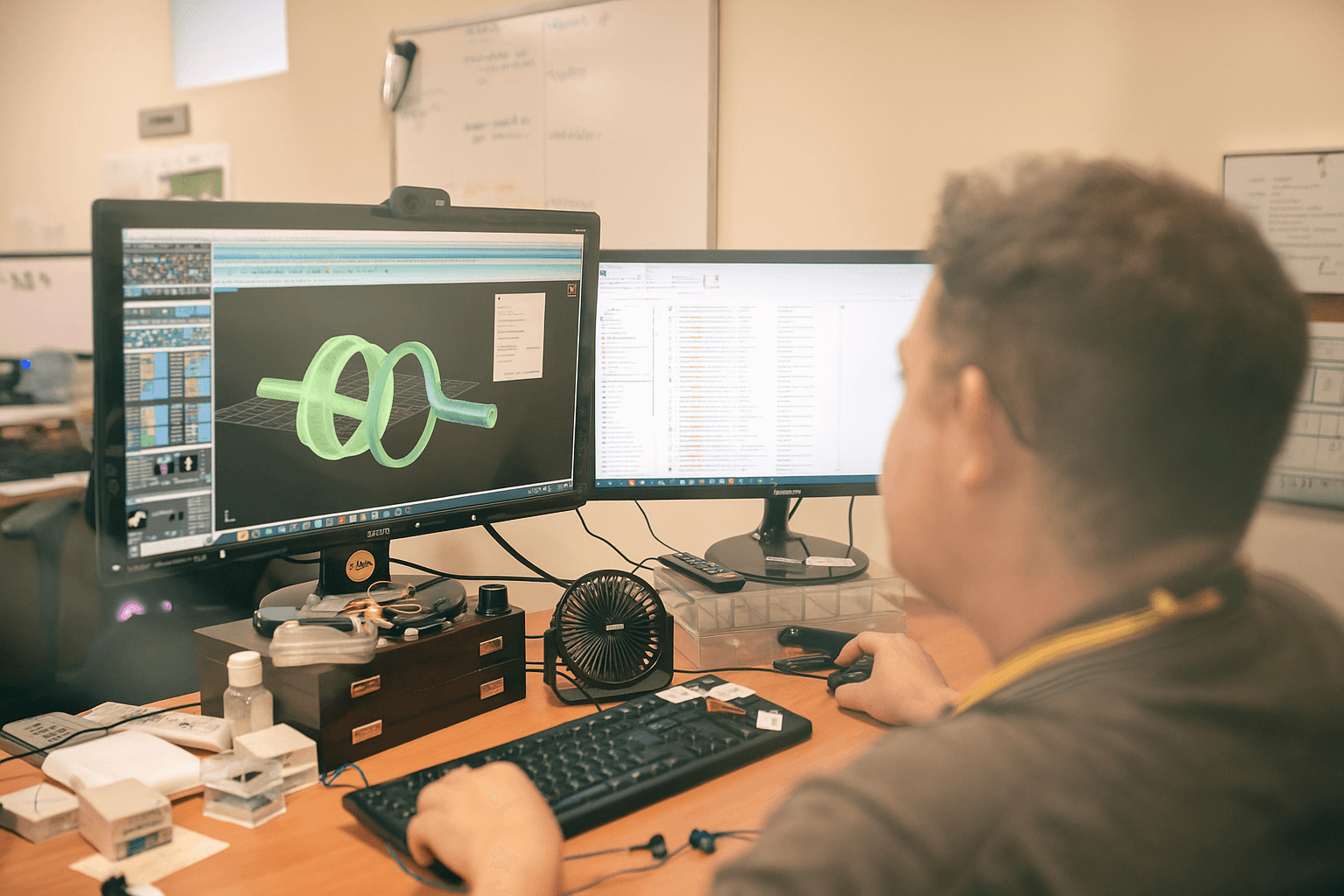
The "innovation" we see today - the 3D scanning, the CAD design, and the digital workflows - is simply the latest chapter in a very old book. The Victorian masters were just as obsessed with precision and efficiency as the makers of today. They sought out the best tools of their time to perfect their curves and secure their settings. The tools have changed, but the intent remains the same: to take a creative vision and make it real, with as much care and as little waste as possible. This fusion of old and new is why the Quarter isn't a museum, but a working, breathing heart of industry.
A Legacy Continued
History isn't just about the past; it’s about how we use that experience to build what comes next. At Weston Beamor, we’ve seen how real progress happens: it builds, one improvement at a time. Whether it was the introduction of pioneering casting techniques in the 1950s or our recent integration of next-generation 3D wax printing, every step has been about making the journey from idea to finished piece smoother for the people who trust us.
Let's Talk
We are proud to be part of the history of the Jewellery Quarter. It is a story of hands, eyes, and experience - of technology serving the craft, not competing with it. As we look toward the future, we remain committed to the same principles that have guided this district for centuries: precision, partnership, and a genuine belief in doing things better.
Whatever the next generation brings, we’ll be here at the bench, helping you make it.

Weston Beamor has been casting precious metals since 1947. Working with a broad spectrum of customers for nearly 80 years has made Weston Beamor one of the most respected and trusted names in the jewellery industry. Company Number 00465213