Wednesday,6 May 2026
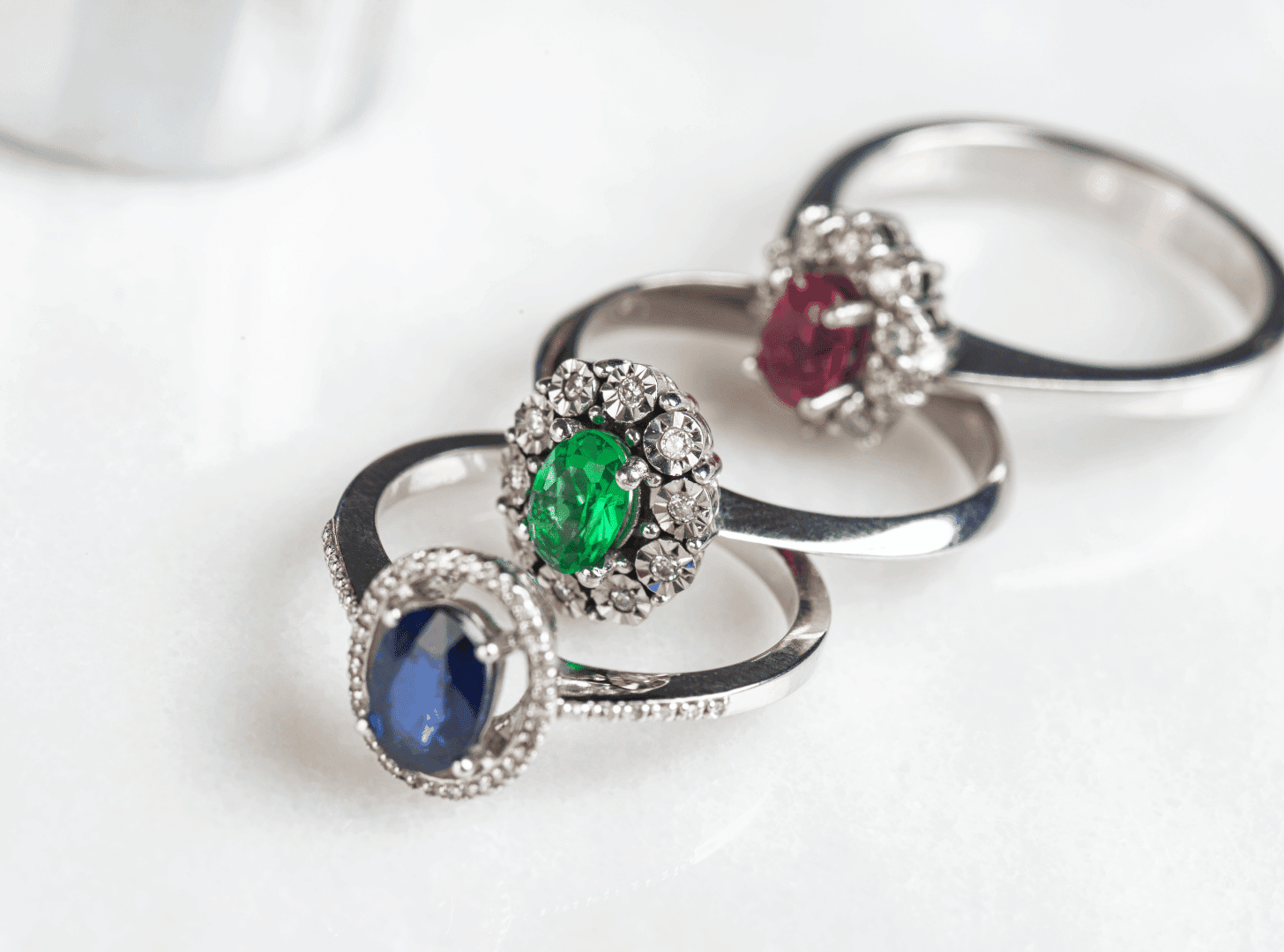
Personalisation has been a trend in jewellery for years, but in 2026 it is shifting away from being an occasional option into becoming a baseline expectation. Here is what our research tells us about what customers are actually asking for, and why the businesses taking it seriously are pulling ahead.
When we asked the UK jewellery trade what their customers cared about most, craftsmanship came first. Personalisation came second. Not sustainability, not price, not speed of delivery. The desire for a piece that feels individual, chosen, and made with intention ranked above almost everything else.
That finding runs through the whole of the Luxury in Flux research, where 77% of respondents said personalisation would be very important for their business in the next twelve months. Similarly, 73.1% described custom and bespoke services as a very important challenge right now, and one in five UK consumers plans to invest in a meaningful or personalised piece in 2026, even while being more careful with money than they were a few years ago.
These are not small numbers. They reflect something genuine about how customers are relating to jewellery right now.
Why personalisation has become the expectation
Jewellery has always carried personal meaning. What has changed is that customers now expect that meaning to be built in from the start, not just added as an afterthought. They want to be involved in the process, they want the piece to reflect who they are, not just what was available.
Part of this is driven by self-gifting. Buying jewellery for yourself, rather than waiting to receive it, is a trend growing across all age groups. The World Gold Council identifies jewellery as one of the leading self-gifting categories, bought as much for personal reassurance and identity as for display. When you are buying for yourself, the bar for how well the piece represents you is naturally higher.
Part of it is also the influence of social media. Customers arrive in stores or land on websites having already seen exactly what they want, often in a screenshot or a saved post. They know the stone shape they prefer, the metal they want, the setting style that appeals to them. The question they are asking has shifted from “what do you have?” to “can you make this for me?”
As one designer/maker respondent to the Luxury in Flux stated, there is a clear “move away from ready-made mounts and more personalised, original pieces.” That is the direction of travel, and the trade knows it.
What personalisation looks like in practice
Personalisation means different things depending on where you sit in the trade.
For retailers, it is increasingly about bespoke commissions, engraving, co-creation, and the ability to offer choices around metal, stone, and setting at the point of sale. One retailer described their biggest opportunity as being able to provide “personalisation at a mass scale.” That is a real challenge: meeting individual customer expectations while keeping the workflow manageable. The businesses doing this well have invested in the processes that make bespoke feel seamless rather than slow.
For designer/makers, personalisation is often more instinctive. Many work primarily to commission, building pieces around a customer’s story, milestone, or aesthetic from the start. What the research reveals is that even within this group, there is room to go further. Storytelling around the piece, where it came from, what inspired it, and how it was made, is still underused as part of the handover experience.
For both groups, digital tools are changing what is possible. Social screenshots can now become CAD models within days. Customers can see their piece before it is made, approve variations, and feel a sense of ownership before anything has been cast. That process, done well, transforms a transaction into an experience worth remembering and sharing.
The milestone opportunity
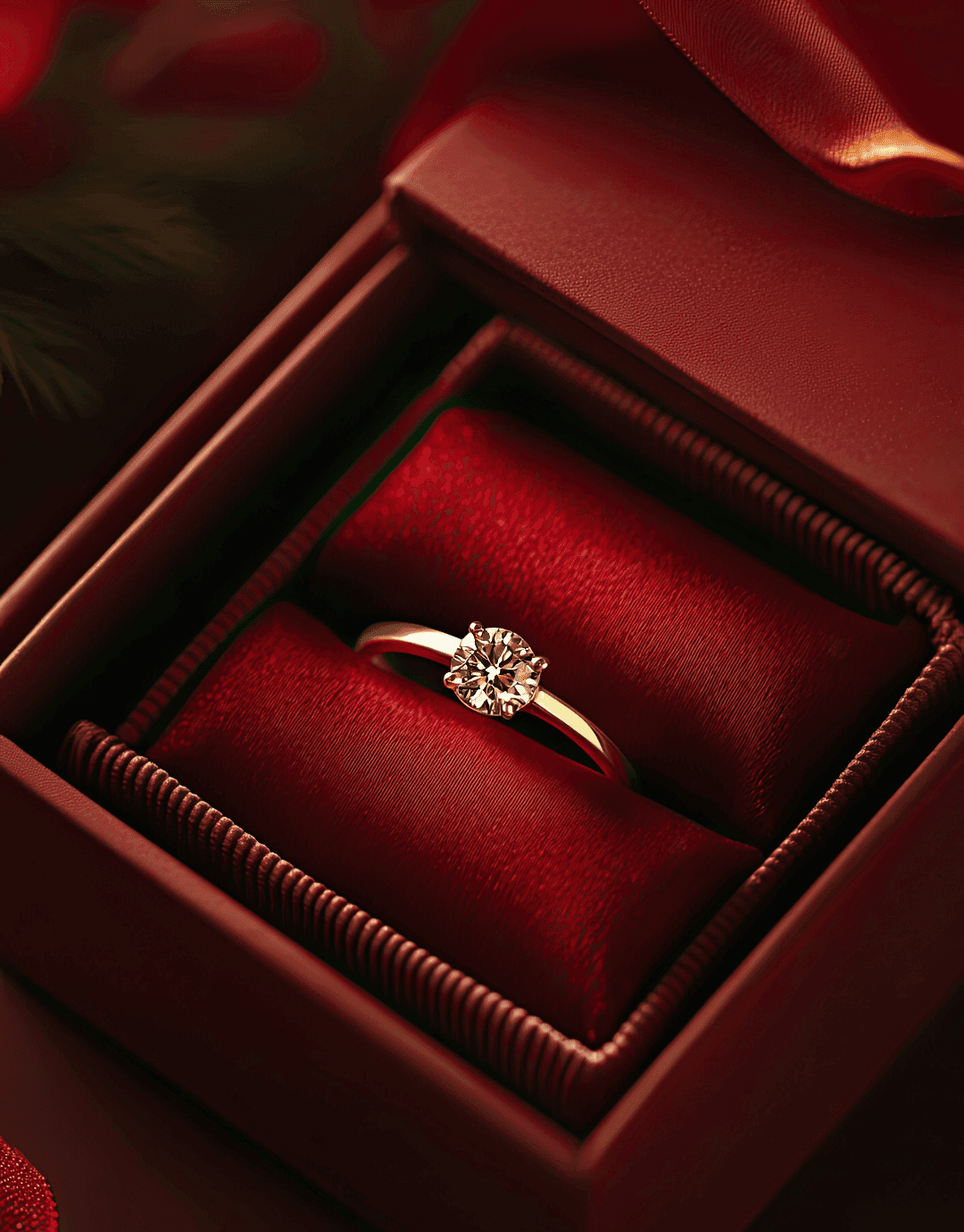
One area where personalisation is particularly strong is milestone purchasing. Engagement rings, anniversary pieces, graduation gifts, and birthday jewellery all carry an expectation that the piece will feel specific to the person receiving it.
The retailers and designers capturing this market most effectively are the ones who have built a conversation around it. They ask questions, they listen, they remember details. One respondent described their biggest success as: “The personal service, design and making process that involves the client.” That involvement is not a luxury add-on. For customers buying at an emotional moment, it is the point.
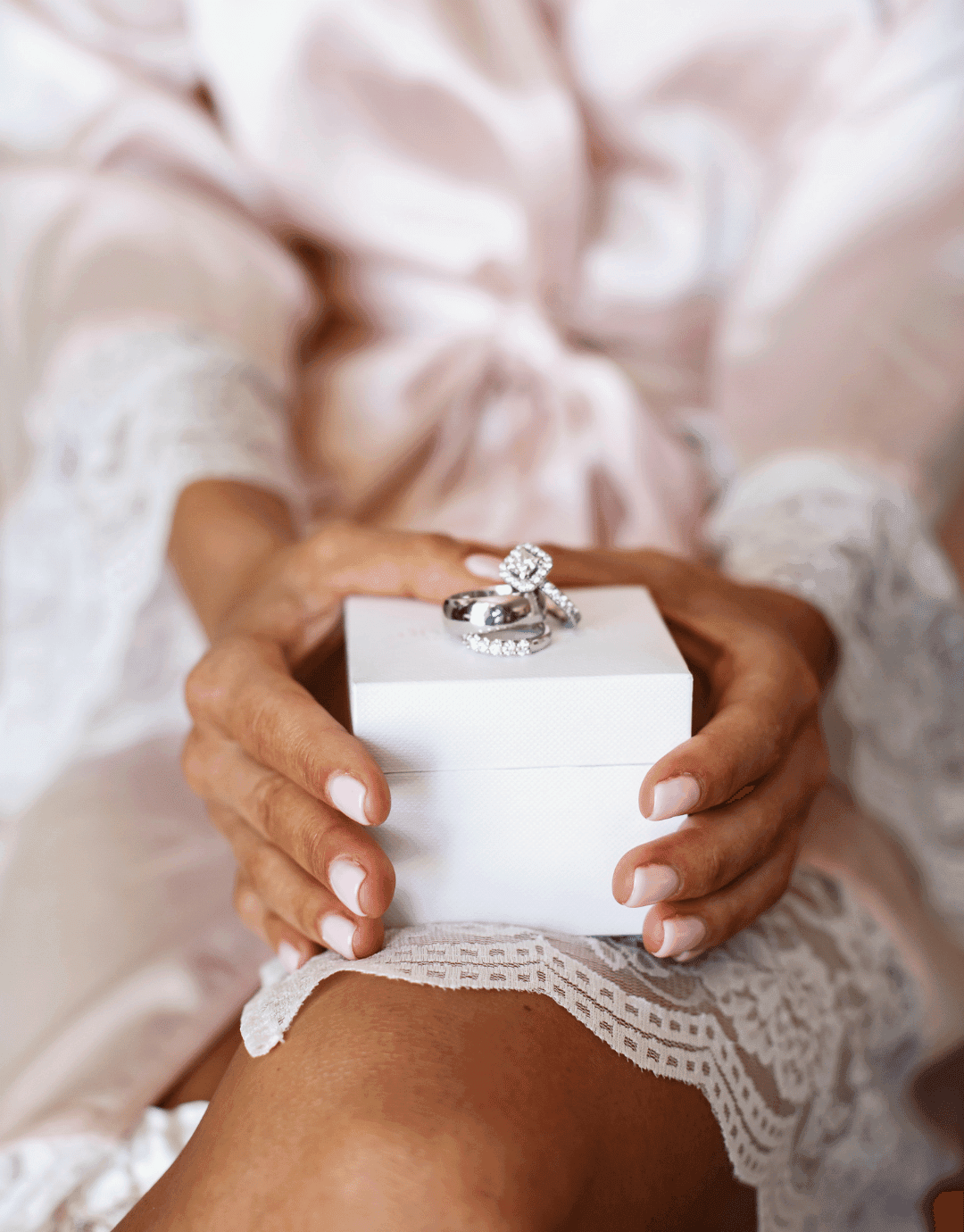
Bridal remains the clearest example. Our research shows over 74% of respondents prioritise personalisation in this context. Shaping a band to sit alongside an existing ring, designing a setting around an heirloom stone, creating CAD visuals that let a couple see their options before committing: each of these is a way of making the customer feel that the piece is genuinely theirs.
The risk of standing still
There is a version of the personalisation conversation that treats it as a nice-to-have, something to offer when asked rather than a core part of how the business presents itself. Our research suggests that position is becoming harder to hold.
Farfetch state that 40% of shoppers see luxury fashion as a means of self-expression, and a 2025 TikTok survey revealed that luxury purchases are no longer about social status but rather taste and self-worth. As such, customers who invest in a piece that reflects their identity are significantly more likely to return when the next milestone arrives.
That last part matters. Personalisation is not only about the object. It is about the relationship between the customer and the person who made it.
The businesses building those relationships are the ones that will find 2026 and beyond more straightforward than those waiting for things to settle back to normal. They will not. The expectation of a piece made with you in mind is where the market has arrived.
Download Your Free 2026 Jewellery Industry Report
The full Luxury in Flux report covers industry sentiment about personalisation in detail, including how different segments of the trade are approaching bespoke services, what customers are asking for at the point of sale, and the practical steps that turn personalisation from a challenge into a commercial strength. Download your free copy today to access insights from your retailer, designer and maker peers across the jewellery industry.

Weston Beamor has been casting precious metals since 1947. Working with a broad spectrum of customers for nearly 80 years has made Weston Beamor one of the most respected and trusted names in the jewellery industry.