Wednesday,6 May 2026
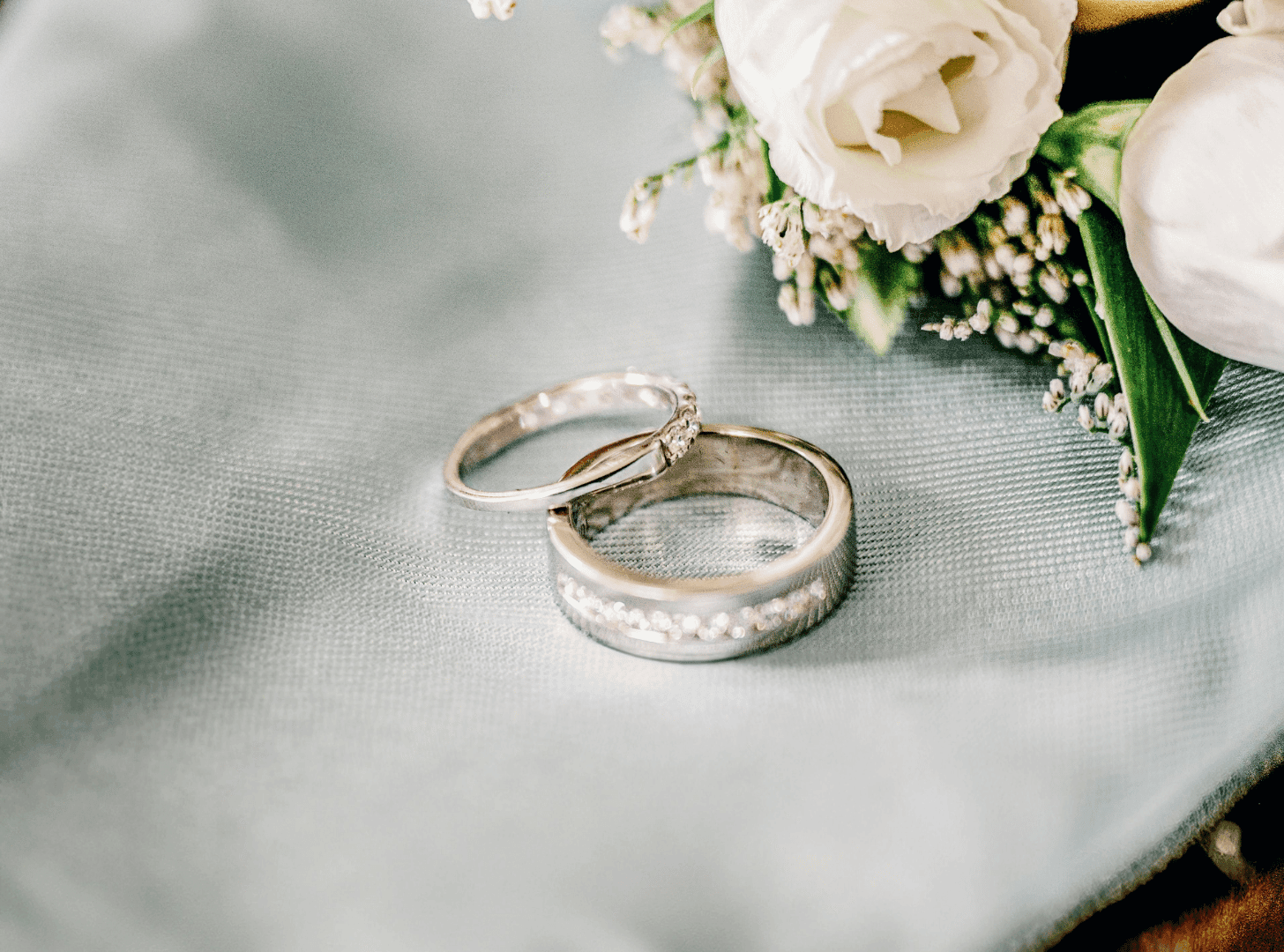
Customers are not just buying jewellery. They are buying meaning, provenance, and connection. The trade knows this, so why is brand storytelling still ranked so low as a priority? Here is what the research shows, and what it is costing businesses that are not taking it seriously.
There is a number in the Luxury in Flux research that is rather striking. 75% of retail customers are more likely to repurchase from brands that personalise experiences through storytelling. That is not a marginal uplift. That is the difference between a customer who comes back and one who does not.
Now here is the number that sits next to it. Only 38.9% of UK jewellery businesses are prioritising story-led branding for the year ahead. Brand story ranks fourth in what businesses think customers care about, behind craftsmanship, personalisation, and price.
That gap is the storytelling gap. And for retailers and designers willing to close it, the commercial opportunity is significant. But what is the storytelling gap, what constitutes convincing storytelling, and how can the jewellery industry truly start crafting stories that sell?
What the trade thinks customers care about
When we asked jewellers to rank what their customers valued most, the results were revealing. Craftsmanship led, which is expected and right. Personalisation followed. Price came third. Brand story and emotional meaning came fourth.
The interesting thing is not the ranking itself. It is what it reveals about where businesses are directing their attention. Retailers in our survey focused heavily on price and speed, whereas designer/makers leaned into personalisation and craft. Both groups placed brand story lower than the evidence suggests it really deserves. Story is how all three of those things get communicated.
“The trade is ready to adapt, but we need to listen more closely to what customers truly seek: connection, authenticity and value.” - Ruth Faulkner, Managing Editor, Retail Jeweller
What customers are actually looking for
The clearest signal in the Luxury in Flux research is this: customers want jewellery that means something, and they want to understand why it means something. That is not the same as wanting a brief product description on material components. It is about wanting to feel connected to the piece, the maker, and the values behind both.
WGSN’s Future Consumer research notes that younger buyers in particular are motivated by belief as much as beauty. They want to know that the brand they are buying from stands for something, that their money is supporting businesses that align with their values. Similarly, 2025 research from Professional Jeweller shows that 80% of Gen Z are ditching fast fashion for timeless jewellery that lasts and means something more to them.

Where the gap is widest
The split in the research falls largely between retailers and designer/makers. Designers are more likely to rate storytelling as very important, seeing it as central to how they create value and build long-term loyalty. Many of their survey responses emphasise provenance, symbolism, and the narratives customers carry away from each piece.
Retailers tell a different story. Nearly one in five of the retailers we surveyed said brand storytelling was not important at all. That is a striking position in a market where customers are increasingly asking not just what a piece costs, but what it represents and where it came from.
It is also a risky one. A customer who cannot find your story online will find someone else’s. One in four UK consumers now buys luxury fashion and beauty directly through social platforms, and discovery happens through content before it happens through product. The brands that show up with a point of view, a voice, and a clear sense of what they stand for are the ones that capture attention.
What good storytelling actually looks like
It is worth being clear that storytelling does not mean writing lengthy copy about your heritage or posting aspirational imagery. The most effective brand storytelling in jewellery tends to be specific, honest, and grounded in something real.
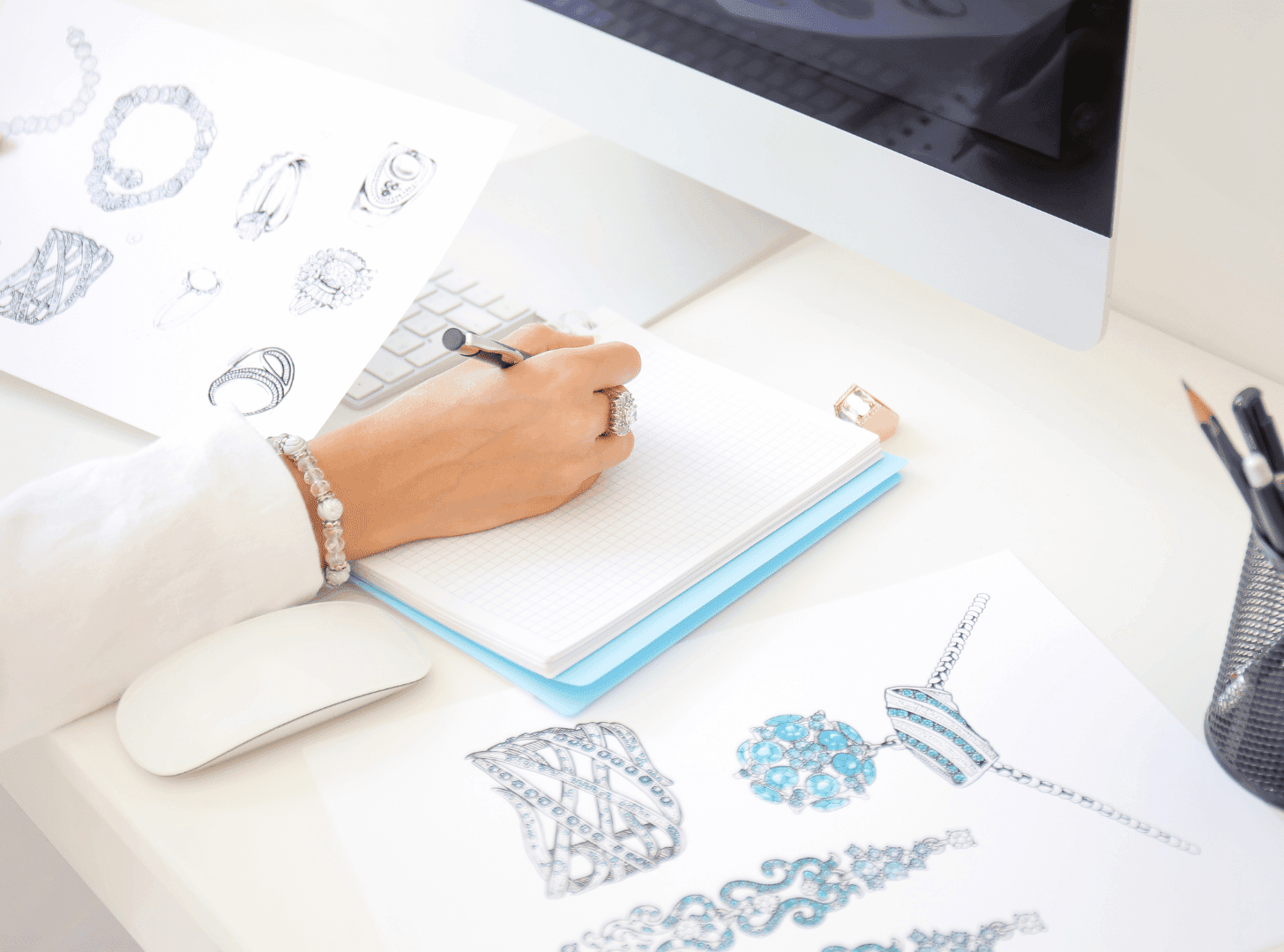
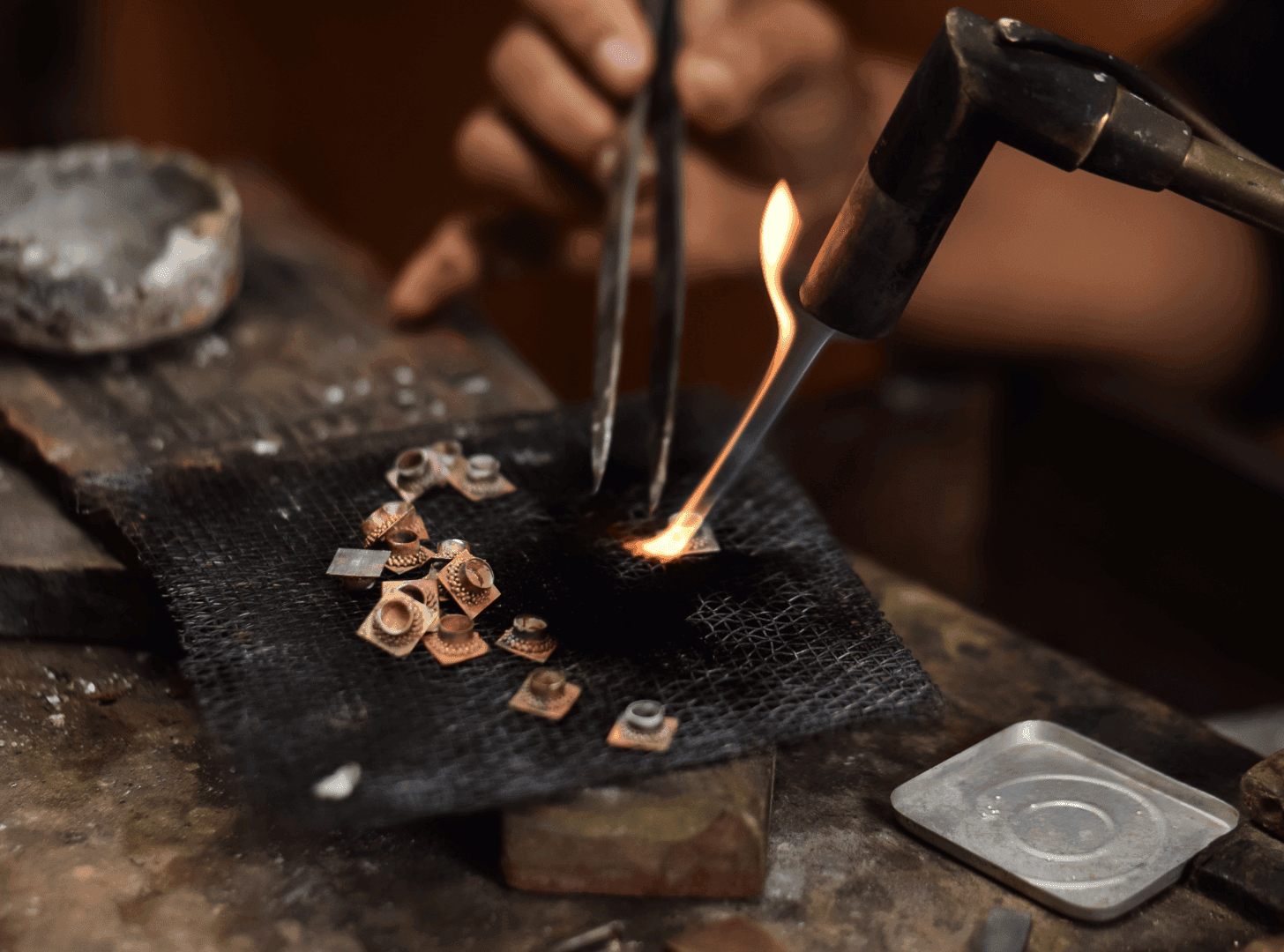
It might be a short video showing how a piece moves from a sketch to a CAD file to a finished casting. It might be a behind-the-scenes post from the workshop that makes the craft visible and tangible. It might be a conversation at the point of sale about the recycled gold in a piece, where it came from and why you chose it. It might be the way a finished piece is handed over, with sourcing notes and care guidance that extend the story beyond the transaction.
Story is not something you add on top of the product. It is what transforms a good product into an unforgettable purchase.
The cost of staying quiet
The businesses that treat storytelling as an optional extra are leaving real value behind. Customers who buy on story are more loyal, more likely to return at the next milestone, and more likely to recommend the brand to others. Customers who buy on price alone will always find someone cheaper. As Ruth Faulkner, Managing Editor at Retail Jeweller, states, “Jewellery is more than a product. It’s a story that resonates”, and the trade broadly agrees with that sentiment in principle. The gap is in the practice.
Closing it does not require a marketing department or a large budget. It requires clarity about what your business stands for, a willingness to share that openly, and the confidence to make every customer interaction part of the story rather than just the transaction.
Where is the jewellery industry moving now?
From the storytelling gap to the experience gap, to innovations and fluctuating industry trends, download the Luxury in Flux guide today for free to explore where the jewellery industry is headed.

Weston Beamor has been casting precious metals since 1947. Working with a broad spectrum of customers for nearly 80 years has made Weston Beamor one of the most respected and trusted names in the jewellery industry. Company Number 00465213