Tuesday,3 February 2026
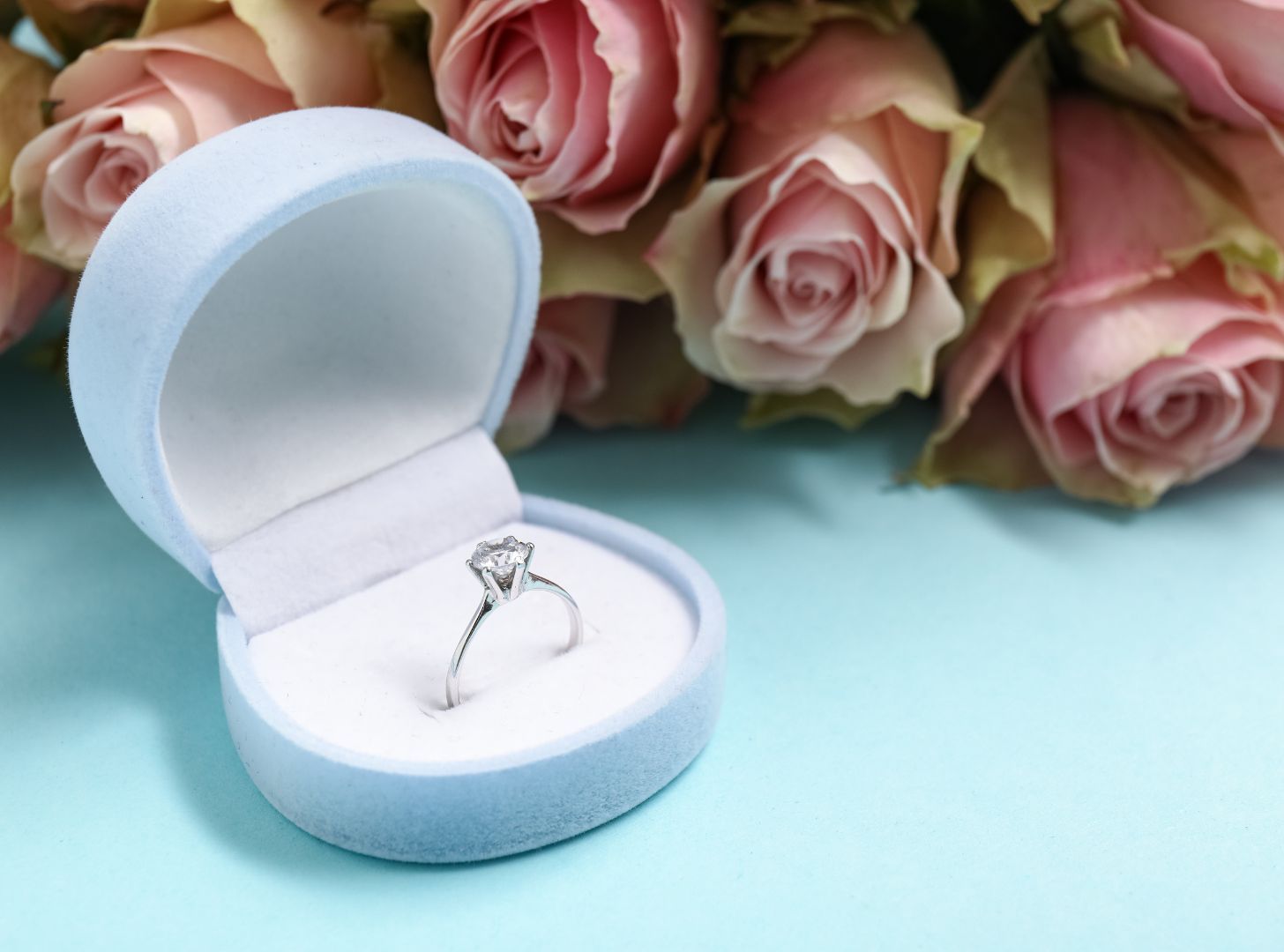
Valentine's jewellery carries weight beyond the occasion. Unlike flowers that fade or chocolates consumed, a carefully crafted piece becomes part of someone's daily life, potentially for decades. For the jewellery trade, the question isn't whether to stock Valentine's jewellery, but rather which pieces will resonate deeply enough with your customers to become genuinely treasured - and generate repeat business.
The Valentine's jewellery market has transformed dramatically in recent years. What was once dominated by predictable heart pendants and generic designs has evolved into something far more sophisticated: thoughtfully commissioned pieces that balance romantic sentiment with genuine personal style. At Weston Beamor, our nearly eight decades in Birmingham's Jewellery Quarter have given us perspective on this evolution, and the shift toward meaningful, bespoke Valentine's jewellery gifts presents significant opportunities for designers creating collections and retailers curating inventory that stands apart from mass-market offerings.
The Valentine's Jewellery Landscape: What the Data Reveals
The numbers tell a compelling story, with the UK jewellery market seeing a significant spike each February, with some research suggesting a 38% increase in sales growth. Recent consumer research indicates that 70% of UK jewellery purchasers now prioritise unique or customised pieces over mass-produced designs for significant occasions like Valentine's Day, creating clear opportunities for designers offering bespoke or semi-custom collections, and retailers who can position themselves as destinations for meaningful, personalised pieces rather than generic gift items. In the same vein, with Valentine’s Day gift spending increasing from 2024-5 by 7.1%, it’s clear that consumers are ready and willing to spend more on something that will truly convey their affections.
One thing is clear in the data - generic Valentine’s Day gifts simply don’t cut it in 2026 and beyond.
What Makes Valentine's Jewellery Gifts Different
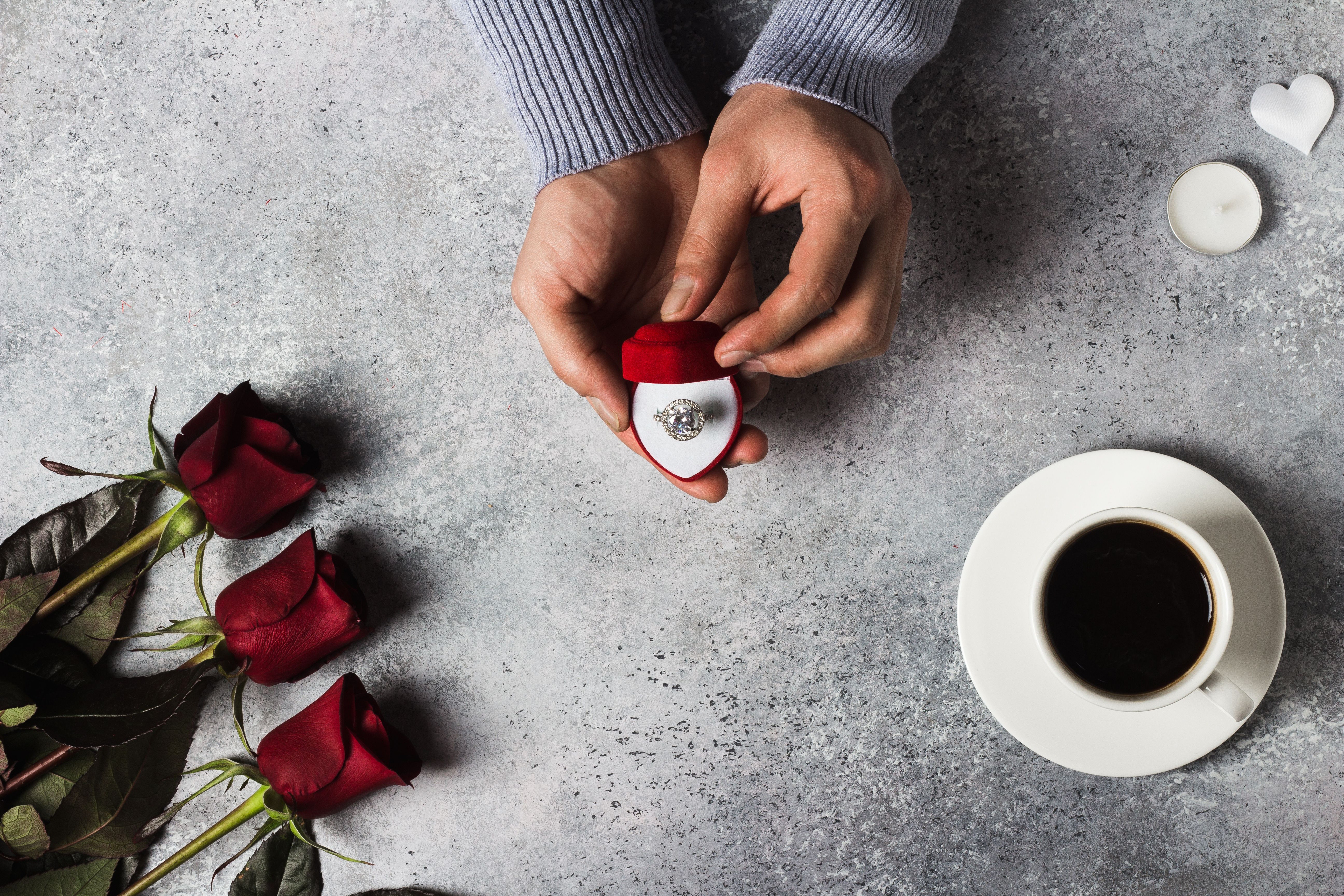
Valentine's jewellery occupies a unique territory. It's more personal than birthday presents, less formal than engagement rings, and carries expectations of thoughtfulness that generic gifts cannot satisfy. Understanding these distinctions helps designers create collections that capture the Valentine's market without competing directly with engagement or everyday jewellery offerings.
Unlike engagement jewellery, which often (but not always!) follows established conventions, Valentine's pieces allow creative freedom, with the most successful Valentine’s jewellery ideas sharing common characteristics worth noting.
Wearability matters fundamentally
Design pieces that integrate seamlessly into daily life - suitable for professional settings and casual weekends alike. Your customers should envision wearing these pieces constantly, not saving them for special occasions.
Scale and proportion require thought.
The trend toward substantial jewellery has influenced Valentine's purchases significantly. Searches for "gold chunky necklace" increased 20% from 2025 to 2026, whilst "dainty gold necklace" searches declined 10%.
Personal details create meaning
Birthstones, engraved coordinates, and symbolic elements - these details transform beautiful objects into narrative pieces. For designers, building customisation options into your collections adds significant value. For retailers, offering engraving services or bespoke consultations differentiates you from competitors selling off-the-shelf pieces.
Trending Valentine’s Jewellery Ideas for 2026
These trends represent genuine market opportunities backed by consumer data, not fleeting fashions. Consider how they might inform your design development or inventory curation:
Colour is everywhere
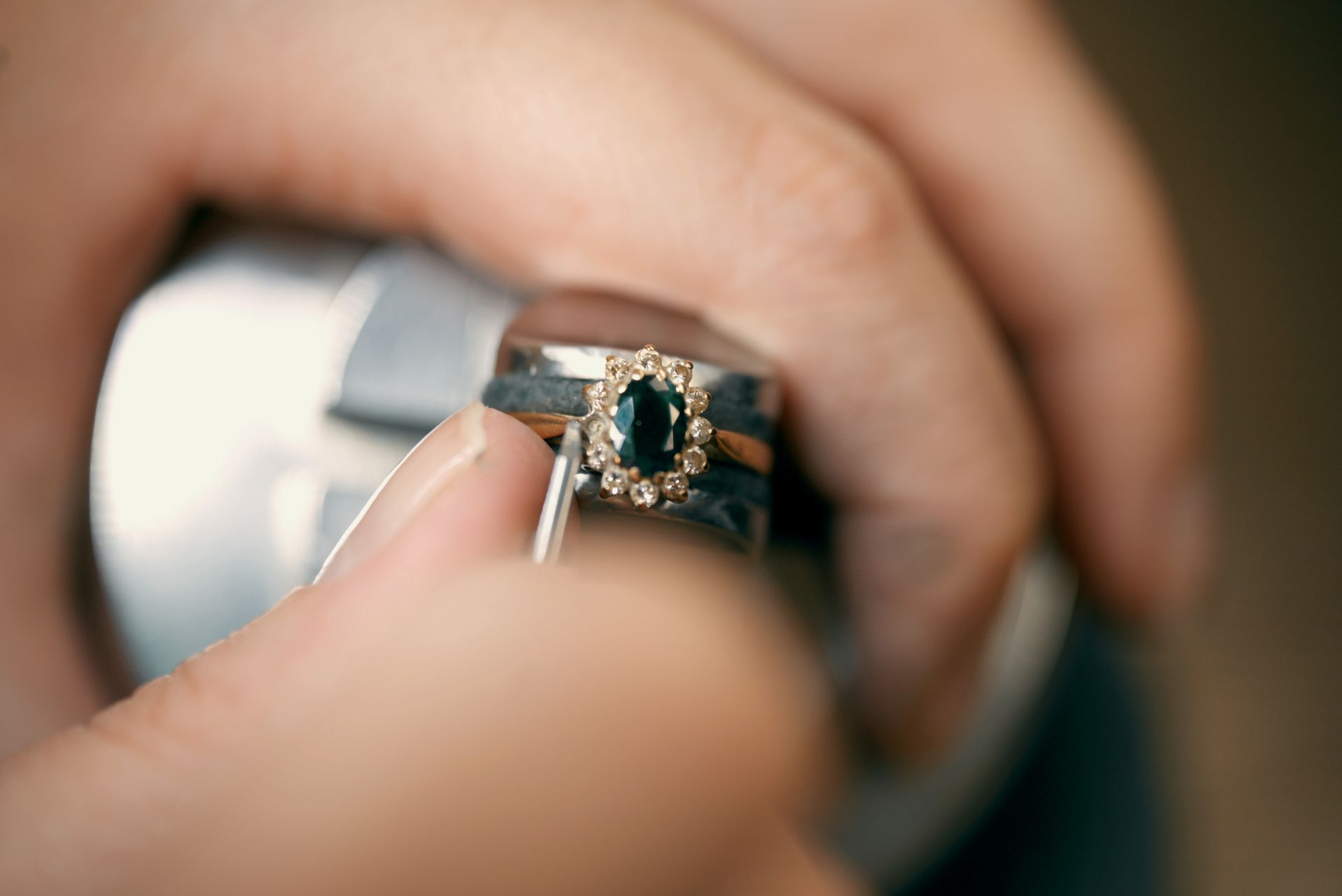
White diamonds are losing their monopoly on romantic jewellery. Sapphires have seen extraordinary growth, with UK searches for "sapphire jewellery", “sapphire rings” and “sapphire earrings” each up 20% year-on-year according to Google Trends. The appeal extends beyond classic blue: teal sapphires, pink sapphires, and peacock tones offer narrative possibilities that diamonds sometimes lack. For designers, incorporating coloured gemstones creates price-point flexibility whilst maintaining luxury positioning. For retailers, coloured stone inventory differentiates your offering and appeals to customers seeking something beyond traditional diamond pieces.
Stacking and layering dominate
Rather than single statement pieces, there's growing enthusiasm for building jewellery collections over time. Valentine's Day becomes an opportunity to add to an existing stack, creating evolving compositions that mark relationship milestones. This trend has significant commercial implications: customers return annually to add to their collections, creating predictable repeat business. Design stackable collections with compatible pieces at various price points to capture both initial purchases and subsequent additions.
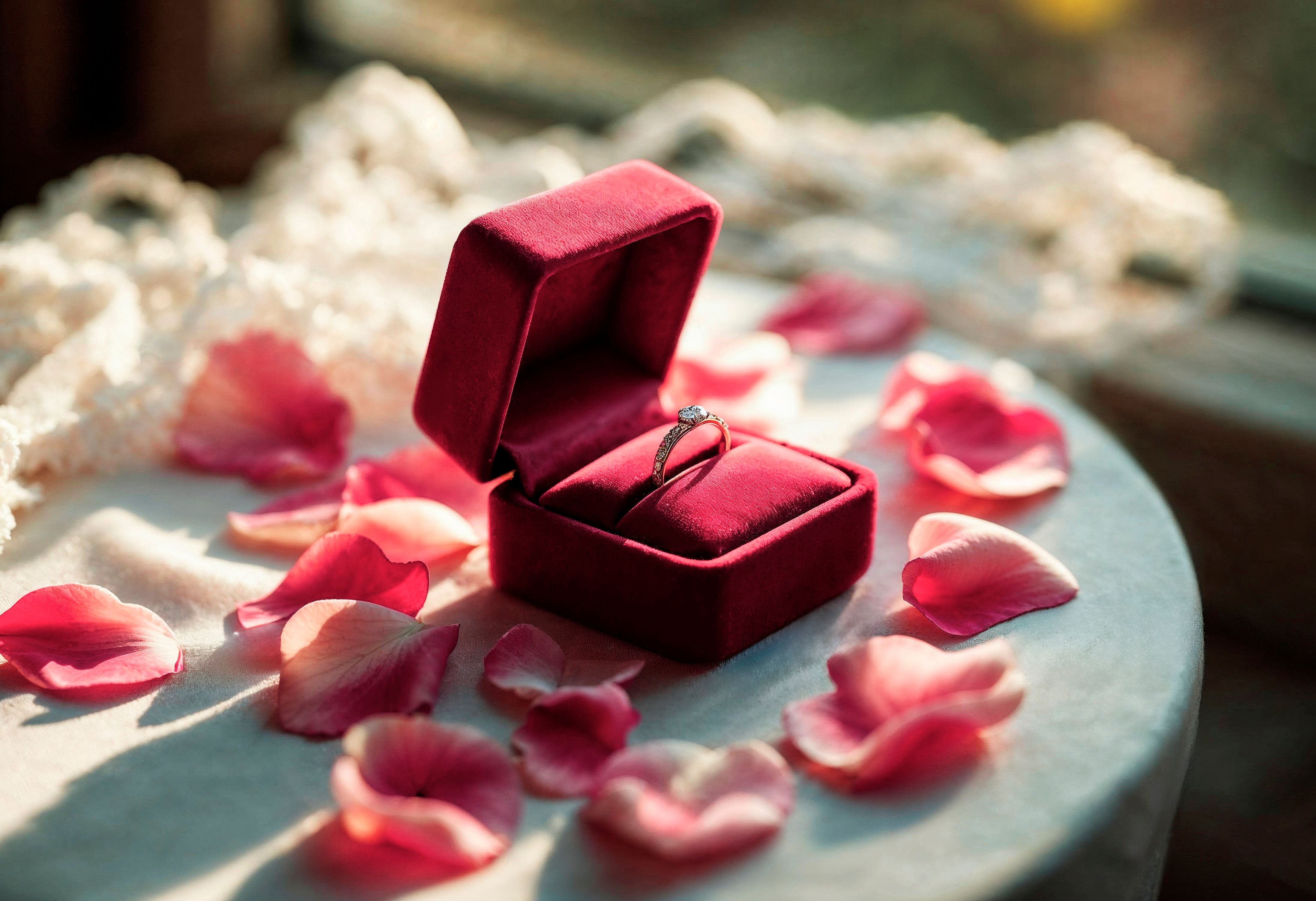
Vintage inspiration meets modern execution
Art Deco geometry, Victorian romance, and Edwardian delicacy are being reinterpreted through contemporary manufacturing techniques. These designs offer the charm of antique pieces whilst avoiding the practical limitations that genuine vintage can present. Modern manufacturing allows you to capture vintage aesthetics without the sizing inconsistencies, worn settings, or ethical ambiguities of genuine antiques, offering customers the best of both worlds.
Sustainable choices matter increasingly
Research from the Ethical Consumer Markets Report indicates that 55% of UK consumers actively seek sustainable options when purchasing jewellery. Lab-grown diamonds are an increasingly popular choice with 29% of Brits claiming they would be likely to purchase jewellery featuring them, whilst recycled precious metals are gaining traction across all age groups. Incorporating sustainable options isn't just ethically sound - it's commercially strategic, particularly if your target demographic skews younger. Clear communication about lab-grown stones and recycled metals can become a competitive advantage.
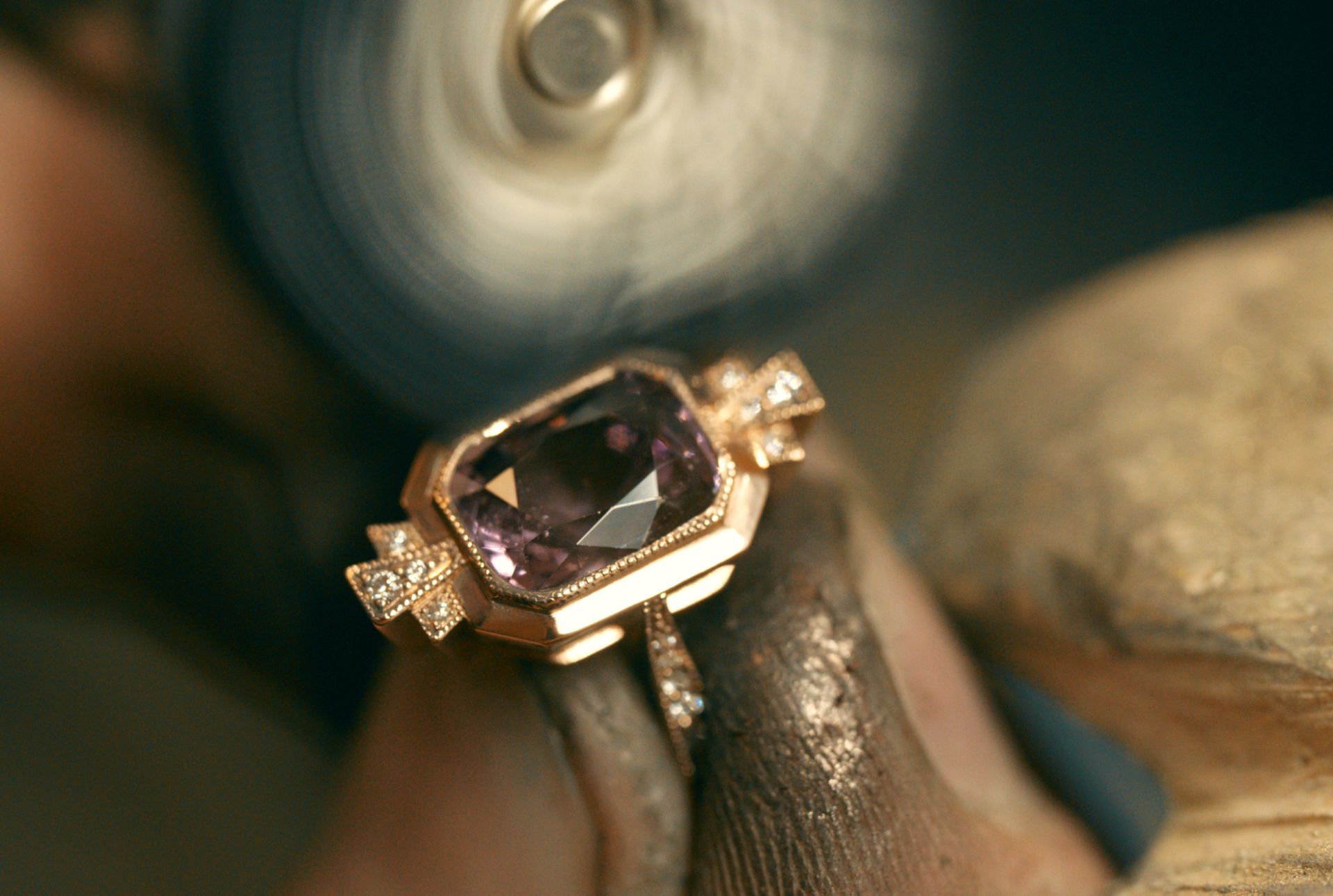
The Technical Journey: From Concept to Completion
Understanding how bespoke Valentine's jewellery actually gets made reveals why some pieces become treasured heirlooms whilst others disappoint within months. The difference rarely comes down to design intent - it's about execution, and specifically about whether the people making your jewellery can actually talk to each other.
Take a sapphire pendant designed for daily wear. The CAD designer needs to think about how the stone sits, how the bail takes the chain's weight, and how the whole thing balances when someone's actually wearing it. But those decisions work best when they happen in conversation with the setter who'll secure that stone, the caster who knows how different metals behave, the finisher who understands which surfaces will hold up to years of contact with skin and clothing. When these specialists work separately - designs emailed between facilities, stones set by subcontractors who never saw the original brief - the details that make something special tend to get lost.
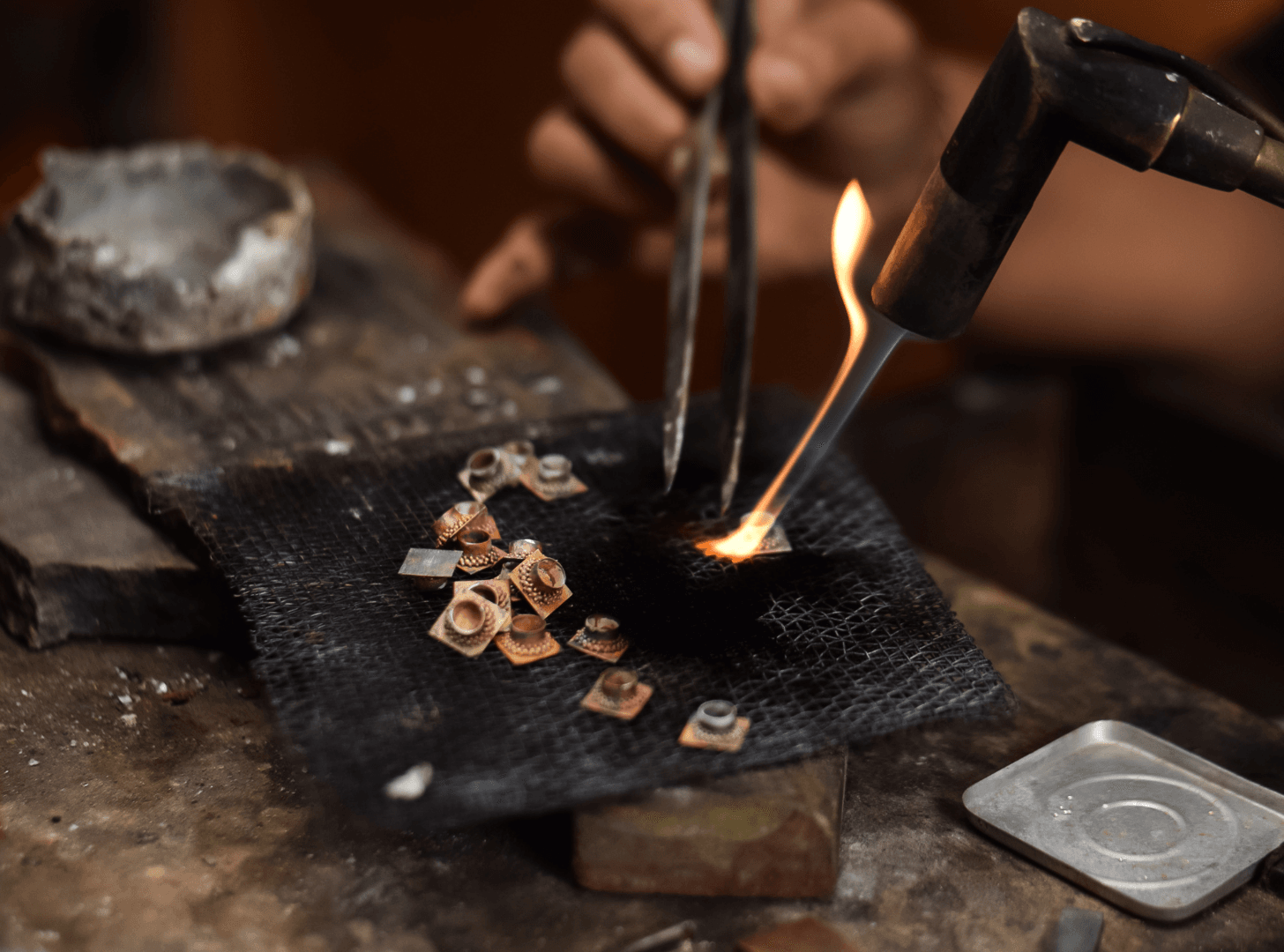
Integrated manufacturing solves this problem quite simply. Your CAD designer walks thirty feet to discuss a setting challenge with the person executing it. Adjustments happen in minutes, not days. The finisher polishing a piece knows what the designer intended with that particular texture, so they enhance it rather than accidentally erasing it. Hallmarking happens on-site rather than adding a week whilst pieces travel to external assay offices.
Birmingham's Jewellery Quarter makes this kind of coordination possible. Over 40% of British jewellery comes from this single square mile, and that concentration means supply chains work efficiently, specialist knowledge gets shared, and problems get solved quickly because someone three streets away has dealt with exactly this issue before. It's not romantic - it's practical. When you've got 250 years of collective problem-solving in one location, Valentine's pieces come out looking beautiful and stay that way through constant wear.
For jewellery meant to last lifetimes, how it gets made matters as much as how it looks. The real question isn't whether each stage happens competently - it's whether those stages connect well enough to preserve what made the piece meaningful in the first place.
Partner with Weston Beamor
For jewellery designers, retailers, and businesses seeking a manufacturing partner who can execute Valentine's jewellery from initial concept through final hallmarking, Weston Beamor offers comprehensive capabilities refined across 78 years in Birmingham's Jewellery Quarter.
Our end-to-end service encompasses the complete manufacturing journey: CAD design that balances aesthetic vision with practical reality, 3D printing for rapid prototyping, precision casting in all precious metals, expert stone setting, finishing to exacting standards, and hallmarking by the Birmingham Assay Office that certifies quality and authenticity.
Whether you're developing a Valentine's collection, seeking a manufacturing partner for bespoke client commissions, or looking to translate design concepts into finished pieces, our integrated approach ensures quality, consistency, and delivery timelines you can rely on.
We work with designers and retailers across the UK and internationally, providing manufacturing support that lets you focus on creativity and customer relationships whilst we handle the technical execution. From single bespoke pieces to production runs, our team brings manufacturing knowledge and craftsmanship capability that turns ideas into heirlooms.
Contact Weston Beamor to discuss your Valentine's jewellery requirements, explore our capabilities, or learn how our manufacturing expertise can support your business. Because jewellery that's meant to last lifetimes deserves manufacturing that understands what that commitment requires.

Weston Beamor has been casting precious metals since 1947. Working with a broad spectrum of customers for nearly 80 years has made Weston Beamor one of the most respected and trusted names in the jewellery industry. Company Number 00465213